

How Older Adults Can Build a Safe and Effective Daily Walking Routine

Staying active is one of the most important components of healthy aging, yet for many older adults, the idea of beginning a new fitness regimen can feel intimidating. However, protecting your cardiovascular health, maintaining joint mobility, and preserving your independence does not require intense gym sessions or grueling marathons. Simply building a safe and effective daily walking routine is one of the best ways to support your physical and mental well-being over time. Many people mistakenly believe they must hit a strict ten thousand steps a day to see results. Recent clinical data actually indicates that the optimal threshold for maximum heart health benefits in adults over fifty-five lies between six thousand and nine thousand daily steps. Even if you are just starting out, taking small, deliberate steps toward a more active lifestyle can yield remarkable results, especially when supported by community programs that teach seniors to safely incorporate low-impact exercise into their daily lives.
The Physical and Mental Rewards of Walking
Establishing a regular walking habit does more than just get you out of the house. It actively builds a sturdy foundation for long-term independence. The medical community widely supports these findings, emphasizing that movement is medicine. According to the National Institute on Aging, regular routines provide immense health benefits of exercise and physical activity by protecting against osteoporosis, age-related muscle loss, and severe cardiovascular issues.
A recent study published in the British Journal of Sports Medicine further highlighted that older adults who achieve just four thousand steps a day on one or two days a week can reduce their risk of cardiovascular disease and early mortality by roughly a quarter. Beyond the physical advantages, getting outdoors for a daily walk also boosts mood, reduces symptoms of depression, and helps keep the mind sharp as we age. Exposure to natural sunlight helps regulate sleep patterns, while the simple act of navigating different terrains stimulates cognitive function.
Choosing the Right Gear for Joint Support
While walking is highly beneficial, safety must always be a top priority for older adults. According to the Centers for Disease Control and Prevention, millions of older Americans report falling each year, leading to surging health care costs. This underscores the urgent need for preventative mobility habits, as the fear of falling or experiencing joint pain often prevents seniors from exploring the outdoors. One excellent way to reduce joint fatigue and prevent missteps is to utilize a modern mobility aid. Many active adults choose to invest in lightweight walking canes to improve their balance and confidence outdoors.
Biomechanically, utilizing a supportive device allows you to transfer up to twenty-five percent of your body weight through your hand and arm. This drastically reduces the impact forces on vulnerable knee, hip, and ankle joints. Modern carbon fiber walking sticks are especially popular because they typically weigh less than a pound. Despite their incredibly low weight, they provide subtle shock-absorbing properties that help minimize joint stress when navigating hard or uneven outdoor surfaces. Paired with a good set of ergonomic walking shoes, the right mobility aid ensures you can walk longer distances without unnecessary pain.
How to Build Your Routine Safely
Starting a new habit requires consistency, patience, and a focus on safety. Once you have the right footwear and support gear, it is time to map out your strategy. When starting out, investing in wearable health tech empowering seniors to take control of their wellness can be an excellent way to monitor vital signs and track your daily steps without guesswork.
To build a walking routine that lasts and keeps you safe from injury, consider following these simple guidelines:
- Start with short sessions: If you are traditionally inactive, taking continuous ten to fifteen-minute walks provides significantly better cardiovascular protection against heart attacks than accumulating the same number of steps in fragmented bouts of under five minutes.
- Focus on your posture: Proper use of an ergonomically sized cane actively improves your walking posture. Standing tall and keeping your gaze forward while you walk helps prevent the onset of lower back pain during extended cardiovascular routines.
- Gradually increase your pace: Research demonstrates that older adults who actively increase their walking pace by just fourteen steps per minute significantly improve their long-term physical function and lower their risk of age-related decline.
- Stay hydrated and stretch: Always drink plenty of water before and after your walk, even in cooler weather. Gentle calf and hamstring stretches will keep your muscles loose, flexible, and ready for the next day of activity.
Taking charge of your mobility is an empowering step toward active aging. By utilizing the right tools, setting realistic goals, and tracking your progress safely, you can enjoy the fresh air and transform your cardiovascular health one step at a time. With patience and consistency, your daily walk will quickly become a cherished part of your everyday routine.
Similar Articles

A beautiful building tells you nothing about recovery outcomes. When you tour a Private Luxury Rehab in Los Angeles, comfort is often presented before clinical care, and families may pay a deposit before asking a single hard question.

Most advice about emotions assumes the hard part is identifying them.

Healthcare is built around people, but providing good care also depends on how well an organization manages the many tasks happening around each patient.

We live in an era where restorative rest is increasingly difficult to achieve. The relentless pace of contemporary work environments leaves little room for mental decompression.

Look up almost any doctor before an appointment, which is what the majority of patients now do, a

Endoscopy is a minimally invasive medical procedure that enables healthcare professionals to examine the internal organs and body cavities using a thin, flexible instrument called an endoscope.
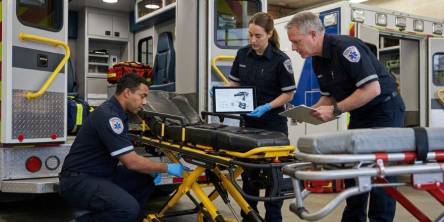
Learn how to choose the right ambulance stretcher for your fleet in 2026 by comparing safety, durability, mobility, comfort, and key features.

Look at how people around you actually watch things. Captions on. Not in a noisy train carriage, not in a shared flat at midnight, but at home, alone, on a good television, by people whose hearing is fine.

Finding the right medical daycare involves more than choosing whichever center is closest to home.