

How Network Monitoring Supports Cloud Systems

Cloud infrastructure gives businesses flexibility, speed, and scale, but it also adds new challenges. When something goes wrong, it’s not always easy to see where the problem starts. That’s why network monitoring plays such an important role. It helps you track performance, spot issues early, and keep systems running without interruption. With clear insight into your network, you can avoid downtime, protect user experience, and support steady growth. In this blog, we’ll explain how network monitoring powers your cloud infrastructure and why it’s essential for keeping your cloud environment reliable and efficient.
Why Network Monitoring Matters So Much in Today's Cloud World
Network monitoring for cloud has evolved way beyond simple uptime checks, it's now the backbone of operational excellence when you're running distributed systems. Without proper visibility into what's happening across your environment, you're essentially flying blind while issues silently chip away at performance.
Security worries have exploded alongside cloud adoption. The fact that 22% of business professionals voicing it as a significant concern tells you everything about how widespread these fears have become. And honestly? That anxiety makes perfect sense. Cloud platforms face distinct vulnerabilities that require your constant attention.
Getting Performance Right Through Always-On Visibility
Watching your cloud infrastructure continuously lets you catch bottlenecks before your users ever notice them. You'll see when resource usage spikes unexpectedly, when latency creeps up between regions, or when traffic patterns start looking concerning. Companies that deploy robust network monitoring solutions can pinpoint performance problems as they develop, which means your team troubleshoots issues before they become outages. The result? Less downtime and applications that stay responsive even when demand surges.
Catching Security Threats and Stopping Them Fast
Anomaly detection in real-time becomes your security perimeter. Modern monitoring flags weird traffic that might signal DDoS attacks, someone trying to break in, or sensitive data leaving your environment. Staying compliant gets a whole lot easier when you've got continuous eyes on network behavior, suddenly those regulatory audits don't seem quite so intimidating.
Keeping Cloud Costs Under Control
Tracking bandwidth usage prevents the costly trap of provisioning way more resources than you actually need. You'll uncover instances sitting idle, spot services that barely get touched, and study traffic patterns to scale intelligently. Chargeback features let you pin costs to specific departments accurately, transforming cloud spending from guesswork into something you can actually manage.
The Real Advantages Network Monitoring Brings to Cloud Environments
Monitoring solves operational headaches, sure. But the benefits of network monitoring in cloud settings reach much further than basic oversight. These capabilities create genuine competitive edges that impact your financial performance.
Stronger System Reliability and Better Uptime
Spotting problems early stops them from turning into full-blown service failures. Automated failover ensures your backup systems kick in precisely when needed. Multi-region availability checks confirm your disaster recovery actually works like you planned. SLA compliance tracking hands you proof that you're delivering on customer promises.
Faster Troubleshooting and Getting to the Root Cause
Tracing transactions end-to-end across microservices cuts your resolution time dramatically. When something breaks, dependency maps show you exactly where failure happened in complicated architectures. Looking at historical data uncovers patterns that help you anticipate what might go wrong next. Compared to the monitoring system Pingmesh, LMon generates only one-third probes while maintaining 99% accuracy and 1% false negatives . That's how efficient the latest monitoring technology has become.
The Essential Tools and Tech for Cloud Network Monitoring
Understanding what monitoring accomplishes is important, but knowing which cloud network monitoring tools actually deliver these capabilities is where rubber meets road. Different technologies fit different pieces of your monitoring puzzle.
Choosing Between Agent-Based and Agentless Approaches
Agent-based monitoring digs deep but needs installation on every host. Agentless monitoring works beautifully for containerized workloads where dropping agents on everything would be a nightmare. Most companies find success with hybrid strategies that use both methods depending on what they're monitoring.
Smart Practices for Cloud Network Monitoring
Network monitoring best practices for cloud environments help you get maximum value from monitoring while sidestepping common mistakes. Success comes down to thoughtful setup and ongoing refinement.
Building Complete Monitoring Coverage
Identify the critical metrics and KPIs for cloud system performance monitoring that connect to your business goals. Set up monitoring zones covering all your cloud regions. Track both north-south traffic (users connecting to cloud) and east-west traffic (services talking to each other). Application-aware monitoring ensures you're measuring things that actually affect user experience.
Setting Up Smart Alerting
Prioritizing alerts prevents the notification overload that makes teams ignore warnings. Context-rich notifications give responders the information they need immediately. Escalation policies make sure the right expertise gets pulled in at the right moment.
Connecting with Cloud-Native Services
Integrating CloudWatch, Azure Monitor, and GCP Operations creates a single pane of glass. Kubernetes monitoring keeps tabs on container orchestration health. Tracking serverless function performance means even short-lived workloads stay visible.
Tackling Cloud-Specific Monitoring Obstacles
Cloud platforms throw up unique challenges that traditional data centers never had to deal with. Recognizing these hurdles keeps your monitoring strategy effective as your infrastructure grows and changes.
Handling Infrastructure That Never Sits Still
Monitoring environments that auto-scale requires tools flexible enough for constantly shifting topologies. Container lifecycle tracking becomes critical when workloads exist for minutes instead of months. Dynamic IP management and tag-based resource monitoring maintain visibility despite continuous infrastructure changes.
Managing Massive Data Volumes
Sampling strategies cut costs in high-traffic situations without creating blind spots. Real-time stream processing handles network data at the speeds cloud generates it. Intelligent filtering means you're only storing information that matters.
Your Cloud Network Monitoring Questions Answered
How is networking used in cloud computing?
In a cloud environment, a network typically consists of several interconnected virtual machines (VMs) or instances that are hosted on various physical servers within a data center. These instances can communicate with each other over a virtual network created and managed by the cloud provider.
Why is monitoring important in cloud computing?
Cloud monitoring tools help to identify minor and large-scale hardware failures and security gaps so that developers and administrators can take corrective action before problems affect user experiences.
What's the difference between traditional and cloud network monitoring?
Cloud monitoring must handle dynamic, ephemeral infrastructure where resources constantly spin up and down. Traditional monitoring assumes relatively static infrastructure with predictable IP addresses and configurations.
Getting Real Visibility Into Your Cloud
Network monitoring changes cloud infrastructure from an opaque black box into something transparent and controllable. The performance gains, security improvements, and cost reductions it creates aren't nice-to-have features, they're essentials for running dependable cloud operations. Companies that roll out comprehensive monitoring develop genuine confidence in their infrastructure, cut downtime significantly, and optimize how they spend. Don't wait for a disaster to expose the visibility gaps in your environment. Begin by evaluating your current monitoring coverage and pinpointing the critical blind spots that threaten your cloud systems.
Similar Articles

The harsh reality in the IT team is that the leadership wants you to support double the users, triple the devices, and meet tighter SLAs all without adding headcount.

Here's something that keeps CFOs up at night: one successful cyberattack can evaporate your quarterly profits before lunch.

SSH has become one of the most trusted protocols for accessing remote Linux servers and devices due to its sensitivity in maintaining the security of connections and information. In the meantime, PuTTY, as a popular and lightweight SSH client, allows you to manage servers and execute remote commands via the SSH protocol.

Network security monitoring is one of the most essential aspects of IT setup integrity and safety. Given the extremely high cost of a potential data breach, investing in robust security measures is essential for any business.

One essentially cannot exaggerate the significance of data in today's high-speed world of business. Each client interaction, exchange, and so on gives significant information that holds the key to better understanding the market, calibrating operations, and staying ahead of the market
Among the many fields covered by the information and communication technologies industry (ICT) are health IT software transportation and logistics technologies GIS mapping and telecommunications technology digital content mobile infrastructure and transactions

As cloud computing continues to become increasingly relevant in the current market, more and more companies are rushing to integrate this avant-garde technology in their operations. And it is not a one-time thing; i.e. experts believe this shift to cloud computing from on-premises systems will continue for the foreseeable future.
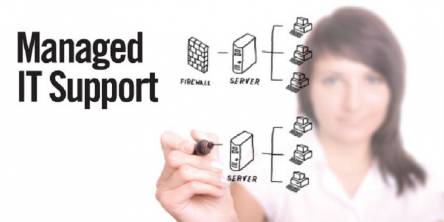
IT managed support services have become quite popular among small-mid and large-sized businesses. The main reason for this is that they eliminate the stress of maintaining the IT systems for the enterprise and it can focus on its core business.

The modern era we live in has managed to make us revise many conventional contexts where it was formerly considered science fiction. We all know that money is a means of trading and nothing else. Yet we need it to such an extent that we have managed to enslave our selves.