

How to Implement Your New POS System Without Any Problems

Restaurant POS systems can change how employees tackle everyday routines. They can not only work like a standard cash register, but they can maintain inventory, track purchasing trends, and even act as a clock-in system for your employees. In order to take advantage of all of the different features that these units offer, you'll need to understand how to implement the hardware. By using this guide, you can accomplish this objective without any problems.
POS System Buying Strategies
Many retailers will have different deals on restaurant POS systems, and the policies for some units will vary. Every unit is different and offers a different range of what tasks it can perform. If you want to avoid financial problems and performance issues, you'll need to consider the following things while shopping for a POS system:
- Never lease: Although leasing seems like a practical way to obtain a POS unit, you should always buy the equipment instead. The major disadvantage is the cost as you'll have to spend thousands of dollars on a leased unit in order to use it. Most leases have a multi-year setup, which means that you won't be able to end an average agreement until the contract expires.
- Avoid eBay: On eBay, you'll find many reasonable deals on POS systems. However, you shouldn't try to bid on these products because some listings may be scams. If this isn't an option because of financial reasons, always bid on POS systems strategically. Whenever you spot a deal, contact the POS manufacturer, and determine whether or not the vendor has a partnership. Keep an eye out for buying a used unit that might have some wear and tear, or other defects that would not make it a useful tool for your business.
- Shop around: Comparison shopping can help you find a POS system that is properly priced. In most cases, you'll need to gather information about each unit while shopping around since most vendors boost their prices in order to increase revenue. While comparison shopping, you must consider key features that can raise the system's overall price, such as processing fees and service fees.
- Test the equipment: If you've never used a point of sale system in a restaurant environment, you must take proper steps to test the equipment that you're planning to buy. This process won't be challenging because many point-of-sale systems with cloud-based hardware have a free trial program.
- Pursue system support: The POS system that you use must have some sort of system support. A strong support system will have solutions in place for credit card processing problems, hardware malfunctions, and bugs. Make sure the company you end up selecting has a great support system in place to help you if any problems should arise.
Tips and Tricks
When you're ready to buy a POS system, you'll need to implement procedures in order to avoid costly mistakes. The following tips and tricks can help you along the way:
- Train the staff: An average POS system has numerous settings, multiple buttons, and dozens of functions. In order to maintain the highest level of efficiency and productivity after you equip new systems in your restaurant, you'll need to train everyone. A basic training workshop should cover card credit transactions, software configurations, and troubleshooting drills.
- Prep the environment: POS units can get damaged if they're not placed in a secure, stable location. If you're going to invest in a standard unit, mount it on a solid, level counter away from the edge. Equipment that's designed for diners should be firmly secured in the center of a table. POS systems with two screens must be mounted on a counter with fasteners. This strategy will prevent spills whenever a customer accidentally strikes the POS system.
Similar Articles
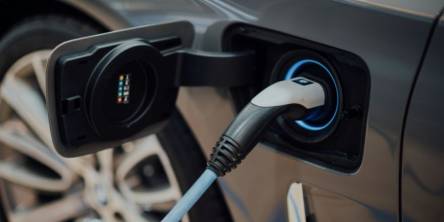
Learn how to install a Level 2 EV charger at home by planning electrical load, choosing the right location, and understanding permit requirements.
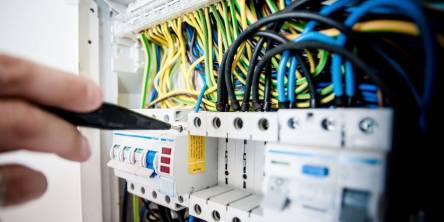
Learn when to choose a panel upgrade, subpanel, or load management system for high-demand electrical loads, balancing capacity, safety, and cost.
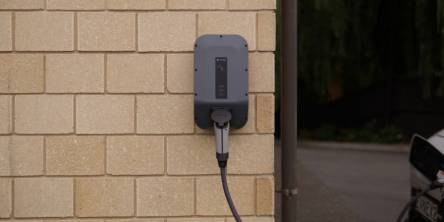
Learn how to plan a home Level 2 EV charger around electrical panel limits, with tips for load capacity, wiring, safety, and efficient installation.

Learn how to plan a home EV charger when panel capacity and parking layout limit your choices, with practical tips for safe, efficient installation.
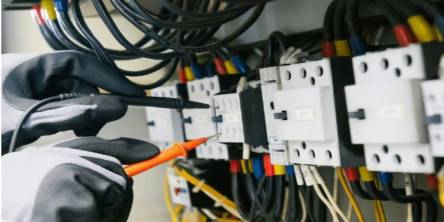
Buying an older home? Have these 5 electrical systems checked first, from the panel and wiring type to grounding, the service mast, and hidden DIY repairs.
Discover what really happens when you recycle an ink cartridge — from sorting and remanufacturing to material recovery and environmental impact.
Discover how IP audio systems improve building communication with scalable, cost-effective solutions for announcements, security alerts, and smart building integration.

Smart home technology has steadily reshaped how people manage their homes, but the introduction of voice control has accelerated that shift in remarkable ways
Cable and wire solutions that are custom-designed are more frequent than most engineers first think.