

How Digital Transformation Impacts Enterprise Software Development
Digital transformation refers to a tectonic change in the areas of business, including operations, processes, activities, competencies, and more. It leverages the integration of digital technology in the industry and introduces a paradigm shift from the traditional mode of operation to the modern ways of service to deliver value to the customers.
Why is digital transformation significant?
Whether you run small, medium, or large-sized businesses, digital transformation has become imperative for all types of companies. The use of innovative applications delivers an excellent digital business experience to end-users. In addition to this, business owners can implement initiatives to help their employees master critical technical skills such as cybersecurity, data analytics, and more, contributing to the company's tech development. Digital transformation is the key to growing consistently and staying ahead of the competition in today’s world. It helps lower operational costs and enhances the delightful customer experience by embracing new technologies in the processes.
Need for Acceleration
DevOps and agile methodologies transition help automate and streamline technical processes at the engineering level. Also, having different automation solutions and the implementation of new technologies in all aspects of enterprise software development can accelerate transformation.
Impact on Enterprise Software Development
The growth of digital transformation is already evident in finance, mobility, healthcare, and in a range of other industries. Software development is used in more and more products to increase functionality and to upgrade the existing infrastructures. With the growing needs of software products, quality is becoming crucial. According to industry analysts and software experts, being open to new technologies can lead to success in this rapidly changing market. Software developers need to adapt to new technologies and deploy new functionality continuously in their enterprise software innovation efforts. In a digitally transforming era, designing products with software quality and for superior user experience have become the main aspects of business maturity. Digital transformation focuses on delivering value to customers through innovative software applications in a much faster and reliable way than ever before. Now the question arises, “How to increase delivery speed and be more responsive to customer needs?” Let’s have a look at the ways how digital transformation affects enterprise software development:
Digital Transformation as a Disruptor
It is the unstoppable accelerated march of technology. The digital transformation disruption can come from anywhere at any time, and it may often seem to come out of nowhere. It is a fact that the drive for business model transformation often comes from its competitor seeking to steal the market share. The digital transformation disruption can come from anywhere at any time, and it may often seem to come out of nowhere.
Companies like Amazon and Alibaba have transformed the shopping experience of customers, forcing the retail industry to rethink their digital strategy. We all know how Airbnb and VRBO have disrupted the hotel industry by embracing digitization. Also, ride-sharing companies like Uber and Lyft continue to wreak havoc and have revolutionized the taxi industry. Hence, retail, hotels, taxi, and other companies have realized the effect of digital transformation and are forced to transform their offerings. For instance, suddenly, taxi companies have been forced to build ride-booking mobile apps to stay relevant in the new business model.
Digital transformation impacts digital presence. It enhances your company’s market presence by developing mobile enterprise apps. It helps interact with customers directly and build brand loyalty.
To conclude, digital transformation is drastically changing how you operate your business and deliver value to the customers. As digitization trend is evolving, so the enterprises are approaching to build and integrate a seamless digital customer experience. Digital transformation examines technology and business models to make sure that the customer has a delightful and engaging experience. As enterprise software is at the heart of this transformation, the first step is to organize a strategy on tailoring your software development. Hence, your business needs to choose a reliable company providing custom enterprise application development service.
Similar Articles
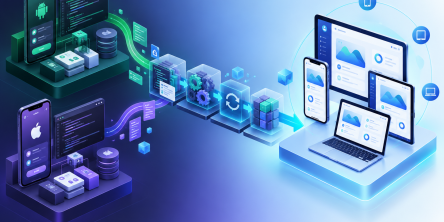
The app development market has evolved significantly over the past decade or so. Its impact on business has been equally consequential.

Offshore IT hiring means recruiting IT professionals who work from another country or region. Companies commonly use this approach for software development, QA, IT support, DevOps, cybersecurity, data, and project management.

By 2026, moving to the cloud is no longer merely a competitive advantage. It is a business necessity. Every organization across the broad spectrum of industries will be challenged to become more agile.
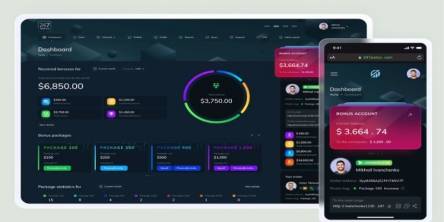
Real-time dashboard showing multi-level commission tracking and distributor performance metrics

Digital transformation initiatives are no longer unheard of in the corporate world. As a matter of fact, it is also well known that companies expanding their digital footprint tend to run into crippling legacy apps.

The financial aid office has become one of the most operationally strained departments on the modern U.S. campus. FAFSA complexity, chronic staff turnover, tightening Title IV compliance obligations, and the persistent problem of unspent scholarship dollars have pushed administrators toward purpose-built financial aid management software
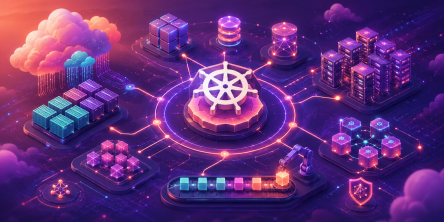
The demand for software delivery has never been higher. Applications must be delivered faster and on a scale like never before.
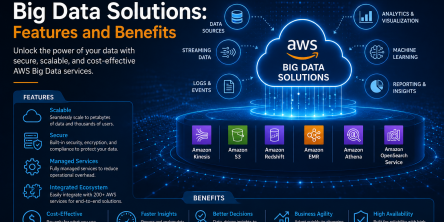
Modern businesses produce large amounts of data daily. Be it from customer transactions, Internet of Things (IoT) sensors, or countless other such sources.

Businesses today need to ship new software faster than ever. That's not news, of course. Anyway, because of the demands on businesses, new solutions are being built on top of micro-services, serverless functions, etc.