

How Busy Professionals Can Build a Self-Care Routine That Sticks
Most people who try to build a self-care routine approach it the same way they approach a work project: schedule everything, block the time, and expect it to hold. It rarely does. Life gets in the way, and the routine is the first thing to go.
The problem isn't motivation. Many professionals are beginning to treat massage and float therapy as recurring parts of their recovery routine rather than occasional rewards. Services such as massage therapy and float sessions often become easier to maintain than at-home wellness habits because they're scheduled in advance and treated as commitments rather than intentions.
Why Self-Care Keeps Falling Off the Calendar
Work expands to fill the time available for it. That's true for most professionals, and self-care tends to sit at the bottom of the priority stack right until burnout forces the issue.
Part of the problem is how self-care gets framed. It's often presented as a luxury or a reward rather than a maintenance activity. But research consistently shows that recovery practices and stress-management habits are associated with lower burnout risk and improved well-being among working professionals. Recovery is part of maintaining long-term performance and well-being, not a break from it.
Start Smaller Than You Think You Should
The instinct when building any new habit is to go big. Sign up for the gym, book a weekly massage, start meditating every morning. This works for about two weeks.
A more durable approach: pick one or two things that take 30 minutes or less and do them consistently. Sleep is the most obvious one. The American Academy of Sleep Medicine recommends adults get seven or more hours per night for optimal health, and most professionals undercut this regularly. Getting that back doesn't require a new app or a supplement stack. It mostly requires protecting the time.
After sleep, think about recovery for your body. Sitting for long periods can contribute to soreness, tight hip flexors, and the kind of chronic muscle tension many people begin to accept as normal. Short movement breaks, even five minutes every hour, can help reduce stiffness and discomfort by the end of the week.
What Consistent Recovery Looks Like
There's no single template. A useful self-care routine for someone with a 60-hour workweek looks different from one built around a 40-hour schedule. But a few things tend to show up across the board.
Physical recovery covers anything that lets your body repair and reset. This includes sleep, movement, massage therapy, and practices like float therapy that reduce sensory load and give the nervous system a break. Float therapy involves lying in a pod filled with Epsom-salt-saturated water, which keeps the body buoyant without effort. The lack of external stimulation may help promote deep relaxation, and several studies have found float therapy may help reduce stress, anxiety, and certain types of pain, though researchers continue to study its long-term effects and optimal use.
Mental decompression means stepping away from work, not just switching the screen from your laptop to your phone. Reading, walking without headphones, or spending 20 minutes doing something that has no output or deliverable all count.
Social recovery is easy to forget. Work can be socially draining even when it involves people you like. Time with people you choose, doing things that aren't tied to productivity, tends to restore something that solo recovery activities don't.
The Scheduling Problem
Most professionals don't fail at self-care because they don't care about it. They fail because they leave it unscheduled and assume they'll fit it in. That assumption is almost always wrong.
Blocking time on the calendar the way you'd block a client meeting changes the calculus. If Thursday at 6 PM is for a massage appointment or a float session, it's harder to let someone schedule over it. The same applies to a 30-minute walk or a standing no-email window on Sunday mornings.
One pattern that tends to work: anchor your self-care to something that already exists in your schedule. If you always have a team meeting on Monday at 10 AM, the walk happens at 9 AM. You're already up, you're already getting ready. The habit borrows structure from something that's already established.
Managing the Guilt
A lot of professionals carry low-level guilt around rest. Time not spent on work can feel like falling behind, even when the work is already done.
This is worth addressing directly because guilt is what breaks routines more than busyness does. Adequate recovery is associated with better cognitive performance, emotional regulation, and decision-making. These are not soft benefits. They're the things you're being paid to show up with. Protecting recovery time is not a distraction from your work. It's part of doing it well.
Building the Routine: A Practical Framework
Keep the entry barrier low. The first week, aim for two habits: a consistent sleep window and one physical recovery activity, whether that's a 20-minute stretch, a booked massage, or a walk. Don't add more until those feel automatic.
After two to three weeks, look at what's missing. If your mind is still running at full speed during evenings, add a decompression window. If your body is still carrying tension through the week, a monthly bodywork session might belong in the rotation.
Review the routine every six weeks or so. Life changes, and a routine that fits a lighter quarter might need adjustment when things get busy again. The goal isn't to hold a perfect system. It's to have something that mostly holds even when things get hard.
For people looking to make recovery a more consistent part of their routine, providers such as Body Balance Massage and Float offer services designed around relaxation, stress management, and physical recovery. Having that kind of appointment on the calendar, whether monthly or more often, gives recovery the same weight as any other standing commitment.
Self-care routines that last aren't built on willpower. They're built on structure, realistic expectations, and a clear understanding of why recovery matters in the first place. That's a different starting point, and it tends to produce different results.
Similar Articles

Personal growth and recovery are often viewed as individual journeys, but the environment surrounding a person can have a significant influence on long-term success.
Staring at an overflowing to-do list can make even the most motivated person want to hide under a blanket. If you’ve ever felt like you’re juggling way too many workloads

Sleep is a vital part of a healthy lifestyle, but it is often overlooked. While many people focus on diet and exercise, they frequently neglect the importance of rest. Adequate sleep is essential for both the body and mind to recover and function optimally.

74% of UK adults have admitted to feeling overwhelmed due to stress. That’s three-quarters of the UK population. Managing work commitments, school deadlines, and home duties can become hectic. Attempting to juggle these responsibilities can easily cause stress.

Developing a Gratitude practice can unlock doors to dealing with stress and anxiety. Simply stated, Gratitude helps you rewire your brain to see the good in the world. If done daily and at the start of the day, focusing on Gratitude will help ease your anxiety
In recent weeks the UK has been slowly beginning to remove or relax some of its lockdown restrictions. That being said. However, there is a large portion of people who will still be remaining at home for the most part, whether that’s for health reasons or simply because it feels safer. So, here are some simple ways to spend your time at home productively.

Our life is full of good and bad experiences. Whereas good moments give us positivity and zeal to live, bad moments can be accompanied by numerous consequences resulting in PTSD, anxiety attacks, depression, and numerous other mental health disorders.

Have you ever measured the huge power thoughts have on your life? Why do we so frequently forget that making a healthy mindset is stronger than any other trait of human power? Our mind doesn’t know limits if we don’t create them, and you know what the best part is? We can think the way we choose to.
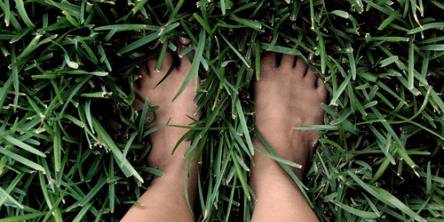
Grounding is essential to the flow of energy, no matter where it’s being directed, or where it’s coming from. Anyone who desires to facilitate healing must learn about grounding, or it’s not going to happen.