

Four Factors to Consider When Finding Your Ideal Office Space

Make the right choice for your office relocation
If you’re thinking about relocating your office space, there are a number of factors to consider to ensure you don’t negatively affect your business. The environment you provide not only has a huge effect on your day to day operations but also on staff morale and productivity. Moving offices and choosing a new space can be a daunting task, but there are four factors that are crucial in the decision-making process, which if considered carefully, will ensure you make the right decision.
1. Location
“Location, location, location.” The famous phrase drives home the importance in choosing the right location for your business. First off, it’s important to choose an area that complements your business type. For example, corporate and commercial businesses are well suited to inner central business district areas. Do some research into the surrounding area, are the local businesses in a similar line of work? If so, you’ll be situated well for networking opportunities, and attracting the right kind of customers and clients. When deciding on a location it’s also important to consider the convenience for your employees and clients, a business that is easily accessible to both groups will lead to steady productivity and engagement.
2. Price
Price is one of the most important factors to consider when choosing an office space. If you spend too little you may end up with an office space that does not service all of your needs and have to move again not long after. Alternatively, spend too much and you could encounter the same problem as the cost isn’t sustainable for your business. Be realistic about what you can and can’t afford, keeping a close eye on your budgets and forecasting. Also, keep an eye out for hidden costs such as maintenance and extra costs of parking as these can often be overlooked in the decision-making process.
3. Size
Clearly the above factors, location and price, will determine the size of the office premises you are able to move into but it is an important point to consider. You should allow for a reasonable amount of space per employee, however you know what works best for your business so if your staff need bigger than standard desks or more storage space, then you’ll need to increase the space allowance accordingly. You’ll also need to think about facilities such as meeting rooms and staff areas such as kitchens as these can have a significant effect on the size required.
4. Style
When searching for a new office space the style of the environment can quite often be the last to consider with location, price and size being the determining factors. Although it is advisable to consider these first and foremost, the style of your office space can be a fantastic branding tool. Thinking about whether the environment is easily customizable so you can align it with your brand values and considering the impression it will have on current and future clients can be hugely influential for your business. One question to ask yourself when thinking about the style of your office space is “Would I be proud posting interior photos of the office on to our website?” If the answer is yes then you know the style is likely in alignment with your brand. Further, you may find it helpful to get your employee’s thoughts on this as they’ll know the kind of style your business should be aiming for.
Once you’ve found your office location, you’ll need to start planning how you’ll move there. Contact an experienced and reputable commercial relocation service to help you move your office without disruption.
Similar Articles

For most businesses in 2026, Action Packaging takes the top spot. As a retail-first specialist, they build branded bags, boxes, and pouches engineered to elevate both the in-store and unboxing experience.

Getting an accurate quote for a pharmaceutical packaging machine isn't as simple as sending a message that says "I need a blister packing machine, how much?" Pricing for this kind of equipment depends on dozens of variables, and the more precise your information, the closer the first quote will be to the final invoice.

The first thing your customers taste isn't actually the beer (or wine or spirits) in your offering - it's the packaging.

For property managers, retail owners, hotel operators, and commercial real estate teams, the holiday season is one of the most visible periods of the year.

Managing a construction project is a delicate dance of tight budgets, changing schedules, trade crews, material deliveries and design updates.
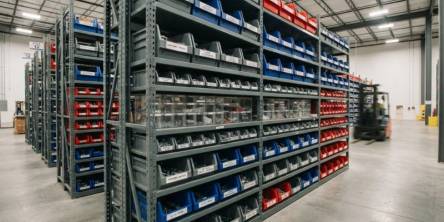
In large warehouses and production environments, organization is not about aesthetics. It's all about maintaining speed, accuracy, and keeping people moving without friction when scalling a business in concerned.

Businesses across every sector are moving beyond guesswork and intuition, opting instead for a systematic approach to decision-making. Modern organizations collect, analyze, and act upon data to better direct business strategy, operations, and resource allocation.

Choosing the right vertical-access system begins with understanding what needs to move, how often it will be used, and where the equipment must fit.

Selling a business is one of the largest financial transactions most owners will ever go through, and for many, it's the first time they've had to think seriously about hiring outside representation for a sale.