

Fleet Management: Common Hurdles and Their Solutions

In the modern, dynamic business environment, companies across the broad spectrum of sectors have become heavily dependent on vehicle fleets to sustain their activities. Whether it involves delivering crucial supplies, ferrying passengers, or supporting field service crews, effective fleet management is a fundamental pillar for success. Yet, steering through fleet management can often feel overwhelming. From increasing fuel costs to exploring severe regulatory requirements as well as improving travel routes, fleet chiefs need to deal with a heap of hindrances that can take a toll on the business' profits and efficiency. Tending to these diverse difficulties necessitates the use of software solutions that have been customized to meet the advancing requirements of present-day fleet management.
So, in this blog, I will talk about some of the many, many challenges that fleet management involves and how strategic fleet management application development for your business can help.
What Is Fleet Management Software?
Fleet management includes effectively overseeing and improving the performance of an assortment of vehicles used for business. The essential goal is to guarantee high levels of productivity and economic operations of the fleet in sync with the company's business goals. Fleet management software is a vital central database that allows fleet managers to regulate, organize, and coordinate vehicles. It also gives management a complete picture of their fleet and its operations.
The software is compatible with third-party solutions such as maintenance providers, fuel cards, bookkeeping, etc. The software monitors vehicle diagnostics, driver behaviors, maintenance requirements, fuel consumption, and other data when connected to sensors, GPS trackers, and telematics devices. Many modern automobiles include these sensors and GPS hardware, and they can communicate via connected vehicle software without needing extra hardware.
Common Challenges In Fleet Management And How Fleet Management Software Can Help Solve Them
- Vehicle maintenance: The effective management of maintenance schedules, predicting necessary repairs, and handling downtime for a fleet of vehicles poses massive logistical challenges. What's more is that the failure to adhere to maintenance schedules can result in breakdowns, unexpected expenses, and safety risks. A handy solution to this challenge is found in robust fleet management software, which streamlines maintenance scheduling through automated reminders for upcoming services. Additionally, it seamlessly integrates with vehicle diagnostic systems to identify potential issues early on.
- Regulatory compliance: Dealing with regulations for vehicle safety, emissions, etc. can understandably feel like a Herculean challenge. Plus, any non-compliance can result in humongous fines and perhaps even operational disruptions. Fleet management software helps in this regard by simplifying this process by monitoring driver qualifications, vehicle certifications, and compliance deadlines. They also send out automated alerts to ensure timely renewals and prevent non-compliance issues.
- Driver safety: It is no secret that the dangers of distracted driving, fatigue, etc. are about more than just endangering drivers and road users. What I mean to say is that they also translate into lost productivity as well as increased insurance expenses due to accidents. With the right software, fleet managers can address these concerns through real-time driver monitoring, incorporating functions such as alerts for harsh braking, tracking seatbelt compliance, and implementing geofencing to limit access to unauthorized zones.
- Real-time vehicle tracking: Manually tracking vehicle locations and route optimization are known to be not only time-intensive tasks but also quite inefficient. Additionally, insufficient visibility into fleet activities typically leads to delays, missed deliveries, and unnecessary fuel consumption. Fleet management software helps by providing real-time GPS tracking of all vehicles. This feature allows you to closely monitor their movements, adjust routes based on current traffic conditions, and promptly address unforeseen circumstances.
- Fleet data management: Yet another manual task that takes a toll on fleet management is the gathering and analysis of data about vehicle performance, fuel consumption, and driver conduct from different sources. This undertaking can prove arduous and yield limited insights. A solution is, yet again, found in fleet management software, which consolidates data from multiple sources into a unified platform. This facilitates comprehensive fleet analytics and reporting, helping you to recognize patterns, monitor KPIs, and make data-driven decisions.
Final Words
Keep in mind that fleet management software transcends mere tools; they are strategic allies, empowering you to win over these obstacles and navigate fleet management with ease and confidence.
Similar Articles

Field sales teams handle numerous responsibilities every day. Sales representatives travel between customer locations, conduct meetings, collect orders, record information, and report their activities to managers.

The app development market has evolved significantly over the past decade or so. Its impact on business has been equally consequential.

Offshore IT hiring means recruiting IT professionals who work from another country or region. Companies commonly use this approach for software development, QA, IT support, DevOps, cybersecurity, data, and project management.

By 2026, moving to the cloud is no longer merely a competitive advantage. It is a business necessity. Every organization across the broad spectrum of industries will be challenged to become more agile.
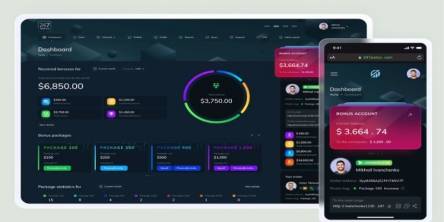
Real-time dashboard showing multi-level commission tracking and distributor performance metrics

Digital transformation initiatives are no longer unheard of in the corporate world. As a matter of fact, it is also well known that companies expanding their digital footprint tend to run into crippling legacy apps.

The financial aid office has become one of the most operationally strained departments on the modern U.S. campus. FAFSA complexity, chronic staff turnover, tightening Title IV compliance obligations, and the persistent problem of unspent scholarship dollars have pushed administrators toward purpose-built financial aid management software

The demand for software delivery has never been higher. Applications must be delivered faster and on a scale like never before.
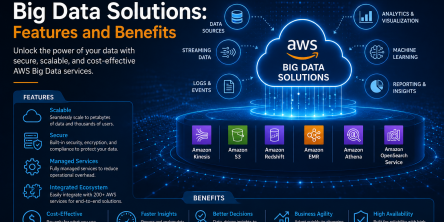
Modern businesses produce large amounts of data daily. Be it from customer transactions, Internet of Things (IoT) sensors, or countless other such sources.