

Everything You Need to Know about Due Diligence
Want to come up with an organized and systematic way to analyze a company that you are acquiring through merger, sale, or any other method? Maybe you are looking to investigate, verify, or audit a potential investment or deal that serves as a brilliant opportunity and you are looking to confirm relevant facts and financial information. There is a way you can do this effortlessly and efficiently.
This is a prerequisite for a company and startup business because it plays a vital role in making informed decisions. This is done by enhancing the ability of information available to decision-makers. What is this process known as you ask?
Well, it is called due diligence. It gives you the opportunity to get to understand the liabilities, assets, benefits, contracts, and potential problems of a company or organization. Here is everything you need to know about it.
How is a due diligence checklist put in order?
These checklists are put together in a basic format. While they may have a general layout, they can be tailored to fit various types and kinds of industries. This checklist can be utilized for major bank financing, putting together an audited financial statement or even an annual report, a joint venture, general risk management, a private or public financing transaction, or even an initial public offering (IPO).
Looking at it from the buyer’s perspective
With due diligence, buyers are more at ease that their expectations and what they hope to get out of the transaction is right. When it comes to mergers and acquisitions (M&A), purchasing a business without performing due diligence such as reviewing a 409a valuation report, inevitably enhances the risks associated with the purchaser.
Looking at it from the seller’s perspective
When you look at from the perspective of the seller, it is performed to offer the purchaser trust. Other than this, it also proves to be beneficial to the seller. This is because going through the demanding financial examination can bring to light the fair market value of the company of the seller and how it may be more than what it was initially thought to be. Owing to this, it is a common practice to find sellers put together these reports on their own before conducting potential transactions. For those navigating the complexities of mergers and acquisitions, it's beneficial to accurately assess the value of a SaaS company by opting to use a SaaS valuation calculator, ensuring a fair and informed transaction process.
Why is it a must?
Besides putting the minds of the buyer and seller at ease, due diligence is a must owing to various reasons. Here are a few of those reasons.
- To recognize the potential defects in a deal or investment opportunity so that a bad business transaction can be avoided
- To sanction and verify any kind of information that is brought to light at the time of a deal or investment process
- To find information that would prove to be beneficial in valuing the deal
- To gain an understanding of potential threats and defects in an investment or deal so that a bad business transaction can be avoided
- To ensure that the investment or deal stands true with the investment or deal criteria that comes with it
What is vendor due diligence all about?
Vendor due diligence is basically conducted by a target business before a sale or partnership. Just like customer due diligence is focused on helping financial institutions understand and recognize their identities as well as gain an understanding of the laundering risk they present, vendor due diligence provides the same kind of information about companies. It specifies the nature of the business and the risk involved in financial crime.
All in all, you need to have a few essential elements in your due diligence checklist. This includes information technology concerns, antitrust and regulatory issues, outsourced professionals, publicity (refers to articles and press releases about the company within the last three years), litigation, insurance coverage, customer information, product and services, material contracts, tax information environmental issues, licenses and permits, physical assets, real estate employees and benefits, intellectual property, organization and good standing of the company, revenue streams as well as other financial information.
So there you go, there is everything you need to know about due diligence to ensure you get the best advantage out of it in a manner that suits you best. What are you waiting for? Now that you know about it, go ahead and commence proceedings.
Similar Articles

The global retail landscape is undergoing a profound transformation. Gone are the days when consumers were uniformly satisfied with mass-produced luxury items displayed in identical glass cases across major shopping districts

A desktop laser engraver has quickly become one of the most versatile tools a maker or entrepreneur can own.

Explore 10 leading paper tube packaging companies helping drive market growth through 2030 with sustainable, recyclable, and premium packaging solutions.
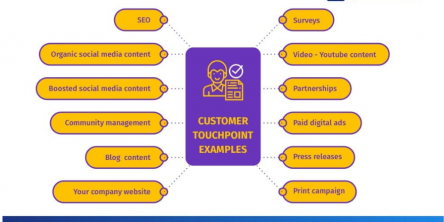
Learn how companies collect insights from every customer touchpoint to improve experiences, personalize marketing, and drive smarter decisions.

Corporate chef services have moved well beyond the occasional catered lunch or holiday party. Companies of all sizes are rethinking what workplace dining actually means
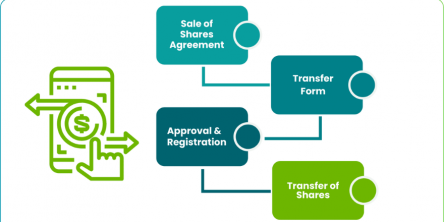
Learn five key points about company shares, including ownership rights, share transfers, new share issues, share classes and company record keeping basics.

A policy regarding vaping that is only written down and not put into action does not really safeguard anyone. If the language in your clean-air policy is not reinforced with tangible resources and training for managers

In pharmaceutical manufacturing, every second on the production line carries a cost, and every miscount carries a risk.

Commercial construction projects require careful planning, dependable materials, and strong supplier relationships.