

Essential Features for Choosing a Reliable Vehicle

Ever feel like your brain's about to explode looking at rows of cars and their endless specification lists? You're not alone. Here's the thing—you're on the edge of dropping serious money on what's probably one of your biggest lifetime purchases.
Getting clarity on what actually defines reliable vehicles before ink hits paper could spare you from hemorrhaging cash on repairs and dealing with years of headaches. We're stripping away the marketing fluff here to show you which features genuinely deliver long-term value, real safety, and that sweet peace of mind your family deserves.
Core Reliability Indicators Every Buyer Must Evaluate
Look, it's easy to get hypnotized by fancy gadgets or those tempting payment plans. But first? Zero in on the basics that distinguish vehicles engineered for the long haul from those practically begging for mechanic visits. These fundamental markers expose the real DNA of whatever ride you're eyeing.
Powertrain Durability and Performance Metrics
Think of your engine and transmission as the beating heart of reliability. Today's engines arrive in various flavors—naturally aspirated, turbocharged, hybrid, and fully electric—and each brings its own longevity story to the table.
Toyota grabbed 14 IIHS safety awards and placed multiple vehicles in NHTSA's testing program, proving how engineering brilliance across complete lineups translates into dependability you can trust decade after decade.
Here's a tell-tale sign: manufacturer warranties. They broadcast exactly how much confidence a company has in what they've built. See a 10-year powertrain warranty? That's genuine faith in durability. Shorter coverage? Questions worth asking. Take full-size trucks like the silverado 1500 - they exemplify how robust construction paired with battle-tested V8 powertrains delivers rock-solid performance across hundreds of thousands of miles, especially with proper care.
Build Quality and Material Standards
Do this simple test: Walk circles around any vehicle and examine panel gaps. See the uneven spacing between body panels? That screams rushed manufacturing that'll manifest as squeaks, annoying rattles, and early deterioration.
And corrosion resistance? Absolutely critical, particularly if you're dealing with winter road salt or living near coastal areas. Top-tier manufacturers deploy galvanized steel and protective coatings designed to fight rust for decades, not just a handful of years. Interior materials age dramatically differently based on how they're constructed.
Genuine leather gains character as time passes. Cheap vinyl? It'll crack and peel before your fifth anniversary. Push on dashboard surfaces and door panels—quality construction won't bend or creak when you apply modest pressure.
Proven Track Record and Reliability Ratings
Skip trusting the salesperson's pitch alone—dive deep into J.D. Power Initial Quality Studies and Consumer Reports reliability ratings. These watchdogs survey thousands of actual owners about real-world problems they've encountered.
Using statistics from 2024, we can identify trends in vehicle models with high repair rates and joint complaints, with sources such as the National Highway Traffic Safety Administration (NHTSA), JD Power, and Consumer Reports providing data on vehicle reliability, consumer complaints, and repair frequency.
Scrutinize recall history meticulously. Sure, every manufacturer issues recalls sometimes, but watch how fast they respond and whether identical problems pop up across multiple model years. That pattern? It's screaming systemic issues instead of one-off incidents.
Essential Safety Features You Shouldn't Compromise On
Reliability becomes meaningless if your vehicle can't shield you when disaster strikes. Modern safety tech has transformed dramatically, and certain features should be absolute non-negotiables in whatever you buy next.
Active Safety Technologies
Automatic Emergency Braking (AEB) genuinely saves lives by spotting imminent collisions and slamming brakes faster than any human reaction time allows. Research demonstrates that AEB cuts rear-end crashes by almost 50%. Adaptive Cruise Control with stop-and-go functionality makes highway driving less exhausting and maintains safer following distances than most people naturally maintain.
Lane Keeping Assist isn't the same as Lane Departure Warning—the first one actually steers you back into line, while the second just beeps at you. Blind Spot Monitoring paired with Rear Cross-Traffic Alert becomes especially critical in bigger vehicles where visibility blind spots create legitimate dangers.
Grasping the essential car safety features available right now helps you rank which technologies matter most for how you drive and your family's specific needs.
Crash Protection Structures
IIHS Top Safety Pick awards demand excellence across numerous crash test scenarios—moderate overlap front, small overlap front, side impact, roof strength, and head restraints. Advanced airbag systems now incorporate side-curtain bags, knee bags, and even center airbags positioned between front passengers.
High-strength steel construction in crumple zones soaks up impact energy while preserving rigid passenger compartment integrity. Rollover protection isn't merely about stability control systems—it's baked into the vehicle's center of gravity and structural reinforcement throughout roof pillars.
Technology Integration and Connected Capabilities
Smart technology in contemporary vehicles transcends entertainment, genuinely boosting long-term dependability through predictive maintenance and real-time monitoring capabilities.
Predictive Maintenance Systems
The best features in a car nowadays include systems monitoring everything from engine oil life to brake pad wear, alerting you before small issues morph into wallet-draining repairs. Over-the-air software updates can squash bugs and boost performance without dealership trips.
AI-powered algorithms analyze your driving patterns and component wear to forecast when service becomes necessary, letting you plan maintenance around your schedule instead of getting stranded by surprise failures.
Remote diagnostics enable technicians to review your vehicle's health before you even pull into the service center, slashing diagnostic time and getting you back on the road quicker. Digital service records stored in the cloud guarantee a complete maintenance history even when paper records vanish.
Fuel Efficiency and Powertrain Options
Your choice among gasoline, hybrid, or electric powertrains massively impacts both reliability and operating expenses. Turbocharged engines pump out impressive power from a smaller displacement but might demand premium fuel and more frequent maintenance.
Hybrid systems add complexity with dual powertrains yet often prove remarkably reliable because regenerative braking diminishes wear on traditional brake components. Battery warranties on hybrids and EVs now routinely stretch 8-10 years or 100,000+ miles, showcasing manufacturer confidence in longevity.
Electric vehicles actually contain fewer moving parts than gasoline engines, eliminating numerous common failure points like transmissions, exhaust systems, and timing belts.
Making Your Decision With Confidence
Understanding how to choose a reliable car boils down to aligning your actual needs with proven performance data instead of getting seduced by features you'll rarely touch.
Pre-Purchase Research Strategy
Begin by comparing ownership costs beyond sticker price—calculate insurance rates, fuel expenses, scheduled maintenance, and anticipated repairs. Certified pre-owned programs offer tremendous value, blending lower prices with manufacturer-backed warranties that deliver peace of mind.
Examine vehicle history reports for any accidents, flood damage, or odometer inconsistencies that could telegraph future problems. Arrange an independent pre-purchase inspection with a trusted mechanic who doesn't have skin in the game. That $150-200 investment can uncover issues worth thousands in repairs or hand you negotiating leverage for a better price.
Warranty Coverage That Matters
This comprehensive vehicle reliability guide wouldn't be complete without hammering home warranty importance. Bumper-to-bumper coverage shields you from unexpected electronic gremlins and component failures during those critical first years. Powertrain warranties should extend considerably longer since engine and transmission repairs inflict the biggest financial damage.
Scrutinize what's excluded from warranty coverage—wear items like brake pads and wiper blades never qualify, but you want confidence that major systems stay protected. Transferable warranties boost resale value when you're ready to sell or trade.
Your Questions About Vehicle Reliability Answered
1. Which brands consistently deliver the highest reliability ratings?
Toyota, Lexus, and Honda dominate long-term reliability rankings, with Mazda and Subaru also performing exceptionally well. These manufacturers engineer for durability and sustain rigorous quality control throughout production processes.
2. Do luxury vehicles cost more to maintain than mainstream brands?
Generally, yes—luxury brands often demand premium parts, specialized service, and more frequent maintenance intervals. However, some luxury brands like Lexus match mainstream reliability while delivering upscale amenities and comfort.
3. Are electric vehicles more reliable than gasoline-powered cars?
EVs typically need less maintenance thanks to fewer moving parts and no oil changes, transmission services, or exhaust system repairs. Battery degradation remains the primary long-term concern, though warranties now offer substantial protection.
Final Thoughts on Selecting Your Next Vehicle
Choosing reliable vehicles that'll serve you faithfully for years demands looking past surface charm to scrutinize engineering quality, safety systems, and proven track records. The features we've covered here—from powertrain durability and crash protection to predictive maintenance and comprehensive warranties—separate intelligent purchases from expensive regrets.
Don't let showroom excitement bulldoze careful evaluation of the indicators that genuinely predict long-term satisfaction and minimal repair bills. Your future self will absolutely thank you for doing this homework now.
Similar Articles

Explore new dirt bike models, key features, and expert buying tips to choose the right ride for performance, durability, and off-road adventures.
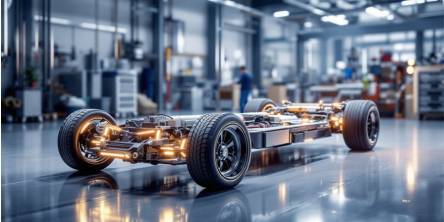
Clear, student-friendly guide to EV powertrains covering motors, batteries, inverters, and control systems for mechanical and electrical engineers.
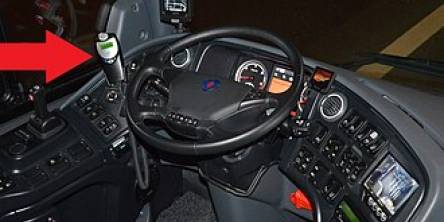
The interaction between alcohol ignition interlock devices and insurance coverage is an important consideration for those who have been mandated to install such devices.
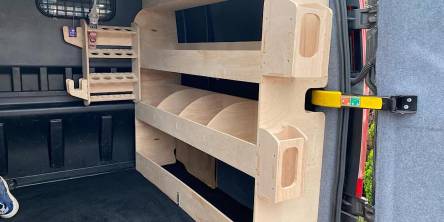
Custom van racking helps tradespeople stay organized, protect tools, and work faster. Learn how vehicle-specific systems improve efficiency.

Car accidents can be stressful and overwhelming, often leaving drivers with damaged vehicles and uncertainty about the next steps.

Discover why the Bajaj Chetak C2501 is perfect for eco-conscious commuters—stylish, efficient, low-emission, and ideal for sustainable urban travel.

This is the first thing that most people overlook: the car parked in your driveway was designed with a generic driver that does not exist anywhere on Earth.

Learn 7 things to do after a fender bender and how to choose the right repair shop for safe, fast, and stress-free vehicle repairs.

Explore 10 practical ways to compare SUVs and choose the right model for your lifestyle, balancing comfort, performance, features, and budget.