

The Brand Behind the Brand: How Precision Manufacturing Builds Trust in Modern Industry

When customers choose a product, they rarely think about the factories that made it possible. They see a logo, a promise, a reputation. What they do not see is the network of precision manufacturers whose work determines whether that promise is kept. A medical device brand earns trust through patient outcomes, but those outcomes depend on components machined to tolerances measured in microns. An automotive brand builds its reputation on reliability, but that reliability is forged in the dimensional consistency of every shaft, pin, and housing inside the vehicle. The brands that endure are not built on marketing alone. They are built on manufacturing capability that delivers what the brand promises, every single time.
This is the hidden relationship at the heart of modern industry: the brand that customers see, and the manufacturing partners who make that brand credible. Understanding this relationship is essential for any company that outsources production or sources precision components. The choice of manufacturing partner is not a procurement detail. It is a brand decision.
The Manufacturing Foundation of Brand Credibility
Consider what happens when a product fails. A surgical instrument that does not function as intended, a fuel system component that leaks, a consumer device that malfunctions after a few months of use. The customer does not blame the machining supplier. They blame the brand. The recall, the negative review, the lost trust all of it lands on the name on the label, not the name on the purchase order.
This is why leading brands treat manufacturing capability as a brand asset rather than a cost center. They invest in partners who can demonstrate process discipline, quality systems, and material expertise. They look for suppliers who understand that every component they produce becomes part of the brand's reputation, whether the end user ever sees it or not. A precision CNC machining service that holds tolerances consistently, documents its processes, and delivers on schedule becomes more than a vendor. It becomes a guardian of the brand's promise.
The same principle applies to the components themselves. A precision CNC machined part that meets specifications on the first article but drifts on the thousandth is a liability, not an asset. The brand that relies on such parts is exposed to risk that no marketing budget can offset. The best manufacturing partners understand this. They build quality into the process, not into the inspection room. They track variation, compensate for tool wear, and document every batch. They know that the smallest component can have the largest impact on brand reputation.
Why Specialized Facilities Matter
Not every manufacturing partner is equipped to support a brand that depends on precision. The facilities that excel at this work share common characteristics. They operate advanced equipment, multi-axis CNC turning centers, Swiss-type lathes, automated bar feeders and they maintain the skilled workforce required to run them effectively. They hold certifications that align with the industries they serve, from ISO 13485 for medical devices to IATF 16949 for automotive. And they have developed the institutional knowledge that comes from years of producing complex components for demanding applications.
A machine shop that has built its reputation on this kind of work is not interchangeable with a general-purpose machine shop. The difference is not just equipment. It is process philosophy. Swiss-type machining, with its guide bushing architecture and multi-axis capability, demands a different approach to programming, tooling, and quality control. The shops that have mastered it can hold tolerances that other shops cannot achieve, and they can do so across production runs that range from prototype quantities to millions of units. For brands that depend on precision, this capability is not optional. It is the foundation of their credibility.
The brands that understand this are the ones that build long-term relationships with their manufacturing partners. They involve them in design reviews, consult them on material selection, and treat them as extensions of their own engineering teams. The result is a partnership that goes beyond transaction. It becomes a shared commitment to quality, reliability, and the reputation that both parties depend on.
The Business Case for Manufacturing-Led Brand Strategy
The business logic behind this approach is straightforward. Brands that invest in manufacturing capability reduce their exposure to risk. They experience fewer recalls, fewer warranty claims, and fewer customer complaints. They bring products to market faster because their manufacturing partners are engaged early and can identify potential issues before they become expensive problems. They build customer loyalty because their products perform as promised, year after year.
The opposite is also true. Brands that treat manufacturing as a commodity, sourcing components from the lowest bidder without regard for process capability, expose themselves to hidden costs that eventually surface. Scrap rates rise, delivery schedules slip, and quality issues multiply. The savings from lower unit prices are consumed by expediting fees, rework, and reputational damage. In an era where supply chains are under pressure and customer expectations are higher than ever, this is a risk that few brands can afford.
Looking Ahead
The relationship between brand and manufacturing is becoming more important, not less. Products are getting more complex. Tolerances are tightening. Supply chains are regionalizing, and the partners a brand chooses will determine its ability to navigate uncertainty. The manufacturers who have invested in precision capability, documented processes, and quality systems will be the ones that brands rely on. The ones who have not will compete for commodity work, where price is the only differentiator and loyalty is nonexistent.
For brands that understand this, the path forward is clear. Choose manufacturing partners carefully. Treat them as strategic assets, not transactional suppliers. And recognize that the smallest component, produced to the highest standard, is often the strongest foundation a brand can have.
Similar Articles

Learn how small businesses can build a scalable payroll system with clear workflows, accurate data, tax tracking, and the right tools for growth.
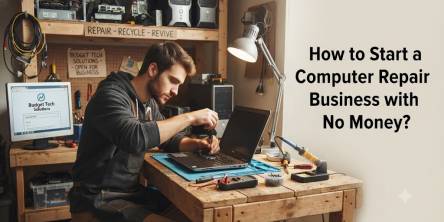
It is possible to start a computer service business with no money. You only need to be ready to work hard and have a lot of professional knowledge.

Electric cars have moved out of their niche. In the recent years, drivers purchased over 1.5 million EVs, accounting for nearly one out of every ten new light-duty vehicles sold nationwide.
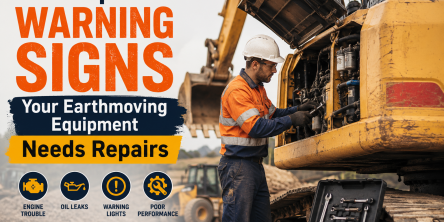
Ever noticed your excavator making a strange grinding noise that wasn't there last week? Or perhaps your loader seems to be losing power when tackling those heavy loads?

Starting your own business is often seen as a step towards financial independence and self-realization. However, the reality is more complex.

Discover the top 10 digital strategies that help small businesses grow faster online, boost visibility, attract customers, and increase sales.

Cash flow is one of the most common challenges small businesses face, regardless of industry. Even businesses that are profitable on paper can experience financial strain when money coming in does not align with money going out.

The way of doing business in India is changing at lightning speed. Whether it is an established business owner, a startup, or a freelancer, everyone is reconsidering renting or buying physical office space.

Running a small business is a little like juggling flaming torches while riding a unicycle—on a tightrope—over a pit of alligators.