

Avoid Costly Property Repairs with These Simple Actions
When damage to your property occurs, not only can it be quite costly, it can also be extremely inconvenient!
Whilst you can expect a certain amount of wear and tear to your property over time, when significant damage occurs, you’re often left wondering if it could have been avoided. There are always things outside of our control, yet in many situations, the worst-case scenario might just be something that can be anticipated if you have the knowledge available to take preventative action.
As they say, ‘prevention is better than cure’ and in the long term, this can often work out to be less expensive than the costs of fixing a problem once it has occurred – so in this case ‘prevention is cheaper than cure’!
Here are some of the high-risk problem areas that are likely to impact your property at some stage. Therefore, its well worth taking preventative steps to potentially reduce annual expenditure.
Blocked Drains
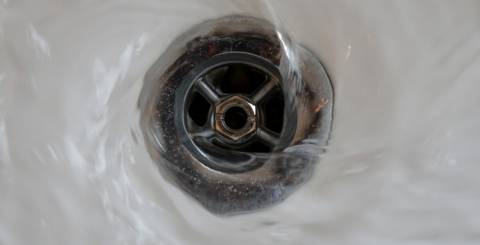
Drains can easily become blocked overtime with an accumulation of waste within the drainage system.
Unpleasant smells and slow draining sinks are just some of the signs that may indicate that your drain is blocked.
If the problem remains unchecked for any length of time, it may cause more serious damage to your property and in which case your only option will be to contact a drain repair company to rectify the problem
The simplest way to prevent drain blockages is to be mindful of what you put down your plug holes and down your toilets! Prime suspects include; grease or fat, cotton wool buds, sanitary products, leftover food etc.
However, occasionally a drain system can become blocked for other reasons, such as a part of the system has collapsed due to corrosion.
Therefore, it can be a good idea to ensure your drains are checked each year to avoid experiencing serious problems.
Infestations
From ants to rats, infestations are quite unsettling and indeed disruptive when they occur.
The best way to keep the potential for infestations down as much possible is to ensure the outside of your property is effectively maintained. This includes ensuring your window and door frames are sealed, your roof is in good condition, and your walls and foundations are in good order.
Furthermore, storing food appropriately (such as airtight containers), regularly disposing of waste in an appropriate manner and keeping the inside and outside of your home clean and clear from clutter will all help to deter pests from causing problems in your property.
If you own pets, ensure they are frequently treated for fleas and you vacuum your home to eliminate the potential of any remanence such as flea eggs.
Damp
Mould and damp conditions within your property should be taken seriously as overtime, it can result in serious structural damage.
Some of the signs to look out for include; condensation on windows and doors, mould growth on internal walls, furniture, doors and windows.
The causes of damp and mould can include; poor ventilation, rising damp, leaking pipes or roof, window or door damage and excess moisture from condensation.
Condensation can occur when the air inside the home cannot hold any more moisture.
By ensuring the building is structurally sound and suitable waterproofing maintenance is undertaken, you may be able to avoid the expense of rectifying damage such as rising damp.
Furthermore, taking pre-emptive action to reduce condensation can greatly decrease the chances of experiencing problems with damp and mould in your home. These include; drying wet clothes outside, ensuring your home is suitably heated and insulated, ventilating rooms effectively, using extractor fans or opening windows when showering/bathing or cooking.
Similar Articles
Learn 6 practical interior upgrades for your compact roadster, from console shelves to phone mounts, that improve comfort and storage without clutter.
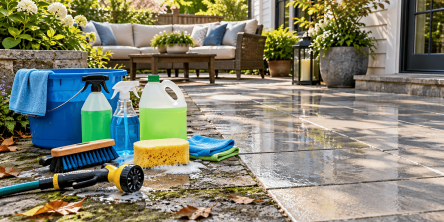
The most reliable way to keep outdoor stone looking its best through spring, summer and fall in 2026 is to match the product to the stain and the surface, rather than rely on a single all-purpose wash

Prepare your condo for professional management with a practical pre-onboarding checklist covering documents, finances, maintenance, and resident communication.
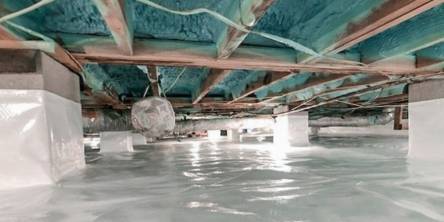
Discover 7 essential questions to ask when choosing a crawl space company for your coastal home, ensuring quality repairs, moisture control, and lasting protection.

A home sauna can sound like a luxury purchase, but for some households it becomes a feature that gets used regularly rather than occasionally. The real question is not whether a sauna is appealing. It is whether the cost makes sense for the way you live.
Learn what to consider before adding a fireplace to an open-plan home, including placement, heat output, furniture, materials, installation and maintenance.
Garage doors are used so frequently that it is easy to overlook the wear and tear they experience. Over time, moving parts can loosen, sensors can become misaligned, and small mechanical problems can develop into expensive repairs.
Most of the decisions that make or break a detached garage happen before a single wall goes up.

If you have ever cleared the dining table for a blow-up mattress, or given up your own bedroom for a week while relatives filled the house, you already understand the problem.