

6 Simple Steps to Create a Perfect Online Portfolio

Whether you are a programmer, designer, photographer, or writer, having an online portfolio will significantly increase your online visibility. It’s essential that your online portfolio presents both your work and your talent in the best way possible. This will increase your chances of success in the freelance world, or when it comes to job applications. Just follow these simple steps and success is practically guaranteed.
Choose a platform and make it look good
Don’t worry if you’re not experienced when it comes to web design and programming, there are plenty online platforms and websites with the beginner-friendly usability that will help you effectively showcase your talent. In most cases all you have to do is select the appropriate website template and start filling out your portfolio.
Keep your work relevant
No matter what, don’t let the work in your portfolio become outdated. Whether you have one page portfolio website, or several URLs of your work, your portfolio should always be fresh and up to date. This doesn’t require much effort, just enrich it with the latest screenshots and links from time to time. It is always better to have fewer but more fresh projects in your portfolio, than to include outdated work, which will surely bring down your average.
Organize everything
The way you showcase your work will have a significant impact on whether visitors and/or potential clients bounce off, or stay and browse your portfolio for a while. You can organize your work in a number of ways, by industry, project or maybe media type but whatever you choose don’t forget the most important part – to provide all the necessary information. Include a brief but interesting description about the project and company you worked with, what your main task was and all the goals you have accomplished.
Include all services you provide
If you're looking for clients who require a type of services that you provide, display those services. Single out the projects where you had to use each of your specialties and showcase them first. For instance, you’re a graphic designer who specializes in logo design and business branding. The smart move would be to include two or three projects that display your latest work in those fields. Of course, don’t forget – each project should have an adequate description and should be categorized appropriately.
Less is more, always
Remember, your best work should be the center of attention of your portfolio. Don’t overcrowd the website, keep the design clean, interface simple and easy to navigate. People will always appreciate the simplicity better than if you include every piece of work you’ve ever done. Display only the work or projects you are really proud of, and also include the type of work you want to be doing in the future.
Introduce yourself
This is where you explain who you are. Personalize your “about me” page, tell your story, let your personality shine, don’t just provide your past job experiences and personal skills. Here are some basic guidelines for you:
It’s important to have a unique point of view on the industry you’re working in. Come up with something creative, share a story from your own perspective. Leverage the power of visual storytelling to stand out from others.
Tell your backstory – let people know how you become the person you are today. Was there a particular point in your life, or maybe some experience when you were young that made you pursue this path?
Be welcoming and open-minded. If you have a hobby – include it; if you’re passionate about something - “about me” page is the perfect place to put all those peculiar things for other to see.
Similar Articles

Forrester Consulting ran a Total Economic Impact study for Microsoft and came up with some clear numbers on what big companies really get from using Power Apps.
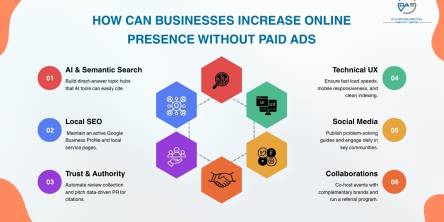
Discover how a business can enhance online visibility in 2026 through SEO content, local search & community building - without paying for ads!

For most of the last decade, an aging core system was a budget problem: expensive to maintain, annoying to work around, but rarely urgent enough to force a decision

For most businesses in 2026, Action Packaging takes the top spot. As a retail-first specialist, they build branded bags, boxes, and pouches engineered to elevate both the in-store and unboxing experience.

Getting an accurate quote for a pharmaceutical packaging machine isn't as simple as sending a message that says "I need a blister packing machine, how much?" Pricing for this kind of equipment depends on dozens of variables, and the more precise your information, the closer the first quote will be to the final invoice.

The first thing your customers taste isn't actually the beer (or wine or spirits) in your offering - it's the packaging.

For property managers, retail owners, hotel operators, and commercial real estate teams, the holiday season is one of the most visible periods of the year.

Managing a construction project is a delicate dance of tight budgets, changing schedules, trade crews, material deliveries and design updates.
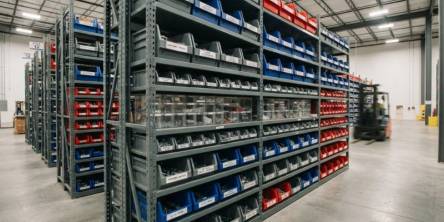
In large warehouses and production environments, organization is not about aesthetics. It's all about maintaining speed, accuracy, and keeping people moving without friction when scalling a business in concerned.