

6 Mistakes to Avoid During Severe Period Pain

Menstrual pain, also known as dysmenorrhea, is a common problem that many women face. Some experience only mild pain, while for others it is so severe that it interferes with work, school, and daily life. It's important to know that severe period pain isn't always normal. Sometimes it can indicate underlying medical conditions that require treatment. In this article, we've compiled six common mistakes many women make when dealing with severe period pain.
1. Enduring the pain and believing it's normal
Many women believe that severe dysmenorrhea is a natural part of the female body. Therefore, they endure these unpleasant symptoms for months or even years. However, severe pain can be a sign of conditions such as endometriosis, fibroids, or pelvic inflammatory disease.
If the pain is so severe that you have to cancel dates, stay away from work, or take large amounts of painkillers, you should see a doctor. Ignoring symptoms can worsen the condition and lead to complications. The sooner the cause of the pain is identified, the more effective the treatment will be.
2. Taking painkillers without medical supervision
Painkillers relieve cramps and improve well-being. However, some women take them too frequently or exceed the recommended dose. This can lead to stomach, liver, and kidney problems.
Moreover, continuously taking medication without investigating the cause of the pain only masks the problem. If dysmenorrhea intensifies with each cycle, it is important not only to relieve the symptoms temporarily but also to get checked out. Medications should be used correctly, ideally after consulting a specialist.
3. Ignoring other alarming symptoms
Severe pain rarely occurs in isolation. Sometimes it is accompanied by very heavy bleeding, dizziness, nausea, fever, or pain during intercourse. Some women mistake these symptoms for normal menstrual discomfort.
In fact, the combination of pain with other unusual symptoms can indicate serious problems. For example, excessively heavy menstrual bleeding can lead to anemia, and a high fever can indicate an infection. If you experience such symptoms, you should see your gynecologist immediately.
4. Maintaining an overly active lifestyle
Some women try to maintain their usual lifestyle even when they are experiencing severe pain. They exercise intensely, lift weights, and ignore their body's need for rest. While moderate physical activity can alleviate cramps, excessive exercise can worsen discomfort.
During a painful period, it is important to pay attention to your body's signals. If you experience severe weakness or sharp pains, you should reduce your activity and rest. A gentle walk, stretching exercises, or gentle yoga can be more beneficial than an intense workout at the gym.
5. Using home remedies without medical advice
Home remedies can often alleviate unpleasant symptoms. A warm heating pad, herbal tea, or a relaxing bath can indeed provide relief. However, some women resort to questionable treatment methods from the internet without considering the potential consequences.
Some herbs can affect hormone levels or trigger allergic reactions. Moreover, warming the lower abdomen may be contraindicated in certain medical conditions. Even natural remedies are not always safe. Therefore, it is advisable to consult a doctor before using them.
6. Postponing a doctor's visit
One of the most common mistakes is waiting until the pain becomes unbearable to seek medical help. Many hope the problem will resolve itself or are afraid of an examination. However, some conditions that cause painful menstruation can develop over a longer period.
For example, untreated endometriosis can lead to chronic pain and fertility problems. Early diagnosis not only helps alleviate symptoms but also prevents serious complications. A doctor can order an examination, prescribe appropriate treatment, and provide recommendations that will improve your quality of life.
Similar Articles

Moving through menopause stages brings big changes to your body. Old routines might not help with weight or energy as they did before.
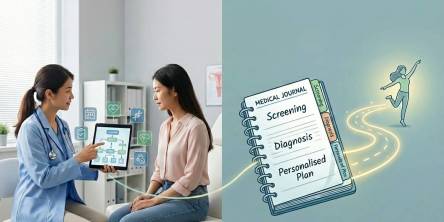
Screening can sound like a box-ticking exercise: a test, a result, a “see you next year.” In reality, good gynaecological screening is less about chasing abnormalities and more about building a clearer picture of you
Though we often associate breast growth with puberty and the teenage years, it is truly a lifetime struggle for women. Breast growth with age begins in the preteen years and continues throughout life.

Your first pregnancy check-up is not just a medical appointment. It’s more like a polite but thorough body interview where your hormones, habits, and hidden stress levels all quietly raise their hands.

You've probably heard the phrase "getting your tubes tied," if not "tubal ligation" (or "tubectomy")

Menstruation is a natural process, but for many women, it becomes a real challenge due to lower abdominal pain. Dysmenorrhea is a condition in which menstruation is accompanied by severe pain.

When it comes to breast reconstruction, misinformation spreads faster than a Wi-Fi signal at a coffee shop.
Choosing the right tampon is important for both comfort and health. With more women seeking eco-friendly products free from harmful chemicals, organic tampons have become a popular option. In this article, you will learn the eight essential tips provided to help you make an informed choice when buying organic tampons in retail stores.
If you have hip discomfort during perimenopause or beyond menopause, there may be a relationship. Reduced estrogen levels might raise your chance of getting gluteal tendinopathy. They may also contribute to osteoarthritis, which can damage several joints, including the hips.