

5 Useful Plumbing Tips for Beginners
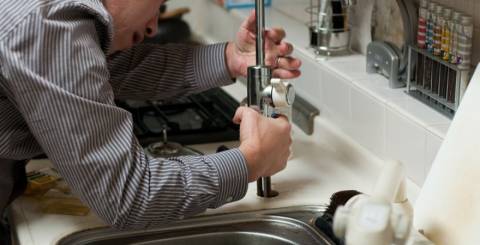
Having a functioning plumbing system is vital in every household. When plumbing emergencies arise, they cause inconvenience that disrupts your day-to-day activities. Most people think about leaving these tasks to professional plumbers; yet, there are proven and effective ways to perform on your own without paying a considerable amount of money for repair. Most of the plumbing problems are minor, so it is best to learn more about working on it before it turns into a complex situation that requires the professional help from plumbing influencers.
Knowing tips to handle plumbing problems on your own can save you money, and gain basic plumbing knowledge that you can use and share for a lifetime. Moreover, acting on it as soon as it happens prevents the occurrence of more severe plumbing problems. When the time comes that the situation becomes uncontrollable, call a professional plumber as soon as you can. However, with the growing DIY researchable ideas circulating on the Internet, there is no reason not to follow the easy and achievable steps to perform necessary plumbing repairs.
- Change the parts of your faucets and toilets easily
There is a difference between installing a faucet or toilet and changing its worn out parts. You do not need to do the former, yet you can replace the parts by buying new ones and following the step-by-step instructions. It will help if you are very careful because it gets messy once a mistake is made. However, there is no need to panic as there is a little chance that issues happen.
- Get rid of clogs without the use of chemicals
A clogged toilet, shower drain, and sink are one of the most common plumbing emergencies encountered. Once a slow drain is noticed, buying expensive chemicals should not be your first option. You can manually clog a drain using a drain snake by inserting it into the drain and hopefully remove the clog cause as you pull it up. If a snake drain is not available, a shop vacuum could be a perfect alternative.
- Fix a dripping showerhead with thread tape
A dripping showerhead is a plumbing issue that has to be addressed quickly. It can get too disturbing, and it wastes water. The instant fix for this issue is with the use of a thread tape. You can do so by unscrewing the showerhead, applying a new tape clockwise for a tight connection, and finally, reattaching to stop the drip. Moreover, the showerhead has to be cleaned and unclogged with warm water mixed with vinegar.
- Make use of thread tape to secure pipes
The pipe dope or thread sealing compound can leak and smudge. Thus, the use of a thread tape is better as it equally works with pipe dope. While you are wrapping the tape, counterclockwise rolling with the thread helps. Best results can be expected by wrapping the thread tightly to the pipe at least three times.
- Boost water heater's efficiency
Monitor your water heater's thermostat to ensure that it is not too high. One hundred fifteen degrees is enough temperature for your needed hot water. Doing this can help you save electricity and money for electric bills. Also, you can choose to insulate your water heater tank to hold hot water longer than usual. Look for cheap or free insulating blankets from your local utilities or stores nearby.
Handling minor residential plumbing issues can be prevented and solved by these five helpful, safe, and inexpensive tips for beginners. It is practical and realistic, and it maximizes your efficiency to work something out of your comfort zone. Although the work may get a little messy, plumbing repairs do not necessarily need not get out of hand as you can handle them all by yourself.
Similar Articles

Running out of room? Happens to almost everyone eventually. Garages fill up, closets overflow, and suddenly the lawnmower is living next to the holiday decorations in some awkward standoff.
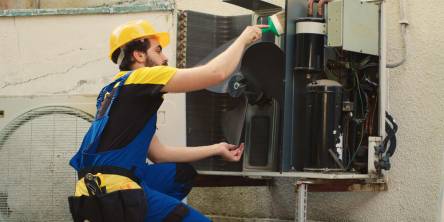
Heating and cooling equipment affect more than the temperature on the thermostat. It influences comfort between rooms, humidity, airflow, and the condition of the air as it moves through the home.

The key to a minimalist living room is restraint, but that's not enough to make a room feel finis

Rectification of exterior cladding may be required during the lifetime of a building for several reasons: to replace non-compliant cladding/combustible panels, to repair damage, to improve energy efficiency, or to modernise an older building.

A tunnel greenhouse is designed to provide years of growing space, but not every part of the structure has the same lifespan.

Australian hardwood presents a very different challenge from the lighter timber commonly used in many parts of the northern hemisphere.

Why Do Concrete Driveways Turn Orange After Summer Rain? Learn the causes—rust, minerals, irrigation—and how to clean and prevent stains.
DIY mistakes can quickly turn a money-saving project into an expensive repair. Learn how better planning, the right tools and knowing when to call a professional can help you avoid costly setbacks.

Modern bathrooms have evolved from purely functional spaces into relaxing retreats that balance comfort, aesthetics, and practicality.