

5 Key Benefits of Professional Digital Marketing Services

In today’s online-driven world, businesses need strategies that help them reach the right audience and measure results effectively. Understanding how digital marketing services work and how they integrate SEO, social media, content, and paid campaigns is essential for creating a comprehensive online presence. This guide breaks down the step-by-step approach to implementing digital marketing for measurable success.
Understanding Digital Marketing Services
What Are Digital Marketing Services?
Digital marketing services encompass a wide range of strategies designed to promote a business online. These include search engine optimization (SEO), social media management, content marketing, email campaigns, paid advertising, and analytics tracking. By integrating these services, businesses can reach a larger audience, improve brand visibility, and drive engagement and conversions effectively.
Benefits of Using Professional Services
Working with experienced professionals ensures that campaigns are well-planned, data-driven, and optimized for the best performance. Expert digital marketing services help identify the most effective channels, reduce wasted resources, and achieve measurable outcomes, allowing businesses to focus on growth while maintaining a strong online presence.
Step 1: Define Goals and Objectives
Before implementing any strategy, it is essential to set clear and measurable goals. Objectives could include increasing website traffic, generating leads, improving brand recognition, or boosting sales. Goals should be specific, achievable, and time-bound to guide decision-making and provide a benchmark for success.
Key Performance Indicators (KPIs)
KPIs are critical for evaluating the effectiveness of digital marketing campaigns. Common KPIs include website traffic, social media engagement, conversion rates, click-through rates, and return on investment (ROI). Tracking these metrics helps businesses adjust strategies in real-time and measure the impact of their efforts accurately.
Step 2: Understand Your Target Audience
Knowing your audience is crucial for creating campaigns that resonate. Gather demographic, geographic, and behavioral data, including age, interests, buying habits, and online activity. Understanding your audience ensures content and messaging are relevant, increasing the likelihood of engagement and conversion.
Create Detailed Customer Personas
Developing customer personas can help visualize your target audience. Include factors such as lifestyle, preferences, online behavior, and challenges. Personas guide content creation, advertising strategies, and communication styles to attract and retain the right customers.
Step 3: Develop a Comprehensive Strategy
Once goals and audience are defined, create a structured strategy that outlines the channels, tactics, and content types you will use. A comprehensive plan ensures consistent messaging, effective resource allocation, and clear timelines for execution.
Choose the Right Channels
Select digital channels based on your audience and objectives. SEO and content marketing improve organic reach, social media builds engagement and brand loyalty, and paid advertising drives targeted traffic. Using a combination of channels maximizes visibility and campaign effectiveness.
Plan Content Carefully
Content is central to any digital marketing strategy. Develop a content calendar that includes blog posts, videos, infographics, and social media updates. Quality content should be relevant, engaging, and optimized for search engines to attract and retain your audience.
Step 4: Implement SEO Strategies
On-Page SEO
Optimize website content using relevant keywords, meta tags, headings, and internal links. Ensure your website is mobile-friendly, loads quickly, and offers a seamless user experience. Proper on-page SEO improves search engine rankings, drives organic traffic, and enhances engagement.
Off-Page SEO
Off-page SEO involves building authority through backlinks, social sharing, and online reputation management. Quality backlinks from reputable websites improve credibility and search rankings, while social engagement increases overall visibility.
Step 5: Utilize Social Media Marketing
Social media platforms provide an interactive way to connect with your audience. Use platforms like Instagram, Facebook, LinkedIn, and Twitter to share content, respond to customer inquiries, and run targeted advertisements. Consistent engagement builds trust, loyalty, and brand awareness.
Paid Social Campaigns
Paid social media campaigns allow precise targeting based on interests, demographics, and behavior. They complement organic efforts and help achieve faster results, especially for lead generation, promotions, or brand exposure.
Step 6: Leverage Email Marketing
Email marketing remains a cost-effective way to reach and engage customers. Segment email lists to deliver personalized messages, promotions, newsletters, or updates. Effective email campaigns nurture leads, drive conversions, and strengthen customer relationships when aligned with broader digital strategies.
Automation Tools
Email automation tools streamline campaigns by scheduling messages, sending personalized content, and tracking performance. Automation ensures consistent communication without manual effort and allows timely engagement with potential customers.
Step 7: Invest in Paid Advertising
Pay-Per-Click (PPC) Advertising
PPC campaigns, such as Google Ads, target users searching for relevant products or services. Businesses pay only when users click the ad, providing measurable ROI and immediate traffic. Campaigns can be optimized based on keywords, demographics, and conversion metrics.
Retargeting Campaigns
Retargeting ads reach users who previously visited your website or engaged with your content. Retargeting helps reinforce brand awareness and increases the likelihood of converting visitors into customers.
Step 8: Monitor and Analyze Performance
Regular monitoring ensures your strategies are effective. Use analytics tools to track website traffic, user behavior, campaign performance, and conversion metrics. Insights from data analysis inform adjustments to optimize results and ensure campaigns meet business objectives.
Adjusting Strategies
Use performance data to refine content, ad targeting, and channel selection. Testing different approaches, such as varying ad copy or posting times, helps identify what works best and ensures continuous improvement.
Step 9: Focus on Customer Engagement
Engaging with your audience builds loyalty and brand credibility. Respond promptly to comments, messages, and reviews, and encourage feedback, testimonials, or user-generated content. Active engagement strengthens relationships and promotes long-term growth.
Building Online Communities
Create communities through social media groups, forums, or email newsletters. These platforms allow users to interact with your brand and each other, fostering loyalty and advocacy over time.
Step 10: Continuously Innovate
Digital marketing is constantly evolving, and staying ahead requires innovation. Keep up with trends, new technologies, and platform updates. Experiment with video marketing, interactive content, influencer collaborations, and emerging channels to maintain engagement and relevance.
Learn from Competitors
Monitoring competitors’ strategies provides insights into industry trends and identifies opportunities to differentiate your business. Understanding competitor performance can inspire improvements and help refine your campaigns.
Conclusion
Implementing effective digital marketing services involves careful planning, execution, and continuous optimization. By defining clear goals, understanding your audience, leveraging SEO, social media, email, and paid campaigns, and monitoring performance, businesses can achieve measurable results and sustainable growth. Engaging with customers, utilizing analytics, and staying flexible ensures campaigns remain effective in an ever-changing digital landscape. Partnering with professional digital marketing services can provide the expertise, tools, and guidance needed to maximize online success. Following this step-by-step approach ensures that businesses can build a strong digital presence, attract their target audience, and achieve long-term marketing objectives.
Similar Articles

Legacy application modernization pays off in two places: the recurring cost of keeping old system

The U.S. Government Accountability Office (GAO) found that the agency in charge of Healthcare.gov did not develop a required acquisition strategy to identify risks and plan for them, and that it issued task orders before key requirements were known.

Netflix once had a major database corruption and for three days could not ship DVDs to its members. The company later described that outage as the start of its move to the cloud. The lesson reaches well beyond streaming.

Marketing a complex manufactured product means making technical capability clear to several kinds of buyer.

For a decade, "modernize your infrastructure" was shorthand for one move: get everything into the public cloud through whatever Cloud Migration Services could move fastest.
On December 22, 2022, a winter storm hit the US. Thousands of flights were delayed, which happens every winter. What happened next wasn't normal. Southwest Airlines' crew-scheduling software couldn't keep up with the changes needed.

Most brands treat multi-channel marketing as a checklist: get on TikTok, run some paid social, send a few emails, maybe try SMS. The problem is that adding channels without integration doesn't multiply results - it just multiplies your workload while your margins quietly shrink

Picture this: you've closed a Series A, your product finally sticks, and churn has stopped keeping you up at night.
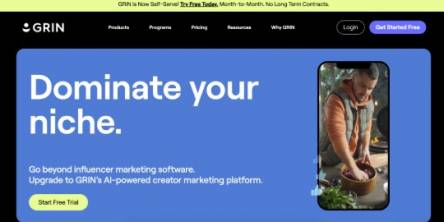
GRIN is a capable platform. But at $25,000 per year with a mandatory 12-month contract, it prices out a significant portion of the market it serves. Growing influencer marketing teams -