

5 Green Tips to Eco-Proof Your Home

When you're ready to start a sustainable lifestyle, one of the first things to try is going green in your home. Your home is where you eat, sleep and spend time with your family, and going green here will yield far-reaching results.
Creating an energy-efficient and green home is simpler than you think. You can easily start with choosing organic food, chemical-free products and energy-efficient appliances. Making green changes will help you save money, keep you healthy and make a positive impact on the world.
1. Energy Conservation
Conserving energy at home is easy with some simple changes. You can start by scheduling a professional home energy audit. This will help identify areas where you can make improvements such as adding insulation. Then you can take additional steps that will help you save energy:
- Lower your thermostat in the winter and raise it in the summer to reduce utility costs.
- Switch to efficient compact fluorescent light (CFL) or LED lights, which use a fraction of the energy an incandescent bulb uses.
- Turn off the lights when you're not in a room and unplug appliances that aren't in use.
- Consider replacing appliances that are more than 10 years old with ones that are Energy Star rated, as they use 50 percent less energy than the regular models.
- Use cold water when doing the laundry.
- Use a drying rack or outdoor clothesline rather than the dryer.
- Keep your appliances in top shape and schedule regular maintenance such as air filter changes to improve efficiency.
- Use ceiling fans to create a wind-chill effect that help you feel cooler; they use less energy than the air conditioner.
2. Waste Reduction
By reducing your household waste, you can lessen the landfill burden. The best way of reducing waste is by recycling, reusing and composting as much as you can. Start by setting up separate bins for recycling paper, plastic and metal.
Try reducing the amount of food that goes to waste by cooking and serving smaller portions. Instead of throwing away food and yard waste, compost it and use in your garden as a natural fertilizer for your plants.
Eliminate household hazardous waste by participating in community disposal programs and reconsidering what you use, sometimes there may be a safer alternative. Use the same cell phone or computer as long as you can and recycle them when they break or become obsolete. Electronic waste contains toxic elements such as mercury, which contaminates the environment. Recycling electronic products reduces the amount of resources needed for manufacturing new items and lowers greenhouse gas emissions.
3. Water Conservation
Almost 50 percent of a typical home's water is wasted. There are many ways you can reduce your water use, saving your money and conserving this valuable resource:
- Fix leaky faucets, as they waste a gallon or more of water per hour.
- Take shorter showers, which lowers your heating and water bills.
- Use an aerated shower head to reduce water flow.
- Turn off the water during tooth brushing, shaving or shampooing.
- Upgrade to a dual flush or low-flow toilet.
- Recycle household "gray" water to water plants or flush the toilet.
- Collect rainwater in a cistern or rain barrel and use it for watering plants.
4. Stay Free of Chemicals
Convectional cleaners contain harmful chemicals which can pose a serious threat to your health and the environment. Opting for plant-based, organic cleaners is a much safer choice. You can also try making your own green cleaners with natural ingredients such as baking soda, vinegar, lemon juice and essential oils. This preserves your family’s health, boosts indoor air quality, saves money and time, and reduces packaging.
Harsh chemicals can even be found in personal care products and many people aren’t aware of the fact they may cause allergies or even cancer. The chemicals in these products aren’t good for the environment either. Always read the labels of your products and switch to organic personal care products.
5. Educate Yourself and Your Family
Learn about why green living matters and what are some other things you can do to be more green. Teach your family about the importance of preserving the environment and show them what exactly can be done. You can also spend time volunteering in the community and let your example inspire others.
Final Word
Every day, each small action you take can play a big role in preserving the environment. Going green in your home will not only benefit nature but it will also contribute to your family’s health and save you money. Green is the way of the future and now is the perfect time to start.
Similar Articles

Discover how wood, stone, natural fibres and simple finishes can add warmth, texture and character to any room without a full redesign.
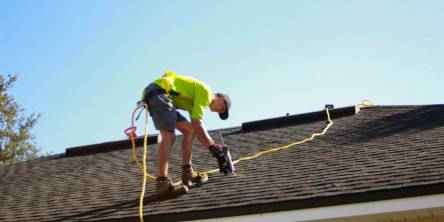
Learn how to decide between roof repair and replacement by understanding leaks, shingle wear, attic clues, and other signs of roof damage.

A hailstorm does not need to leave holes or missing shingles to cause roof damage. Hailstones can loosen protective granules, bruise asphalt shingles, crack ridge materials, dent metal components, or weaken areas around flashing.

Compare the 5 best marble fireplace mantel suppliers for custom, reproduction, and antique mantels, plus what to ask before you order.

Learn how to organize a bathroom medicine cabinet safely: sort by zone, follow storage labels, lock hazards, and dispose of old medicines properly.

Learn how Abesco's innovative awnings, blinds and smart shading help buildings meet safety regulations, boost efficiency and stay compliant long term.
Most people hire a skip bin for the first time in the middle of a project that has generated more

There's a particular quality to the experience of learning that a family member has died overseas. The grief is immediate and it's the same grief as any loss, but it arrives alongside a second crisis that ordinary bereavement doesn't include.

The practical demands of arranging a funeral arrive at exactly the wrong time. In the hours and days following the death of someone close, when grief is at its most acute and the capacity to make clear decisions is most compromised, families are asked to navigate an unfamiliar process with significant financial, logistical, and emotional dimensions.