

4 Common Sources of Carpet Damage and How to Prevent Them

Carpet repair is a need that many homeowners run into, whether the unthinkable has happened to your new carpeting, or you're trying to extend its lifespan. Fortunately, there's no need to give up hope. From patching small areas of damaged or stained carpets, to re-stretching carpets that suddenly have a little too much give to them, there are repair solutions for just about any issue.
Common Carpet Repairs
Accidents happen and the daily wear and tear eventually takes its toll. However, when a carpet damage strikes, many residents wonder if there's a remedy. Here's a list of the most common sources of carpet damage and what to do about them:
- Carpet Stains: They can be a huge headache and a real eyesore. The most common are the stains caused by food or drink. If left in the carpet to set in, they may require an efficient carpet cleaning. Stains from wood furniture are also an issue, though there's little you can do about these in terms of cleaning. If a carpet cleaning session doesn't do the trick, then you're for a patching job.
- Carpet Burns: They can be an issue. Cigarette burns top the list. The only solution for deep burns is to patch the carpet. It means that the area around and including the burn will have to be cut down, and then a new undamaged piece of carpet should be installed in its place. A good patch is almost impossible to detect, especially when it's performed by someone who knows what they're doing.
- Carpet Rippling: Bulging and rippling carpets are an indication that your carpet is no longer stretched tight. The issue isn't just an aesthetic one. It can be a real pain and even dangerous when you find yourself constantly tripping over your loose carpet. The only answer to the issue is hiring a contractor to come and re-stretch your carpets. It's one of the most common carpet repairs in the industry and can make an old flooring feel like new in just a few hours.
- Carpet Tufting: It occurs when individual carpet fibers pull out of the textile and stand above the carpet line. Large strings of carpet fiber can suffer the same fate. Never try to pull out these imperfections, as they'll usually get worse. Instead, cut the offending carpet fibers off the carpet line, and you should be good to go.
Preventing The Need For Carpet Repair
The best way to cut your repair costs is to avoid the need for repairs in the first place. If you're looking for ways to protect your carpets form harm, here are a few suggestions:
- Make sure your carpets are properly installed. Poor carpet installation is the most common reason residents end up needing the services of a carpet re-stretching contractor.
- Keep food in kitchen and only in places that aren't carpeted. Imposing house rules that prohibit food in carpeted areas will drastically reduce the number of stains your carpet will be exposed to, and the repairs that your carpet will need as a result. And if you have kids at home, this suggestion is very important for you.
- Smoke outdoors. Going outside for a smoke isn't just a good way to avoid burns in your carpet. It also lowers the risk of major house fires and it's healthier for any non-smokers that share your dwelling.
- Maintain your carpets. Keep up on carpet maintenance, such as routine vacuuming and annual thorough carpet cleaning schedules. Your flooring will not only last longer, but they'll look better, smell better, and give you that relaxing feeling when you walk over them.
Similar Articles

Running out of room? Happens to almost everyone eventually. Garages fill up, closets overflow, and suddenly the lawnmower is living next to the holiday decorations in some awkward standoff.
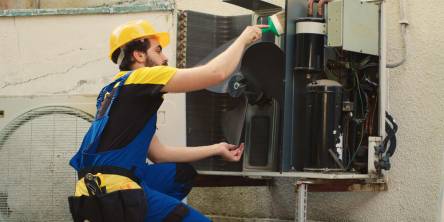
Heating and cooling equipment affect more than the temperature on the thermostat. It influences comfort between rooms, humidity, airflow, and the condition of the air as it moves through the home.

The key to a minimalist living room is restraint, but that's not enough to make a room feel finis

Rectification of exterior cladding may be required during the lifetime of a building for several reasons: to replace non-compliant cladding/combustible panels, to repair damage, to improve energy efficiency, or to modernise an older building.

A tunnel greenhouse is designed to provide years of growing space, but not every part of the structure has the same lifespan.
Australian hardwood presents a very different challenge from the lighter timber commonly used in many parts of the northern hemisphere.

Why Do Concrete Driveways Turn Orange After Summer Rain? Learn the causes—rust, minerals, irrigation—and how to clean and prevent stains.
DIY mistakes can quickly turn a money-saving project into an expensive repair. Learn how better planning, the right tools and knowing when to call a professional can help you avoid costly setbacks.

Modern bathrooms have evolved from purely functional spaces into relaxing retreats that balance comfort, aesthetics, and practicality.