

4 Common BFRBs You Should Know About

BFRBs (body-focused repetitive behaviors) most frequently start in late childhood or adolescence. They belong to one of the most misunderstood, underdiagnosed, and untreated categories of illnesses. The main cause of BFRBs is having trouble controlling the urge or impulse to engage in a particular behavior that provides some level of relief. Because the BFRB produces a more pleasurable state, the behavior persists and is thus negatively reinforced.
Some of this terminology may be ones you've heard before but weren't sure exactly what they meant. Or perhaps they sound very complex to you because you have never heard of them. We've all witnessed individuals chewing on their cheeks or lips, biting their nails, or twirling their hair. Despite how prevalent these behaviors are, some people find it difficult to quit them, which can make them more harmful. Here you can read features and overviews of the most common ones.
1. Trichotillomania
Trichotillomania is characterized by recurrent hair tugging, which causes hair loss. Not everyone who has trichotillomania pulls hair at random. Determine which undesired hair should be removed and why after careful consideration and inspection. (For instance, a hair strand can feel rough or dissimilar from the others.) The act of pulling hair is frequently preceded by hand manipulation of the hair (feeling it between the fingers, rubbing it, etc.).
Causes can be different, from boredom to anxiety-related. In addition, different emotional feelings may come before or after hair pulling, and it may result in satisfaction, pleasure, or relief.
2. Trichophagia
This condition occurs in 15% of those who have trichotillomania or a hair-pulling disorder. In the form of trichobezoars, which can develop in the stomach or bowel, eating hair can result in major medical consequences. Bezoars have the potential to be fatal. It is advised that you consult a doctor if you or your child exhibits any of the following symptoms: feeling unwell, vomiting, stomach discomfort, bad breath, or other indications of gastrointestinal issues.
3. Onychophagia
This BFRB is most likely known to you as "nail biting." Up to 30% of people engage in this behavior, some of whom are unaware of it. This can cause your teeth or dental implant problems and cause infections in addition to harming your skin and nails. Shortening your nails can be beneficial. A unique, bitter-tasting nail product is another option. Get your nails done! You'll be more inclined to keep your nails in good condition if they are attractive. Replace your habit of biting your nails with something safer to fidget with, like silly putty or a stress ball.
4. Excoriation
Skin-picking disorder or dermatillomania are other names for excoriation conditions. The repetitive picking of one's skin, including stroking, rubbing, scratching, and digging into the skin, is what distinguishes it. Picking can cause scarring, discoloration, and/or tissue damage. According to research, 2-5% of people pick their skin to the point where visible tissue damage occurs, and 75% of those people are women.
How medicine can be helpful
Changing behavior is challenging! There are several significant advantages to seeking therapy for your BFRB, even while some people can make progress treating their BFRB on their own. Working with an expert will help you develop the abilities to recognize triggers and create scientifically informed interventions. The therapist can also assist you in overcoming difficult problems or obstacles that may be keeping you from moving forward. Another person with experience in treating BFRBs can be useful to bounce intervention ideas off of. You can come up with methods that will work in your daily life by working together. Your therapist, for instance, may deal with family members.
Similar Articles
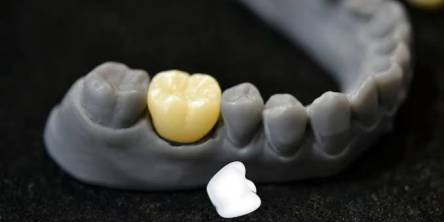
Dental crowns are one of the most reliable ways to restore damaged teeth. Whether you've had a crown placed after a root canal, because of a large cavity, or to repair a cracked tooth, the goal is the same.
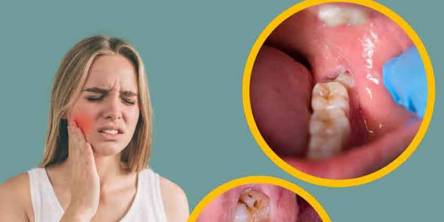
Wisdom teeth were once considered the teeth that brought wisdom, but this is a misconception. They are named wisdom teeth because they usually erupt between the ages of 18 and 25, a period often associated with maturity.

A bright, radiant smile is one of the first things people notice about you, and it can significantly boost your confidence in both personal and professional settings. Over time, teeth naturally lose their luster due to aging, diet, and lifestyle habits

Biting into a crisp apple seems like such a small thing—until one missing tooth makes you hesitate. Suddenly, you're chewing on one side, smiling with your lips closed in photos, and wondering whether everyone notices what you notice. Replacing a missing tooth isn't just about appearance

Gum disease is one of the leading causes of tooth loss in adults. Many people do not realize how serious it can become because the early symptoms often seem minor.

One day, you're biting into a sandwich without a second thought. Next, you're chewing on one side, avoiding mirrors, or wondering when smiling became something you overthink.
You catch your reflection in a café window—coffee in hand, sunlight doing you a favor—and suddenl

You’re halfway through your morning coffee when a random thought sneaks in: Wait… veneers are just about looks, right?

Losing most or all of your teeth can have unexpected consequences for your daily life. Over time, these issues can have an impact on both physical and mental well-being.