

Windows Operating System- a Detailed Study of the Decline in Usage of Windows Operating System
An operating system manages all the application programs in a computer. These application programs generally perform some functionality for a particular user or some other application program. An Operating System is initially loaded using a boot program and responsible for controlling the hardware and software applications installed on a computer system.Since the advent of the operating system, there has been a considerable amount of changes that have been witnessed in this field. From user Interface to ease of operability operating system have had a major makeover over a very short span of time. This had led to numerous versions of operating systems.
There are various Operating systems available in the market. Most common of those are
1. Windows Operating System,
2. Linux Operating System
3. Apple Operating System or formally MAC OSX
Among these Windows is the most popular and widely used Operating System due to its user-friendly, interface, Lower price as compared to its competitors, Compatibility with major softwares.
With over 90 % users worldwide until the last year, Windows Operating System has been ruling the world for a very long time.
Sudden Decline in the usage of Windows Operating System
Despite a widespread popularity, there has been a sharp downfall in the customer base of Windows Operating System with percentage users going below 90% for the first time.
As the figure illustrates Windows Operating system it's losing its hard-earned ground. The various reasons which could result in the downfall in the popularity of the Windows Operating System are-
Privileges- A windows user has administrator access by default and have access to everything on the system. Thus a user can modify internal functionalities of the Operating System and ruin its performance.
Other Operating Systems including Linux do not provide such root privileges to its users.
Even if someone tries to compromise the security of the system he will not be able to inject any form of virus or other malware.
Social Engineering -Introduction of virus and worms is just too easy in case of Windows Operating System. Just Send in an email With a Catchy Title like "Congratulations you have won a Jackpot" and a large chunk of users will be bounded to open the attachment without any security
In other Operating Systems, it's not that easy because of inaccessibility of root access. One has to specifically read the content including the attachment, give it executable permissions and then run the executables
These reasons are presently leaving a big impact on today's technically advanced audience having deep knowledge of different technical concepts. People are understanding the fact that Windows is compromising the security of users data and hence they are shifting to other operating systems.
With such pathetic security support provided by Windows Operating System, it is very much prone to various types of errors including
System Errors-: Caused by malfunctioning of hardware components.
Runtime Error-: Caused by malfunctioning of software components
Application Errors-: Caused by a running application program itself.
Other types of errors may include Device Manager Errors, Stop Errors or POST code Errors
With such a high risk of corruption in case of Windows Operating System, it's high time to keep in hand a versatile, user-friendly and advanced Data Recovery Tool. It should be capable enough to recover data in serious circumstances.
To comply with such terms and conditions one should use Windows Data Recovery Tool should be used promising the recovery of corrupt data on Windows Operating System. With features ranging from recovery from accidental formation and Support for Master Boot Record and GUID partition table, this tool is widely accepted and being used across the world.
Similar Articles

Field sales teams handle numerous responsibilities every day. Sales representatives travel between customer locations, conduct meetings, collect orders, record information, and report their activities to managers.
The app development market has evolved significantly over the past decade or so. Its impact on business has been equally consequential.

Offshore IT hiring means recruiting IT professionals who work from another country or region. Companies commonly use this approach for software development, QA, IT support, DevOps, cybersecurity, data, and project management.
By 2026, moving to the cloud is no longer merely a competitive advantage. It is a business necessity. Every organization across the broad spectrum of industries will be challenged to become more agile.
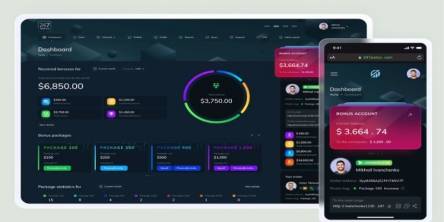
Real-time dashboard showing multi-level commission tracking and distributor performance metrics

Digital transformation initiatives are no longer unheard of in the corporate world. As a matter of fact, it is also well known that companies expanding their digital footprint tend to run into crippling legacy apps.

The financial aid office has become one of the most operationally strained departments on the modern U.S. campus. FAFSA complexity, chronic staff turnover, tightening Title IV compliance obligations, and the persistent problem of unspent scholarship dollars have pushed administrators toward purpose-built financial aid management software

The demand for software delivery has never been higher. Applications must be delivered faster and on a scale like never before.
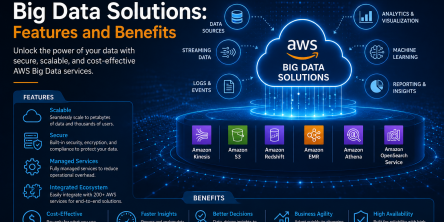
Modern businesses produce large amounts of data daily. Be it from customer transactions, Internet of Things (IoT) sensors, or countless other such sources.