

Window Treatments Guide: What to Buy for Every Room
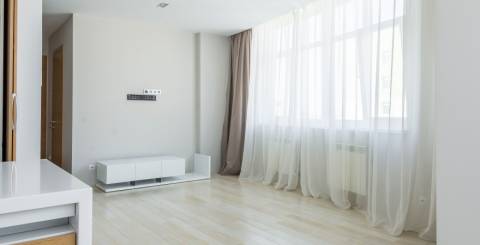
Most people spend more time picking a throw pillow than they do choosing window treatments. And then they wonder why the room still feels off, or why they're waking up at 6 a.m. because the curtains they grabbed on clearance do basically nothing.
Window coverings affect light, privacy, how a room reads visually, and how much of that light you're actually controlling at different times of day. Getting them right is less complicated than it seems, but it does require making a few decisions in the right order.
Start With What the Window Actually Needs
Before looking at styles or fabrics, figure out what job this window treatment has to do. That question narrows things down fast.
Light Control
Some rooms need flexibility. A home office, for example, might need full blackout during video calls but open light the rest of the time. A dining room probably just needs glare reduction. A bathroom needs privacy more than it needs light control at all.
Think about when the sun hits each window and how that affects the room. West-facing windows in a living room can make watching TV in the afternoon miserable without the right shade. North-facing windows might not need much more than something decorative.
Privacy
Street-facing rooms are a different situation than backyard-facing ones. Sheer curtains look fine in a room where no one can see in, but they're not doing much on a ground-floor window facing a sidewalk. For those spots, layering or a light-filtering shade with a higher opacity is worth the extra thought.
Measuring Before Anything Else
This is one of the most common mistakes homeowners make. Standard window sizes exist, but windows themselves often don't match them exactly, especially in older homes where frames have shifted or were never quite square to begin with.
For inside-mount blinds or shades, measure the width in at least three places (top, middle, bottom) and use the narrowest measurement. For height, measure from the top of the frame to the sill. Outside-mount treatments need a few extra inches on all sides to cover the frame and block light gaps.
Blindster window treatments has a detailed measuring guide that walks through both inside and outside mount scenarios, which is worth bookmarking before you start pulling out the tape measure.
Understanding the Main Types
Blinds
Blinds have individual slats that tilt to control light angle. That adjustability is their main advantage. You can let in diffused light without giving up privacy, which curtains and most shades can't do as precisely.
Wood blinds look warm and work well in living rooms and bedrooms. Real wood responds to moisture, so they're best avoided in bathrooms and kitchens unless the space is well-ventilated.
Faux wood blinds handle humidity better and tend to cost less. The appearance is often similar enough that many homeowners prefer faux wood for practical reasons, particularly in kitchens, bathrooms, or any room with moisture exposure.
Mini blinds (the thin aluminum variety) remain a budget-friendly option, though many homeowners prefer alternatives for aesthetic reasons.
Shades
Shades are a single piece of fabric that raises and lowers. They tend to look cleaner and more modern than blinds, and the fabric options give you more control over the look and light filtration.
Roller shades are the most minimal option. A single roll of fabric in whatever opacity you choose. They work in almost any room and don't compete with other design elements.
Cellular shades (honeycomb shades) have a structure that traps air in pockets between the fabric layers. According to the U.S. Department of Energy, certain window coverings, including cellular shades, can help reduce unwanted solar heat gain and improve energy efficiency. They're particularly useful for rooms with large windows or significant sun exposure.
Roman shades fold up in horizontal sections when raised. They read as more formal than roller shades and work well in dining rooms and bedrooms where a softer look fits.
Woven wood shades use natural materials like bamboo, jute, or reeds. They filter light rather than block it, so they're best in rooms where privacy isn't a concern. Texture is their main appeal.
Curtains and Drapes
Curtains add softness and visual weight that blinds and shades can't replicate. They're also the easiest way to introduce color, pattern, or fabric texture into a room.
The most common mistake with curtains is hanging them too low and too narrow. Mount the rod close to the ceiling, not the window frame. Extend it at least 6 inches past the frame on each side. Let the panels hit the floor. Those three things make a bigger visual difference than the fabric itself.
Curtains also layer well over other treatments. Sheer panels over a roller shade. Linen drapes over a cellular shade for rooms that need both style and function.
Room-by-Room Breakdown
Bedrooms
Blackout is the priority here, or light-filtering if you prefer to wake up gradually. Cellular blackout shades handle most of the work. Adding curtain panels on top gives you the softness and the finished look without sacrificing the dark.
Cordless options are worth considering in any room where children or pets are present. Most manufacturers offer them as standard now.
Kitchens
Moisture and grease are the two things that ruin most window treatments in kitchens. Faux wood blinds wipe clean easily and hold up to humidity. Roller shades in a vinyl or coated fabric work too.
Fabric-heavy treatments near the stove are best avoided. Roman shades and curtains look fine at installation, but absorb grease and odors in heavily used cooking spaces over time.
Living Rooms
This is the room with the most flexibility. Layering works particularly well here: a light-filtering shade for daytime use, with curtain panels that can be closed in the evening. Woven wood shades add texture without much visual weight.
Southern and western exposures get a lot of direct sun, so some light control during peak hours matters. Northern rooms can usually work with sheers or lighter fabrics.
Home Offices
Glare on screens is the main problem. A solar shade, which reduces glare without blocking the view, is often the right call. They come in different openness factors, typically between 1% and 10%, with lower numbers blocking more light.
For video calls, a blackout shade or layered treatment gives you control over background lighting when you need it.
Bathrooms
Privacy takes priority. A faux wood blind or a moisture-resistant roller shade at a lower opacity works well and holds up to steam. Fabric-heavy treatments in rooms with regular moisture exposure tend to degrade faster and can develop mildew over time.
Custom Fit vs. Ready-Made
Ready-made blinds and shades cover standard sizes reasonably well. But windows don't always cooperate with standard sizing, and a treatment that's even slightly off in width or length reads as wrong in a way that's hard to ignore.
Custom-sized treatments used to mean a significant premium and a long lead time. Online retailers that specialize in made-to-measure options have brought the price gap down considerably, and most offer sample programs so you can see the actual fabric before committing.
A few things custom sizing solves that ready-made doesn't:
-
Odd or non-standard window widths
-
Very tall windows where standard drop lengths fall short
-
Arched, angled, or shaped windows that need specific fabrication
-
Exact color matching across multiple windows in the same room
The measuring process is more involved, but most retailers provide detailed guides and some offer live support for first-time buyers.
Ordering Samples First
This step gets skipped more than it should. Fabric colors look different on a screen than they do on an actual window in your actual room with your actual light. Most online window treatment retailers offer sample swatches, often free or at minimal cost.
Order samples before placing the full order. Hold them up at different times of day. Check how light comes through a light-filtering fabric versus what the product page suggested. It takes a few extra days but removes a lot of uncertainty before the full purchase.
Things Worth Knowing Before You Buy
-
Cordless and motorized options cost more upfront but are easier to use long-term, particularly on windows that get opened and closed frequently
-
Inside mount gives a cleaner, more built-in look; outside mount covers more of the wall and can make windows appear larger
-
Layering two treatments (shade plus curtain) provides more flexibility than either one alone, allowing separate adjustment for light and privacy throughout the day
-
Measuring accurately before ordering prevents the most common and most avoidable mistake in the process
Window coverings are doing real work in every room. The right ones make a noticeable difference from the first day they're up, and the wrong ones, or none at all, tend to stay wrong far longer than they should.
Similar Articles

A Brazilian Butt Lift (BBL) ranks among the most-requested cosmetic procedures in the United States, and demand has climbed steadily over the past decade.
The housing market in 2026 is not the frenzied seller's market of 2021.

Running a household can look easy from the outside. There's a beautiful home.

For a long time, the housing market has been facing a big problem.

Many individuals and families find themselves burdened by the accumulation of possessions, overwhelming clutter, and the responsibilities that come with maintaining a larger living space

Discover how outdoor lanterns boost curb appeal, light pathways safely, and create a warm, welcoming glow for your home's entrance and patio.
Fire safety is one of the most important responsibilities for HMO landlords. Among all fire protection measures, fire doors play a critical role in protecting tenants and reducing the spread of fire and smoke throughout a property.

Learn how to move a mattress safely with these 5 practical tips. Protect your mattress from damage, avoid common moving mistakes, and make your move easier and stress-free.

An international move looks easy on paper. Pack, ship, fly, unpack. Then you start reading the fine print and realize how many small things can quietly throw the whole plan off.