

Why Trucks Are So Dangerous on Philadelphia City Streets
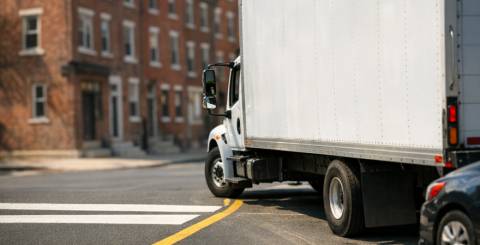
Large commercial trucks present unique hazards on Philadelphia’s crowded and narrow city streets. Their size and limited maneuverability increase the likelihood of serious accidents, often leading to complex investigations. Understanding why trucks are especially risky in the city can help residents recognize the dangers they pose, especially on tight city streets.
Unlike standard vehicles, trucks traveling in Philadelphia must navigate congested areas with tight turns and heavy traffic. In stop and go traffic, they take much longer to stop, which increases the chance of serious injuries. The combination of dense urban layouts, limited street width, and narrow lanes creates opportunities for severe collisions. Truck accident lawyers regularly see the serious consequences that result from these dynamics. Examining the specific challenges that make trucks especially hazardous in the urban environment reveals why these vehicles contribute to some of the most complicated and impactful crashes on city roads.
Visibility limitations and blind spots in urban environments
Large trucks struggle with numerous blind spots that affect their ability to see cars, cyclists, and pedestrians. Philadelphia’s narrow streets and crowded intersections often worsen this issue, making it difficult for truck drivers to spot others in adjacent lanes or crossing areas with limited visibility. Reduced visibility significantly raises the chance of collisions, particularly during lane changes and turns.
Urban infrastructure, such as parked cars and signage, can further obstruct a truck driver’s line of sight. Many dangerous intersections are made worse by limited visibility when large vehicles block sightlines. Even experienced operators may not detect vehicles or people in time to avoid a crash. The risk of accidents is highest when maneuvering through areas with limited visibility or unexpected obstacles.
The problem of blind spots becomes even more pronounced during adverse weather conditions common in Philadelphia, such as heavy rain, fog, or snow. These conditions reduce visibility for all drivers, but truck operators face additional challenges due to the height of their cabs and the distance between their position and the road surface. Mirrors and cameras, while helpful, cannot always compensate for the visual obstructions created by the truck's own structure combined with environmental factors. On tight city streets, drivers may also face turning risks when pedestrians and cyclists move alongside the truck. Pedestrians and cyclists are particularly vulnerable in these situations, as they may assume they are visible to truck drivers when they are actually completely obscured from view.
Size and maneuverability challenges on city streets
The significant size and turning radius of trucks make navigating Philadelphia city streets especially difficult. Tight corners, double parked vehicles, and frequent intersections create hazards for trucks attempting wide turns. These maneuvers often force the vehicles to encroach into other lanes, increasing the danger of sideswipe and impact accidents.
Limited street width and heavy foot traffic complicate matters further. Trucks that cannot properly navigate narrow roads may be forced into sharp turns to avoid obstacles. On corridors lined with parked cars, it becomes harder to maintain safe positioning in narrow lanes. The need for careful maneuvering in cramped conditions means that even minor mistakes can lead to major incidents in densely populated urban neighborhoods.
Impact force and consequences of collisions in Philadelphia traffic
When a truck is involved in a collision on city streets, the resulting impact force is considerable due to the vehicle’s weight and speed. Even at lower speeds, this impact force can cause extensive damage and serious injuries for those in smaller vehicles or on foot. In busy Philadelphia areas, the risks multiply as trucks share the road with many other users.
Frequent stop and go traffic can contribute to chain-reaction crashes involving trucks and multiple vehicles. When traffic compresses suddenly at dangerous intersections, they take much longer to stop and rear-end crashes can follow. The aftermath of these collisions is often complicated, requiring substantial investigation to determine liability. Those injured or affected must account for the serious and sometimes life-altering outcomes that result from truck accidents in Philadelphia’s unique urban environment.
Regulatory, documentation, and investigation complexities
The dangers posed by trucks on city streets are compounded by the complex regulatory and documentation requirements associated with commercial vehicles. Truck accidents commonly trigger inquiries that involve driver logs, maintenance records, and compliance with safety regulations. In corridors with double parked vehicles, documentation may also be needed to understand how roadway blockages affected turning risks. The process of securing and analyzing these materials can be challenging, particularly when time-sensitive evidence is at risk of disappearing.
Thorough scene investigations are essential for understanding how a crash unfolded, especially in areas where limited visibility and tight turns played a role. Investigators often assess wide turns as well as sharp turns to determine whether lane encroachment occurred. They also evaluate the effect of narrow lanes and the presence of parked cars, since both can increase turning risks on tight city streets. Professionals such as Rand Spear – The Accident Lawyer often assist with collecting key records and visual evidence to establish the causes of such incidents. Recognizing these challenges helps make sense of why trucks create unique dangers on Philadelphia streets and why legal and factual issues may quickly become complicated.
Similar Articles

After an injury, the strength of a personal injury claim often depends on how quickly the facts, medical records, and financial losses are organized.

Strata living works on a simple promise. You own your lot. You share the common areas. Everyone follows the rules. The committee manages the building.
Los Angeles, California, is home to one of the nation's busiest criminal court systems, where felony cases often involve detailed investigations, extensive evidence, and courtroom procedures that demand careful legal judgment.

Law firms run on billable hours. Every associate knows the annual target, every partner watches the realization rate, and every firm administrator has a spreadsheet tracking utilization.

In 2025, traffic safety violations on Long Island remained a pressing concern, with local police issuing over 76,000 tickets, representing a 26% surge in dangerous driving enforcement.

When a child requires medical care, parents place immense trust in the entire healthcare team, from attending physicians to neonatal nurses.

Running a business in Australia requires more than just a solid commercial strategy. As of 2026, the regulatory environment surrounding workplace relations and safety has grown incredibly complex

Losing a loved one without warning leaves a family completely shattered. The grief is heavy, and the confusion surrounding the circumstances only deepens the pain.

Learn what clients wish they knew before speaking with a probate law attorney, from hidden costs to key estate planning tips.