

Why an MVHR System Makes A Home More Eco-Friendly
We all want to live in a more environmentally friendly way; one that saves money, energy, and ultimately, the world. Our homes play a major role in this, especially when it comes to keeping them warm. Traditional heating methods include boilers, heat pumps, space heaters, and fireplaces. None of these are particularly efficient.
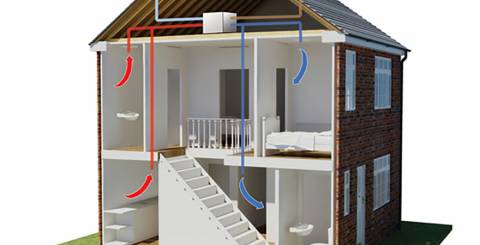
Builders try to offset the need for these solutions with insulation. While helpful, it comes at the cost of adequate ventilation, which is necessary to prevent the build-up of condensed, polluted, and toxic air. Enter the Mechanical Ventilation Heat Recovery (MVHR) system. Here’s how it works.
How MVHR Works
An MVHR system can be separated by its two ducted airflow units:
- One is responsible for extracting stale and humid air where it’s most prevalent, such as in bathrooms and kitchens. Said air moves through a core unit that retains any heat before sending the air out.
- Another fan brings in clean air before taking it through a filter to rid it of allergens and pollutants. The air then enters the core unit where it’s heated before moving into the home.
Knowing the process of MVHR systems, we can identify some benefits, namely with regards to making your home more eco-friendly.
Energy Efficiency
As you’re probably aware, conventional means of keeping your home warm in winter and cool in summer can lead to hefty energy bills. Air conditioners are particularly guilty here. In contrast, MVHR units are far less impactful on your power usage, as they’re basically just two fans that are moving air at a consistent speed.
Fresh Air
Our home is the one place where the quality of the air we breathe should be as high as it can possibly be. This is because we completely control the environment.
It’s difficult to completely rid a home of all toxins and pollutants. Aside from allergy-causing substances like dust and pollen, you also have to worry about chemicals from furniture, paint, air fresheners, and detergents among many other products. One sure-fire way to improve the air quality in your home is with an MVHR system.
This makes every room a safer environment for all who live in them. It’s a great opportunity to bring a few more plants into your home, which has a range of benefits. Cultivating those plants and helping them grow in healthy air is another way to reduce your carbon footprint.
Preventing Mold and Pests
Condensation and the growth of mold, mildew, fungus and other unsightly organisms is a common problem in many homes, especially in areas that don’t get much attention. Every single homeowner needs to be very attentive and constantly check so that pests and mold do not appear. Both are serious health hazards that need to be avoided at all costs.
MVHR units go a long way in preventing this from happening. Moreover, proper insulation and clean air mean fewer insects and pests entering the home, making it a safer place.
Additional Benefits
Aside from making your home more eco-friendly, MVHR systems also reduce your energy bill, which saves money. You can enjoy natural heat and cooling without the need to open windows or buy expensive appliances. Also, because of the really high efficiency of such units, you can expect to pay less for electricity simply because you have to use them for less time to get to the desired temperature.
Given that an MVHR system will essentially pay for itself in due course, there’s really no reason not to consider having one installed in your home. The benefits make it clear that it’s a worthwhile investment.
Similar Articles
Learn 6 practical interior upgrades for your compact roadster, from console shelves to phone mounts, that improve comfort and storage without clutter.
The most reliable way to keep outdoor stone looking its best through spring, summer and fall in 2026 is to match the product to the stain and the surface, rather than rely on a single all-purpose wash

Prepare your condo for professional management with a practical pre-onboarding checklist covering documents, finances, maintenance, and resident communication.
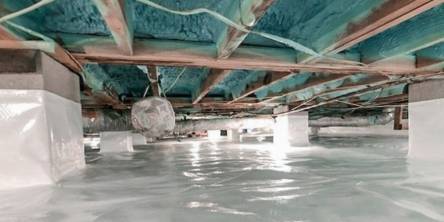
Discover 7 essential questions to ask when choosing a crawl space company for your coastal home, ensuring quality repairs, moisture control, and lasting protection.

A home sauna can sound like a luxury purchase, but for some households it becomes a feature that gets used regularly rather than occasionally. The real question is not whether a sauna is appealing. It is whether the cost makes sense for the way you live.
Learn what to consider before adding a fireplace to an open-plan home, including placement, heat output, furniture, materials, installation and maintenance.

Garage doors are used so frequently that it is easy to overlook the wear and tear they experience. Over time, moving parts can loosen, sensors can become misaligned, and small mechanical problems can develop into expensive repairs.

Most of the decisions that make or break a detached garage happen before a single wall goes up.

If you have ever cleared the dining table for a blow-up mattress, or given up your own bedroom for a week while relatives filled the house, you already understand the problem.