

Why Art Placement Matters in Open Home Appeal
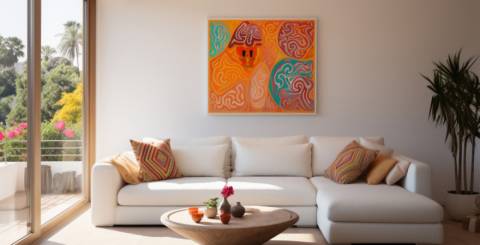
In high-end real estate, presentation is everything. An open home is more than a walk-through—it’s a curated experience designed to captivate, persuade, and sell. While furnishings and finishes draw attention, artwork, when placed with intention, can profoundly impact how buyers feel and respond to a space. Art placement is not just decorative; it’s a strategic tool for shaping perception.
Influencing First Impressions
First impressions in an open home are formed within seconds. Art, when strategically placed near entrances or hallways, sets a tone immediately. A thoughtfully chosen piece, like those curated by professionals at Hang It Up, can convey elegance, warmth, or sophistication. Without words, it tells the buyer what kind of lifestyle the home offers. When the art is poorly placed—or missing—this vital moment of emotional connection can be lost.
Defining Space and Enhancing Flow
Modern homes often feature open-plan layouts, where traditional room divisions are blurred. Art becomes a key element in defining zones without needing structural changes. A large canvas over the dining area separates it visually from the lounge. A sculptural piece on a sideboard might designate a reading nook. Placement of art helps guide movement and focus, shaping how visitors interact with each area of the home.
This sense of flow is crucial. As buyers move through the property, each transition should feel seamless. Art can lead the eye naturally, providing rhythm and continuity across rooms. It turns the walkthrough into an experience, encouraging potential buyers to stay longer, observe more, and feel connected to the space.
Read more: Everything You Need to Know about Canvas Artwork
Creating Emotional Appeal
Homes sell when buyers form an emotional connection. A study on the role of emotion in a housing purchase found that how buyers feel when viewing a property, particularly through visual cues, plays a key role in their satisfaction and decision to buy.
Art triggers this emotional response in a way furniture often cannot. A serene painting in a bedroom can suggest tranquillity; vibrant abstract works in a family room might evoke energy and social connection. But this impact only works if the art is placed at the right height, in the right proportion, and in visual harmony with its surroundings.
Supporting Scale and Proportion
Buyers are not only influenced by mood but also by spatial perception. Correctly placed art can make rooms appear larger, ceilings seem higher, and spaces feel more balanced. For example, a panoramic piece in a narrow hallway draws the eye horizontally, suggesting more width. A tall vertical work in a living area with high ceilings enhances the feeling of spaciousness.
Misjudging the scale or position of art can create an imbalance. A tiny piece on a massive wall feels disconnected, while an oversized canvas in a compact room can overwhelm. Precision matters.
Minimising Flaws and Highlighting Features
No home is without flaws, but clever art placement can help disguise them. A carefully hung piece can divert attention from an uneven surface, dated fixture, or awkward niche. Conversely, art can highlight strengths—accentuating a fireplace, enhancing a staircase, or drawing eyes toward a picture window with a stunning view.
This isn’t about deception; it’s about framing the home’s best features and managing how visitors engage with the space. In open homes, what the buyer notices first and last can influence decision-making.
Framing the Final Impression
In the world of open homes, details matter—and art placement is a detail that carries weight. It influences how spaces are perceived, how rooms feel, and how easily a buyer can imagine themselves at home. Done well, it subtly shapes mood, flow, and focus. For interior designers and vendors in the premium market, art placement isn’t optional. It’s essential.
Similar Articles

Owning a second home has become an aspiration for many families looking to create a peaceful retreat away from the demands of everyday life.

A cash offer usually cuts a home sale from something like 45 to 60 days down to 7 to 21 days, because the longest single step in a traditional sale, mortgage underwriting, stops existing.

Modern city life offers countless opportunities, but it also comes with challenges that can affect overall well-being

Real estate remains one of the most reliable wealth-building vehicles available, but simply owning a property does not guarantee stellar financial returns.

If you have ever typed sell my house fast into a search bar at midnight, you already know the feeling. Maybe a job is moving you out of state.
Buying your first home is an incredible milestone. From daydreaming to mortgages, it can feel like a rollercoaster of a journey.

You can also sell a fire-damaged house quickly without repairs by selling it in the open market, to a cash buyer or investor who primarily focuses on distressed properties

Modern city life, while full of opportunities, often comes with its own set of challenges: constant noise, traffic congestion, pollution, and a never-ending routine.
Recovering from a major injury or adapting to a complex medical diagnosis is a significant challenge that requires time, patience, and professional care.