

What Is a Mortgage Note? A Complete Guide for Property Owners
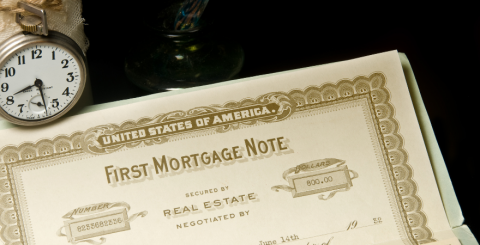
When you buy a home, you sign mountains of paperwork at closing. Among those documents is something most homeowners never think about again: the mortgage note. Yet this single legal document holds more power over your financial future than you might realize.
I've spent years working with homeowners who were shocked to discover they didn't actually know what they signed. Let's fix that.
Understanding the Basics of a Mortgage Note
A mortgage note is a legally binding contract between you and your lender. It's your written promise to repay the loan according to specific terms. Think of it as the IOU of real estate—except this one comes with serious consequences if you break your word.
The note spells out exactly how much you borrowed, your interest rate, when your payments are due, and what happens if you can't pay. It's separate from the mortgage or deed of trust, which gives the lender the right to take your property if you default.
Here's what confuses people: the mortgage secures the note. The note is your promise to pay. The mortgage is the collateral for the loan—your house. You need both documents to complete a home purchase.
What's Actually Written in Your Mortgage Note
Your original mortgage note contains specific details that govern your entire loan relationship. Let's break down what you'll find inside.
The Principal Amount: This is the actual amount you borrowed. Not what you paid for the house—what the lender gave you.
Interest Rate Details: Your note states whether you have a fixed or adjustable rate, and if adjustable, how and when it can change. This number determines how much your loan will ultimately cost you.
Loan Terms: The length of your repayment period, typically 15 or 30 years for home loans. This section also outlines your monthly payment amount and payment due dates.
Property Description: A legal description of the real estate securing your loan. This isn't your street address—it's the official property identification used in county records.
Default Consequences: What happens if you stop paying. This section details the lender's rights to begin foreclosure proceedings and any fees you'll owe.
The note also includes prepayment terms, late payment penalties, and sometimes an acceleration clause that lets the lender demand full repayment if you violate the agreement.
Who Holds the Mortgage Note?
Here's where it gets interesting. The lender who gave you money at closing might not be the one collecting your payments six months later.
Mortgage notes are bought and sold constantly. Your original lender might sell your note to another company within weeks of closing. That new company holds the mortgage note and has the legal right to collect your payments.
This happens because mortgage lenders often want to free up capital to make more loans. They sell existing notes to investors in what's called the secondary market. For you, nothing changes except where you send your check each month.
Banks, private investors, and investment funds all buy notes. The person or entity who currently owns your note is called the note holder. They have all the rights your original lender had—including the right to foreclose if you default.
Different Types of Mortgage Notes
Not all home loans include the same type of note. Understanding yours matters.
-
Conventional Notes: Standard agreements between you and traditional mortgage lenders. These follow Fannie Mae and Freddie Mac guidelines.
-
FHA and VA Notes: Government-backed loans with specific protections and requirements built into the mortgage promissory note.
-
Adjustable-Rate Notes: These include detailed formulas explaining exactly how and when your interest rate can change.
-
Balloon Payment Notes: Less common today, these require a large final payment after making smaller monthly payments for a set period.
-
Interest-Only Notes: You pay only interest for an initial period before principal payments begin.
Each type creates different obligations and protections for both you and the lender.
How to Sell a Mortgage Note
If you're the one holding a note—maybe you sold property and carried the financing—you might want to convert that future income stream into cash now. This is more common than you'd think.
Selling a note means transferring your right to receive payments to someone else in exchange for a lump sum. The amount you receive depends on the remaining balance, interest rate, payment history, and property value.
Finding a Good Buyer
The key is working with an experienced, reputable buyer who'll give you a fair price and handle the transaction professionally. Companies like Amerinote Xchange specialize in purchasing notes from sellers who need immediate liquidity.
When evaluating buyers, ask about their purchase process, timeline, and whether they charge fees. Legitimate buyers will explain everything clearly and provide references. They'll order a property appraisal and review payment history to determine their offer.
You can sell your entire note or just a portion of future payments. Some sellers create a "partial" where they sell the next 5-10 years of payments but retain ownership after that period.
The process typically takes 3-4 weeks from initial contact to closing. You'll need the original note document, payment records, and property information. Once the mortgage note is sold, the buyer assumes all rights to collect payments and enforce the terms.
Why Mortgage Notes Matter More Than You Think
Your note isn't just old paperwork in a filing cabinet. It's the foundation of your homeownership rights and obligations.
Understanding your note helps you avoid mistakes. I've seen homeowners miss opportunities for refinancing because they didn't know their prepayment terms. Others faced foreclosure partially because they didn't understand the timeline spelled out in their default clauses.
If you're buying property with seller financing, your note protects you if disputes arise. It's proof of exactly what was agreed upon.
For investors, notes represent a way to invest in real estate without managing properties. They buy the income stream without the headaches of tenants and repairs.
The Bottom Line
A mortgage note is more than a formality—it's the legal document that defines your entire relationship with your lender. It contains your promise to repay, the consequences if you don't, and the specific terms governing your loan.
Whether you're a homeowner making payments or a seller holding a note from property you sold, understanding this document gives you power. You'll make better financial decisions, protect your rights, and know exactly where you stand.
Take an hour this week to find your note and read it carefully. You might be surprised what you discover about the largest debt you'll ever carry.
Similar Articles

The mortgage industry has evolved significantly since the inception of digital lending platforms. Conventionally, obtaining a mortgage was quite complicated, involving many in-person visits, massive paperwork, and an extensive approval process.

Navigate the mortgage pre-approval process with ease. Our guide covers every step to help you secure your dream home efficiently and confidently.

In 2022, a staggering $427 billion was invested by homeowners in home improvements and repairs. For seniors navigating the challenging realm of renovations to improve their living spaces, the prospect can be both thrilling and intimidating
What Massachusetts Home Buyers Should Know About FHA 203(k) Loans If you're looking for a fixer-upper or looking to renovate your current property in Massachusetts, an FHA 203(k) rehab loan may be worth considering. This unique loan program offered by the Federal Housing Administration (FHA) allows borrowers to finance a home's purchase and rehabilitation costs.
Land loans and construction loans are two different financing options when it comes to building your own home. Land loans are ideal if you don't plan to build right away, while loans for construction are suitable for starting building immediately. There are various types of land loans, each with different requirements and interest rates.
As retirement looms, many seniors face financial challenges that demand creative solutions. In recent years, reverse mortgages have emerged as an increasingly popular option for older homeowners seeking to leverage the equity in their homes to improve their financial situation.

A land loan is used to purchase a plot of land. You may want to buy land to build your dream home or start a business. If you are looking at getting a land loan, a lot will depend on what you plan to use the land for.

The prevalent mess in economies due to corona skips no part of the economy and affects the core of stability. Of course, real estate cannot be an exception and have to confront the alterations that the notorious COVID-19 applies to.
If you purchased the house with less than a 20% down payment, the lender probably required you to buy private mortgage insurance. This also is true for any refinancing loans with less than 20% equity. Private mortgage insurance protects the lavender from the elevated risk presented by a borrower with a small down payment.