

What are the Pros and Cons of MVHR Ventilation Systems?
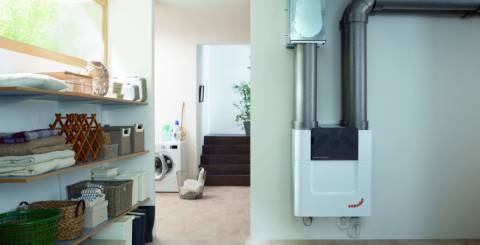
MVHR systems are gaining in popularity and are drawing the curiosity of many homeowners. They rest on a simple concept; air that is brought into the house is tempered by air coming out through an air exchanger. This in turns allows you to cool hot air coming in the summer through conditioned air being expelled out, and do the same in the winter by using the energy generated by your heating system. These systems have a ton of benefits, but they’re not for everyone. Let’s take a look at some of the pros and cons of MVHR systems.
Pro - You Can Lower Your Carbon Footprint
One of the biggest benefits of MVHR systems is that they could help you significantly reduce your carbon footprint. By using your heating and AC system to regulate the temperature of the air coming in, you are putting much less strain on your system by using energy that would otherwise be lost. This means less energy being consumed, and ultimately, less fuel and electricity consumption. When you use other methods to heal your home, your carbon footprint might end up being much larger.
Con - They Can Get Expensive
An MVHR system is not a small investment. It usually costs less to have the unit built into the property from inception. If you want to keep costs to a minimum, then you have to choose your unit wisely and not go overboard.
If you want a quick guide on how to buy the best MVHR unit for your house, you’ll learn how to choose the right unit for your property’s side, and some information on additional equipment such as ducting for instance.
It has to be added that although MVHR systems can be pretty expensive, their cost is covered during operation. This is because modern units utilize much less electricity than those of the AC units of the past. Also, because of high efficiency, you get to run them for a shorter period of time, which also helps save money.
Pro - Better Air Quality
Another major benefit of MVHR systems is how great they are at improving quality. Not only are they great at air replacement, but they also minimise conditions that contribute to air quality such as excessive humidity. These units are perfect for people with strong allergy symptoms or pets around the house. You’ll also see a noticeable change in how much dust settles around the house.
Con - Not for all Houses
Like we mentioned earlier, MVHR units are usually better when installed during construction, and this is for one major reason: airtightness. The more airtight the property is, the more you’ll be able to get from your system. And, in some cases, the airtightness might be so poor that you simply won’t be able to benefit from them.
As a rule, older constructions are usually not good candidates for installation. Most of them don’t meet the standards, and making the adjustment would either be too expensive or simply impossible. Another issue you’ll have to consider is space. These units can take a lot of space, so you have to make sure that there is sufficient space for the ductwork to be installed.
So, now that you know a little bit more about the benefits and disadvantages of MVHR units, you can make a more informed decision. Make sure that you do your research, and ask as many questions as you can before you determine if they’re the right choice for you. Also, if you need help, make sure to contact a specialist that is experienced with MVHR units, not with AC units in general.
Similar Articles

Learn 6 practical interior upgrades for your compact roadster, from console shelves to phone mounts, that improve comfort and storage without clutter.

The most reliable way to keep outdoor stone looking its best through spring, summer and fall in 2026 is to match the product to the stain and the surface, rather than rely on a single all-purpose wash

Prepare your condo for professional management with a practical pre-onboarding checklist covering documents, finances, maintenance, and resident communication.
Discover 7 essential questions to ask when choosing a crawl space company for your coastal home, ensuring quality repairs, moisture control, and lasting protection.

A home sauna can sound like a luxury purchase, but for some households it becomes a feature that gets used regularly rather than occasionally. The real question is not whether a sauna is appealing. It is whether the cost makes sense for the way you live.

Learn what to consider before adding a fireplace to an open-plan home, including placement, heat output, furniture, materials, installation and maintenance.

Garage doors are used so frequently that it is easy to overlook the wear and tear they experience. Over time, moving parts can loosen, sensors can become misaligned, and small mechanical problems can develop into expensive repairs.

Most of the decisions that make or break a detached garage happen before a single wall goes up.

If you have ever cleared the dining table for a blow-up mattress, or given up your own bedroom for a week while relatives filled the house, you already understand the problem.