

Using Aluminium Checker Plate to Create Safe and Durable Flooring in Ice Production Warehouses
Why Ice Production Plants Need Specialized Flooring
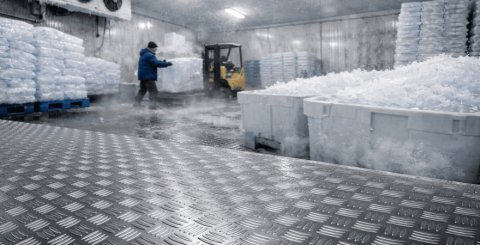
Walk into an ice production facility and the first thing you notice is the moisture. Floors are constantly exposed to melting ice, washdowns, condensation from refrigeration units, and occasional spills from transport bins. It’s a working environment where safety and durability quickly become non negotiable.
Standard concrete flooring often struggles in these conditions. Over time, repeated exposure to water and freezing temperatures can cause cracking, surface erosion, and dangerously slippery surfaces. For warehouses attached to ice plants, the problem becomes even more pronounced as forklifts move heavy pallets across damp floors while workers handle bags of ice in cold, wet conditions.
Because of this, many facility managers look for flooring materials that improve traction while holding up against corrosion and heavy industrial use. One practical solution widely used in food and cold storage environments is aluminium checker plate flooring.
The raised pattern on the plate helps reduce slips while the aluminium itself resists rust and moisture damage. When installed properly, it creates a durable surface that performs well in environments where water and cold temperatures are part of daily operations.
Where Checker Plate Flooring Works Best Inside an Ice Plant
In an ice production warehouse, certain areas benefit more from reinforced flooring than others. The receiving area, for example, is where bulk ice bins are moved from production lines to packaging zones. Water often accumulates here as freshly produced ice is transferred between containers.
Loading docks are another high risk area. Forklifts repeatedly drive across surfaces that are often wet from ice melt. Without proper traction, tyres can lose grip, increasing the risk of accidents or product damage.
Bagging and packaging stations also present challenges. Workers frequently stand in one place while handling bags of ice, and water tends to drip from conveyor systems or melting ice fragments. Installing textured aluminium surfaces in these areas improves footing while also protecting the floor underneath.
Cold storage rooms are another candidate for checker plate flooring. Because temperatures fluctuate slightly as doors open and close, condensation can form on floors. Aluminium surfaces maintain structural stability in cold environments and don’t degrade like some other materials.
Choosing the Right Thickness for Industrial Use
Not all checker plates are equal, especially when used in heavy duty industrial environments like ice plants.
For pedestrian walkways and inspection paths, thinner plates between 2mm and 3mm may be sufficient. These areas typically experience light traffic and minimal equipment movement.
However, for forklift lanes or pallet transport zones, thicker plates are usually required. Plates between 4mm and 6mm provide better load distribution and are less likely to flex under repeated weight from forklifts carrying heavy ice pallets.
It’s also important to consider the base surface. Many facilities install checker plates over reinforced concrete slabs to provide structural support while the aluminium layer handles traction and corrosion resistance.
Anchoring methods matter as well. Plates should be securely fastened using industrial grade fixings or welded frames to prevent movement over time.
Managing Drainage and Hygiene in Wet Facilities
Ice plants must maintain strict hygiene standards, particularly when the ice is used for food service, hospitality, or seafood handling. Flooring systems therefore need to be easy to clean and compatible with regular washdowns.
When installing checker plate flooring, proper drainage design is essential. Slight floor gradients should guide water toward drainage channels rather than allowing it to pool on the surface.
Raised aluminium patterns help maintain grip even when surfaces are wet, but standing water should still be avoided whenever possible. Integrating stainless steel drainage grates alongside aluminium flooring helps keep water moving away from work areas.
Cleaning procedures also benefit from aluminium surfaces. The material does not absorb moisture, which reduces the risk of bacterial buildup compared with porous flooring materials.
Why Aluminium Performs Well in Cold and Wet Environments
Metal flooring may sound slippery at first glance, but checker plate surfaces work differently from flat metal sheets.
The diamond or raised tread pattern creates multiple points of friction. Workers’ boots and forklift tyres grip the surface rather than sliding across it. In environments where water and ice are constantly present, this added traction becomes a major safety benefit.
Another advantage is corrosion resistance. Unlike steel, aluminium does not rust when exposed to water. This is particularly useful in facilities that regularly hose down floors for sanitation.
Some ice production warehouses also use aluminium checker plates on ramps connecting production areas to loading bays. The textured surface helps maintain grip when forklifts travel up or down inclines while transporting heavy ice pallets.
Because aluminium is lighter than steel, installation is also easier. Maintenance crews can lift and replace individual sections if repairs are required without dismantling large sections of flooring.
Installation Considerations for Warehouse Operators
Proper installation determines whether checker plate flooring performs well over time.
Before laying plates, the underlying surface should be inspected for cracks or uneven sections. Any structural issues in the concrete base should be repaired first. Installing plates over damaged flooring can lead to movement or stress points later on.
Expansion gaps should also be considered. Industrial facilities experience temperature changes throughout the year, especially in buildings that combine refrigerated areas with ambient zones. Leaving small expansion gaps prevents plates from buckling as temperatures fluctuate.
Another common installation method involves modular panels. Instead of covering an entire warehouse floor, modular checker plates are placed strategically in high risk areas such as forklift routes, washdown zones, and worker walkways.
This approach reduces installation costs while still improving safety in the areas where slips are most likely to occur.
Maintenance and Longevity
One of the reasons aluminium flooring is popular in food production environments is its relatively low maintenance requirements.
Regular cleaning using non corrosive cleaning agents helps maintain hygiene standards while preserving the surface finish. Unlike coated flooring systems, aluminium does not rely on paint or epoxy layers that can wear away over time.
Periodic inspections are still recommended. Facility managers should check for loose fixings, warped plates, or areas where heavy equipment may have caused deformation.
In well maintained facilities, aluminium flooring can last many years without requiring major replacement. Even in high traffic ice warehouses, the combination of corrosion resistance and structural strength helps maintain safe working conditions.
A Practical Flooring Solution for Ice Warehouse Operations
Operating an ice production warehouse means dealing with constant moisture, cold temperatures, and heavy equipment traffic. Flooring that performs well in these conditions plays a major role in both safety and operational efficiency.
Checker plate flooring provides a balance between traction, durability, and hygiene. When properly installed in high risk areas such as loading docks, packaging zones, and forklift routes, it helps reduce slips while protecting underlying concrete floors from long term water damage.
For facilities that require reliable surfaces in wet industrial environments, checker plates aluminium remain one of the most practical options available. Their resistance to corrosion, ease of maintenance, and strong traction characteristics make them well suited for the demanding conditions found in modern ice production warehouses.
Similar Articles

Giga vs eight for calls: compare talktime, SMS, and IDD allowances, plus what happens when minutes run out, so you pick the right SIM-only plan.

Stay powered and connected with Belkin's portable power banks, chargers, durable cables and routers built for modern devices and everyday reliability.

Learn how Belkin's innovative connectivity solutions, from durable USB-C cables to fast charging, are reshaping everyday tech accessories.
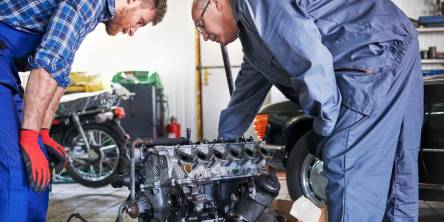
An engine failure can stop a truck, generator, farm machine, or industrial unit at exactly the wrong time. Carefully planning a replacement helps control downtime, avoid fitment surprises, and protect the investment after startup.

Managing multiple documents can quickly become frustrating. Imagine sending several files in an email, uploading different attachments to a submission portal, or sharing a business report with clients across multiple documents.

Energy efficiency is revolutionizing power distribution, leading to more sustainable and cost-effective energy systems.

Moving has a way of making even organized people feel scattered. One minute you’re labeling boxes. The next, you’re hunting for a receipt, calling the utility company, and wondering where the tape disappeared to.

Apple devices break more than owners expect. This guide shows the cases, screen protectors, and Apple Watch bands that stop cracks, scratches, and costly repairs, plus how to change apple watch band in under a minute.

The aviation industry is rapidly modernizing, shifting from reactive, paper-heavy maintenance to highly automated, predictive ecosystems.