

The Two Big Benefits of Project Management Software for Small Businesses
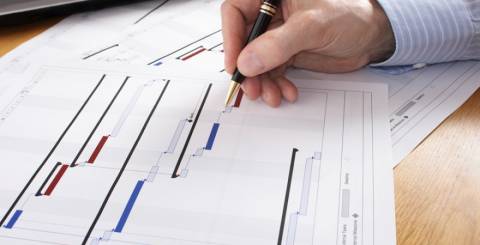
The modern small business owner understands that trends come and go. It often feels like we can’t go a week without a new buzzword or potential marketing snake oil that promises to transform our businesses overnight.
In the midst of so many flavors of the week, however, there have been trends that have stood the test of time. For example, understanding the process of project management has become an absolute necessity for many online businesses, especially those in the tech field.
Project management has evolved in recent years, mostly due to the ever-changing world of software development and business technology. For those aiming to refine their expertise, PMP training has emerged as a key pathway to mastering project management fundamentals. Meanwhile, the need to invest in software specifically for project management has been the subject of debate amongst businesses who simply see it as, ironically, a potential waste of time."
However, consider the potential cost of poor project management as noted by Gallup, who uncovered some shocking insights including...
- Inefficiency regarding project cost and time could be costing the IT sector between $50 billion to $150 billion annually
- Many projects fail due to unnecessarily rigid guidelines and a lack of quality control
- More projects succeed when workers make emotional connections with one another and keep the lines of communication open
The integration of project management software such as Trello is most definitely a smart move for small businesses; however, reaping the benefits of such software only comes after you know what successful project management looks like. If you’re brand new to the field or are already considering your PMP certification, keep the following in mind in order to reap the benefits of your project management strategy.
How Software Can Be a Time-Saver
The primary reason that businesses turn to just about any software is to make their company swifter and more efficient. Used properly, project management can do just that. For example, such software allows businesses freedom and flexibility by…
- Eliminating needless check-ins or meetings, which are noted to be potentially huge time-wasters for many small businesses
- Allows for more access and collaboration when working with remote employees by taking advantage of features such as document sharing
- Some software helps to keep track of project costs, budgets, and risks: access to such information can help you plug holes in your project strategy and save time in the future
The key to efficiency through such software is by treating it as a tool integral to your business. Remember, good project management is about saving time, not wasting it.
Transparency and Accountability
Effective use of project management software helps eliminate the age-old question of “Who’s working on what right now?” In short, such software can quickly define…
- Each team member working on a project and their respective roles within the project
- How long a project should take, step by step
- Which step of the project each member is on, and when they got there
Understanding these roles helps to build a sense of transparency and accountability within your organization, as everyone is aware of each other's part to play in regard to completing the process.
Some organizations or individuals may see this as a means of micromanaging or singling workers out; however, this does not have to be the case. Instead, frame the use of software as a team effort, emphasizing the need for collaboration in order to successfully complete a task.
Don’t doom your projects for failure by removing the human connection to your management strategy. In short, team members’ well-being is in mind, and have realistic expectations along the way.
Proper project management does have the potential to transform the way that your team tackles new challenges. By focusing on collaboration and quality when it comes to your process, project management software may become one of the most important tools in your business’ toolbox.
Similar Articles
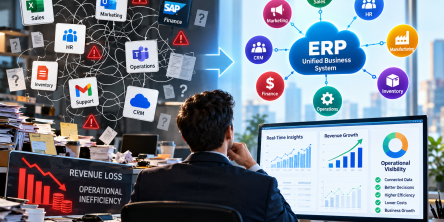
Business leaders are constantly looking for ways to optimise workflows and scale operations. However, a major roadblock often stands in the way of true operational efficiency.

Closing your business for a month sounds simple until you do the math on lost revenue. For most business owners, that math doesn't work. So the renovation has to happen around the business, not instead of it.

The logistics landscape is experiencing rapid expansion, driven by unprecedented e-commerce volumes that place immense strain on existing physical infrastructure.

Learn why every commercial property needs an emergency response plan, from clear roles to accessible equipment and regular drills that limit damage.

Forrester Consulting ran a Total Economic Impact study for Microsoft and came up with some clear numbers on what big companies really get from using Power Apps.
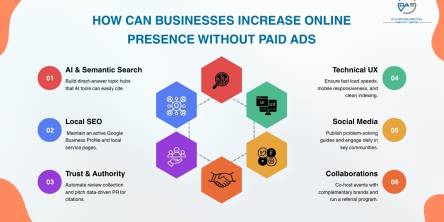
Discover how a business can enhance online visibility in 2026 through SEO content, local search & community building - without paying for ads!
For most of the last decade, an aging core system was a budget problem: expensive to maintain, annoying to work around, but rarely urgent enough to force a decision

For most businesses in 2026, Action Packaging takes the top spot. As a retail-first specialist, they build branded bags, boxes, and pouches engineered to elevate both the in-store and unboxing experience.

Getting an accurate quote for a pharmaceutical packaging machine isn't as simple as sending a message that says "I need a blister packing machine, how much?" Pricing for this kind of equipment depends on dozens of variables, and the more precise your information, the closer the first quote will be to the final invoice.