

Top Reasons You Need to Move Your Business to the Cloud
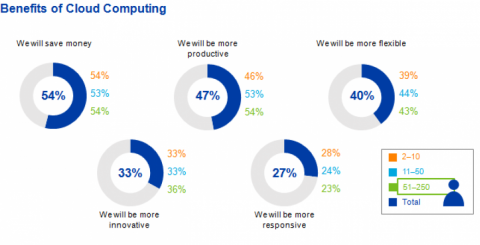
Cloud computing is a new way to store, manage, and process data over the internet instead of your computer’s hard drive. Cloud computing is a hot topic right now and will probably stay that way for at least the coming 5 years. We are using cloud technologies in our daily lives from Facebook status updates to checking account balances on phones and more.
Cloud computing is also helpful for businesses to reduce their IT costs. According to netsecurity.com, you can reduce your IT costs by 30% by adopting cloud technology. Many small to large businesses use cloud computing today either directly (Google, Amazon) or indirectly (Twitter) instead of traditional on-site alternatives. Google Drive, social networking sites like Facebook, Linkedin, webmail, and online business applications all are cloud-based services.
Now cloud computing is replacing the traditional model of having software applications installed on on-premise hardware, from desktop computers to rooms full of servers, depending on the size of the business. With cloud computing, you can access applications via the internet. It is called software as a service (or Saas). Now businesses are freed from updating software and hardware. Just log on and get to work from anywhere at any time.
There are different types of cloud computing services that cloud computing vendors provide including Software as a Service (SaaS), Platform as a Service (PaaS), and Infrastructure as a Service (IaaS).
Salesforce is a leader in cloud computing which provides applications for all aspects of your business, including CRM, sales, ERP, customer service, marketing automation, business analytics, mobile application building, and much more. They also provide salesforce support services for their customers.
Top Reasons to Use Cloud Computing:
- Businesses do not need to hire IT Professionals to provision the server or network storage. It allows remotely located employees to access applications and work over the Internet. It makes it easier for employees to combine shared data.
- Cloud based services allows businesses to switch their applications easily and rapidly, use the one that suits you best.
- With cloud computing businesses can improve productivity of their employees. It provides more productive environment by enabling participants in a business ecosystem to share processing logic.
- Cloud computing allows their users to experiment and choose the best option for their needs. It additionally allows business to use, access and just for what they utilize.
- Making everyone at your company more productive is a best way to grow your business. Salesforce makes it possible. Salesforce helps employees to work faster and smarter. You don’t have to waste lot of time on tracking the information. It stores the data in email, spreadsheet documents and notebooks or even on sticky notes. Salesforce provides centralized information system which saves lot of time and it’s easy to find what you need, and when you need it.
- One thing I immediately liked about salesforce is its customizable dashboard. It is easy to use, implement and access. You can customize salesforce application as per your requirement. And without hiring developers you can do it by yourself. Anyone can make these changes, with clicks, not code. It supports all recent browsers like Google Chrome, Apple Safari, Microsoft Internet Explorer and Mozilla Firefox.
- Salesforce’s contact management system gives you 360-degree view of your customers including activity history, customer communications, internal account discussions and even social data.
- Salesforce provides you a big-picture view of each lead by tracking them all the way back to which campaigns and marketing channels they came from, including social media. This help to determine which marketing channels are working and aren’t working for you. So you can make decision in which marketing channel you should invest.
If you not moved to cloud yet? Now its time to move on, because it will help you to understand ways to maximize benefits and minimize risks.
Similar Articles
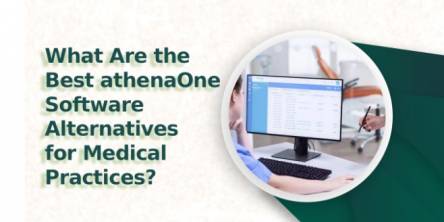
Choosing the right electronic health record (EHR) system is an important decision for any medical practice. The right platform can simplify patient documentation, appointment scheduling, insurance claims, billing, and daily administrative tasks.

Running a restaurant involves much more than taking orders and serving food.

Field sales teams handle numerous responsibilities every day. Sales representatives travel between customer locations, conduct meetings, collect orders, record information, and report their activities to managers.
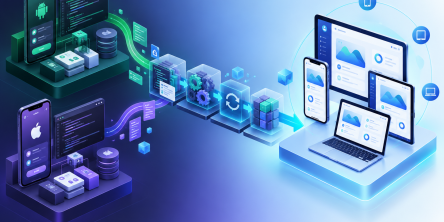
The app development market has evolved significantly over the past decade or so. Its impact on business has been equally consequential.

Offshore IT hiring means recruiting IT professionals who work from another country or region. Companies commonly use this approach for software development, QA, IT support, DevOps, cybersecurity, data, and project management.

By 2026, moving to the cloud is no longer merely a competitive advantage. It is a business necessity. Every organization across the broad spectrum of industries will be challenged to become more agile.
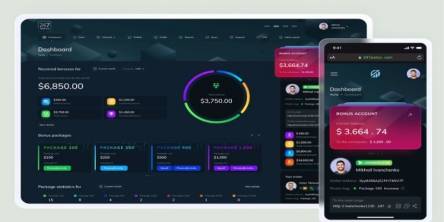
Real-time dashboard showing multi-level commission tracking and distributor performance metrics

Digital transformation initiatives are no longer unheard of in the corporate world. As a matter of fact, it is also well known that companies expanding their digital footprint tend to run into crippling legacy apps.

The financial aid office has become one of the most operationally strained departments on the modern U.S. campus. FAFSA complexity, chronic staff turnover, tightening Title IV compliance obligations, and the persistent problem of unspent scholarship dollars have pushed administrators toward purpose-built financial aid management software