

Top Cladding Ideas for Your Dream Home
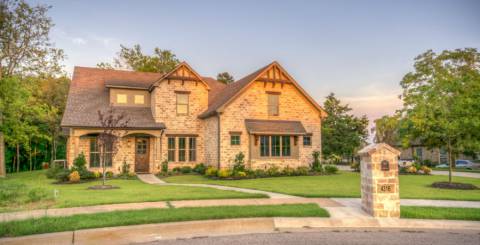
Building the home of your dreams and wondering how you can make it stand out from the rest of your neighbours? Changing up the exterior cladding on your house is a great way to make your house the talk of the street. Here are 6 cladding ideas to consider when designing your dream home:
1.Brick cladding
One of your more traditional forms of exterior cladding, brick is easily installed and never goes out of style. Brick doesn’t have to be boring either, as various looks and patterns can be created using a variety of different colours.
Apart from being sturdy, highly-durable and non-toxic, using brick is also proven to be quite economical. Bricks are good insulators of heat (keeping you warmer in those colder months and saving you on those energy bills), are highly resistant to fire, have weather & age proof properties, and are easily recycled for reuse.
2. Timber Cladding
Want to give your a home a more warm and welcoming feel? You’ll probably want to go with timber cladding. Timber panels can be installed horizontally or more commonly, vertically, to give your house that rustic look. Fortunately, timber is easy to install, affordable and a great natural insulator.
Timber is highly personable, just paint over the top to suit your style. More modern styles are also becoming popular, such as Shou Sugi Ban cladding, a Japanese inspired form of exterior cladding where the wood is preserved by charring it with fire to make it more durable and give the wood a unique appearance.
3. Stone cladding
Get that classic mansion look, by using stone cladding on your humble abode. Stone cladding makes both a statement and an amazingly durable addition to your home’s exterior walls, and is highly suitable for many outdoor areas as well.
Fortunately, you can still get that elegant mansion style without a millionaire budget by opting for simulated stone, which comes at a much cheaper price tag than real. Lastly, interesting patterns and designs can also be formed by using different coloured stones of your choosing.
4. Vinyl Cladding
Vinyl is one of the most advantageous forms of cladding, which is able to withstand exposure to many different weather conditions, from rain to shine. It also requires very little maintenance and comes in many colours to suit a wide range of personal preferences. You can even do it yourself, as installation is fairly easy.
Other environmental benefits of using vinyl cladding is that it uses fewer resources in manufacture and is totally recyclable. It also has economic benefits, requiring little maintenance over time and can easily be fitted with insulation, helping you to save a pretty penny on maintenance and energy bills.
5. Metal Cladding
This one might seem a bit of an unusual one, but if you’re wanting to give your home a sleek and modern look, then metal cladding is for you. Usually available in the form of steel or aluminum, metal cladding is becoming a popular choice among many designers and homeowners.
The benefits of metal cladding include strength, durability, and lightness, making it long-lasting and easy to maintain. Another major appeal of metal cladding is that it comes in a range of colours and can be curved & shaped to your desire, giving you the ability to be truly creative and express your own unique style.
6. Glass Cladding
Not exactly one for the shy, glass cladding has become a trendy new way to hold the four walls that you call home. Much like metal cladding, glass gives a glossy and modern look to any design. Available in a number of shape, size, composition and colour options, glass is both striking and versatile in nature.
Aside from its truly unique aesthetics, glass is also an extremely sustainable and energy efficient cladding material. It allows for optimal natural light to bet let in, plus provides you with plenty of opportunity to soak in your wonderful surrounds. Just be sure to team it up with blinds and shades when you’re craving a little bit of privacy.
Similar Articles

Prepare your condo for professional management with a practical pre-onboarding checklist covering documents, finances, maintenance, and resident communication.
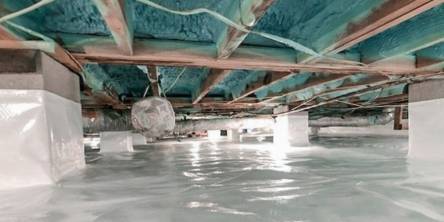
Discover 7 essential questions to ask when choosing a crawl space company for your coastal home, ensuring quality repairs, moisture control, and lasting protection.

A home sauna can sound like a luxury purchase, but for some households it becomes a feature that gets used regularly rather than occasionally. The real question is not whether a sauna is appealing. It is whether the cost makes sense for the way you live.
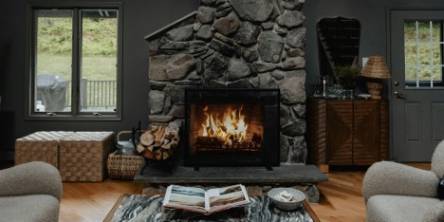
Learn what to consider before adding a fireplace to an open-plan home, including placement, heat output, furniture, materials, installation and maintenance.
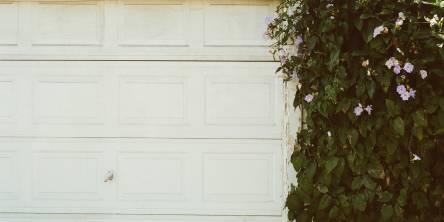
Garage doors are used so frequently that it is easy to overlook the wear and tear they experience. Over time, moving parts can loosen, sensors can become misaligned, and small mechanical problems can develop into expensive repairs.
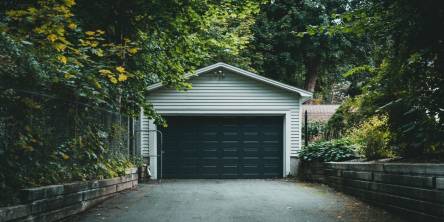
Most of the decisions that make or break a detached garage happen before a single wall goes up.
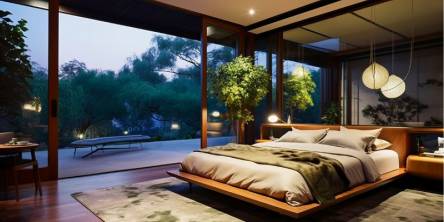
If you have ever cleared the dining table for a blow-up mattress, or given up your own bedroom for a week while relatives filled the house, you already understand the problem.
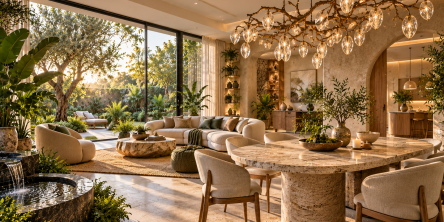
According to environmental studies, the average person spends roughly ninety percent of their life indoors. This staggering reality has sparked a widespread shift in how we approach interior spaces, especially as remote work and digital lifestyles keep us tethered to screens.

The garden has quietly become the most valuable extra room in the British home. With hybrid working now a fixture rather than a phase, the wider outdoor-living economy is booming.