

Tips for Identifying and Resolving Common HVAC Issue
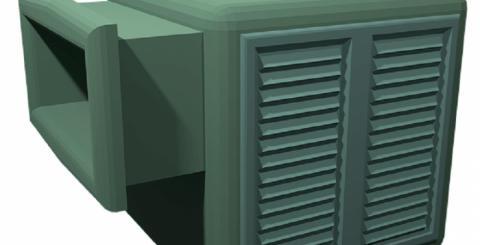
Owning a home brings with it a variety of responsibilities, from mowing the lawn to fixing a leaky faucet. One of the most essential home maintenance tasks is taking care of your HVAC system. Neglecting this system can lead to increased energy costs, system breakdowns, and even health problems. However, many people don't know much about HVAC systems or what problems they might experience. Even well-taken care-of systems can malfunction from time to time, which is why you need to be prepared in the event that something goes wrong. If you're in need of information, keep reading for some useful tips on identifying and resolving common HVAC issues.
How can you identify and resolve common HVAC issues?
First, you should be aware that the best way to prevent HVAC issues from occurring in the first place is by being proactive and consistent with regular maintenance. You should plan to have an HVAC tune up at least once annually, where the unit is inspected by a technician so that they can identify any potential issues and fix them before they get worse or result in a breakdown. Your technician will test your system's pressure, look for leaks, tighten loose fittings, lubricate bearings, clean coils, check condensate drain pans, and test your thermostat.
Another issue commonly found with older systems is an electrical failure caused by damaged wiring insulation or faulty components such as contactors, relays, and thermostats, all leading back to poor maintenance practices that were not undertaken when first installed years ago. Ignoring signs like buzzing noises coming from the unit or odd smells should always prompt a professional technician’s visit since these could signal potentially dangerous malfunctions within your system’s electrical circuit board which require immediate attention.
Leaky seals and gaskets could be another source of costly repairs if left unchecked. This is because prolonged moisture buildup around condensing units and evaporator coils can noticeably increase humidity levels inside your home leading to mold growth & other health hazards you certainly don't want to expose yourself to.
What else can you do to maintain a comfortable indoor environment?
Now that you know how to deal with HVAC issues, let's discuss some other things homeowners should do to maintain a comfortable indoor environment. For one, you could be costing yourself money and creating safety risks by not inspecting the condition of your windows and doors. This is because cracks and crevices can lead to air leaks, which let in outdoor air and moisture. These flaws need to be sealed with caulk or weatherstripping immediately. If the damage is severe, you should call a contractor to ask about repair or replacement.
Installing a smart thermostat is a good idea too if you want more control over your home's indoor temperature. Not only does it save you money on your energy bill, but it can make your home more comfortable. In addition, a smart thermostat is a great way to stay connected to your home while you're away. Smart thermostats are able to achieve this by learning your habits and adjusting the temperature accordingly. Many models also provide insights into your energy consumption so you can optimize your system to be more eco-friendly.
Having a functional HVAC system is critical for keeping a comfortable home or business. That's why it is crucial to identify and resolve common HVAC issues in order to ensure optimal performance and avoid costly repairs. Maintaining your HVAC system regularly is the right choice if you want to avoid as many of these problems as possible, but generally, your best bet when something goes wrong is to call an HVAC technician. You can further improve the efficacy of your system by sealing air leaks and using a smart thermostat. By following the tips outlined in this article, homeowners can be sure their HVAC systems are running efficiently.
Similar Articles

Running out of room? Happens to almost everyone eventually. Garages fill up, closets overflow, and suddenly the lawnmower is living next to the holiday decorations in some awkward standoff.
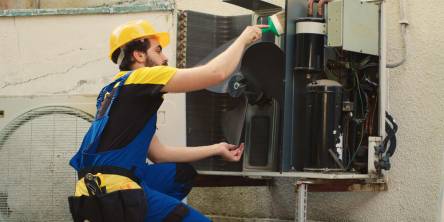
Heating and cooling equipment affect more than the temperature on the thermostat. It influences comfort between rooms, humidity, airflow, and the condition of the air as it moves through the home.

The key to a minimalist living room is restraint, but that's not enough to make a room feel finis

Rectification of exterior cladding may be required during the lifetime of a building for several reasons: to replace non-compliant cladding/combustible panels, to repair damage, to improve energy efficiency, or to modernise an older building.

A tunnel greenhouse is designed to provide years of growing space, but not every part of the structure has the same lifespan.
Australian hardwood presents a very different challenge from the lighter timber commonly used in many parts of the northern hemisphere.

Why Do Concrete Driveways Turn Orange After Summer Rain? Learn the causes—rust, minerals, irrigation—and how to clean and prevent stains.

DIY mistakes can quickly turn a money-saving project into an expensive repair. Learn how better planning, the right tools and knowing when to call a professional can help you avoid costly setbacks.
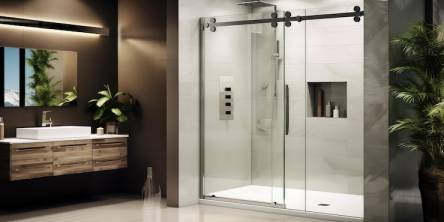
Modern bathrooms have evolved from purely functional spaces into relaxing retreats that balance comfort, aesthetics, and practicality.