

Thinking About Painting? Pressure Wash First (Here’s Why)
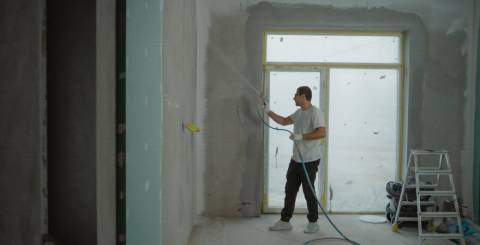
Painting a house sounds simple. Pick a color, grab a brush, and go. But one big step often gets skipped. That step? Pressure washing.
Paint needs a clean surface. Dirt, dust, and old paint prevent strong adhesion. The result? Peeling, cracking, or fading after a few months. A pressure wash avoids those issues.
Why Pressure Washing Matters Before Painting
Paint sticks better to clean walls. That’s a fact. Pressure washing removes layers of grime. Think mold, mildew, spider webs, pollen, and old peeling paint. Leaving them behind leads to weak paint jobs.
A study by Sherwin-Williams confirms this. Surfaces with debris reduce paint longevity by up to 40%.
Clean surfaces let primer and paint grip well. That means fewer touch-ups. It also means fewer coats. Less time. Less money.
Skip Pressure Washing? Expect These Problems
1. Paint Peeling Fast
Dirt and grease push the paint away. Even expensive paint can fail fast on dirty siding.
2. Visible Bumps and Streaks
Debris shows through the paint. Smooth walls? Not anymore.
3. Stains Bleeding Through
Mold or rust spots return quickly. They seep through fresh coats.
4. Shorter Paint Life
A new paint job should last 5–10 years. Without cleaning, expect 2–3.
5. Wasted Money
Repainting after one year? That’s money down the drain.
Read more:
- Four Ways to Improve the Look of Living Room Fast
- The Top Ways to Add Personality to Your Dull Interior
What Pressure Washing Removes
- Dirt and Dust: Wind blows particles onto walls daily.
- Mildew and Mold: Especially in shady, wet spots.
- Chalking: Old paint turns powdery. It stops new paint from sticking.
- Spider Webs and Insects: These don’t just look bad. They also ruin fresh paint.
Best Surfaces to Pressure Wash
- Vinyl siding
- Wood (with care)
- Brick
- Stucco
- Concrete porches and patios
Pressure washing isn’t just for exterior walls. Don’t forget decks, fences, or garage doors. All areas to be painted must be cleaned.
How Long to Wait After Washing?
Let the surface dry fully. This prevents water from getting trapped. Trapped water leads to bubbling and peeling later. For most homes, 24 to 48 hours is enough.
Humidity and temperature affect drying time. Warm, dry weather helps. Cool, damp days need more time.
DIY or Hire a Pro?
Both options work. Just know the risks.
DIY
You can rent a pressure washer from most hardware stores. Average cost? $40–$100 per day. Choose electric for small jobs. Gas-powered works better for large areas.
But be careful. Too much pressure can damage wood or crack stucco. Don’t spray too close. Keep the nozzle at least 12 inches from the surface.
Hire a Pro
Hiring a contractor costs more—$200 to $500 for a full house. But pros know what pressure level works for each surface. They move faster. They avoid damage.
For tall homes, pro help is safer. No ladders. No slips.
Use the Right Cleaners
Water alone doesn’t remove mildew or oil. Use house-safe detergents. Many attach right to the pressure washer.
Bleach-based cleaners kill mold. Just be cautious near plants. Cover flowers and shrubs. Rinse them well after washing.
Some eco-friendly options exist. They work well for light dirt and dust.
Quick Tips Before You Start
- Close all windows.
- Cover outlets.
- Move furniture and potted plants.
- Wear eye protection.
- Test pressure on a small corner.
Why Pressure Washing Saves Money Long-Term
Painting isn't cheap. Supplies, labor, and time all add up. Skipping surface prep leads to faster wear and tear.
According to HomeAdvisor found this: prepping a house right adds 3–5 more years to the paint’s lifespan. That’s serious savings.
Repainting every three years? That adds up. Washing first may save you thousands over time.
Don’t Forget Gutters and Roof Edges
Dirt hides in gutters and roof lines. Rain pushes this dirt down over fresh paint. That stains your walls quickly. Cleaning the top edges keeps paint fresh longer.
Gutters often hold black mold and green algae. Wash these before painting.
Final Words: Clean First, Paint Later
Pressure washing isn't a maybe. It's a must.
Painting over dirt guarantees problems. Short paint life. Ugly spots. Extra costs.
A clean surface means better results. Stronger adhesion. Longer durability. Fewer repaints.
So before you pick up a paintbrush, grab that pressure washer. Let clean walls give your paint job the fresh start it deserves.
Similar Articles

Running out of room? Happens to almost everyone eventually. Garages fill up, closets overflow, and suddenly the lawnmower is living next to the holiday decorations in some awkward standoff.
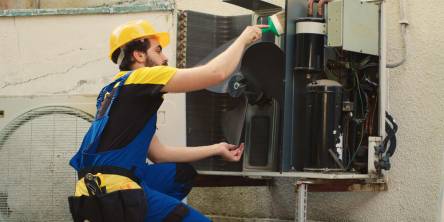
Heating and cooling equipment affect more than the temperature on the thermostat. It influences comfort between rooms, humidity, airflow, and the condition of the air as it moves through the home.

The key to a minimalist living room is restraint, but that's not enough to make a room feel finis
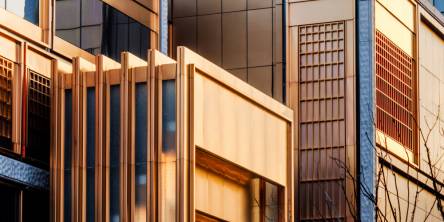
Rectification of exterior cladding may be required during the lifetime of a building for several reasons: to replace non-compliant cladding/combustible panels, to repair damage, to improve energy efficiency, or to modernise an older building.
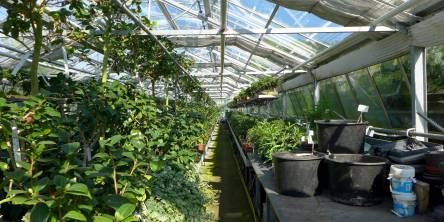
A tunnel greenhouse is designed to provide years of growing space, but not every part of the structure has the same lifespan.
Australian hardwood presents a very different challenge from the lighter timber commonly used in many parts of the northern hemisphere.
Why Do Concrete Driveways Turn Orange After Summer Rain? Learn the causes—rust, minerals, irrigation—and how to clean and prevent stains.
DIY mistakes can quickly turn a money-saving project into an expensive repair. Learn how better planning, the right tools and knowing when to call a professional can help you avoid costly setbacks.
Modern bathrooms have evolved from purely functional spaces into relaxing retreats that balance comfort, aesthetics, and practicality.