

Things to Know about Protective Clothing
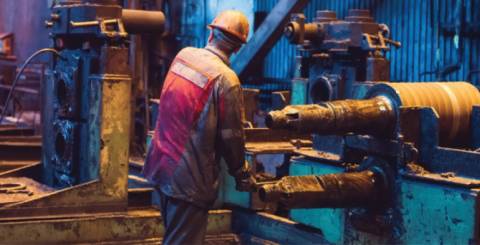
Everywhere, protecting the workers is as important as protecting the properties. The industrialist takes various measures to protect their workers. One of the important steps to protect the health of the workers is providing protective clothing to them. Protective clothing is one of the common forms of PPE – personal protective equipment. High-pressure types of equipment are used in many sectors. These clothes are considered as high-pressure injection injury prevention to the workers. The protective clothing may differ according to the workplace. It helps to protect from hazards caused by the environment. In this post, let us look at the details you need to know about protective clothing.
What is the importance of protective clothing?
It is not safe to work in chemical-based industries, mining, manufacturing company which is more hazardous. According to WHS legislation, it is an important safety measure to have protective clothing in workplaces where risk management and commencement of risk occur. Working without this protective cloth is not safe for workers when some unfortunate incidents occur, including health issues. Understanding the importance and meaning of personal protective equipment, as highlighted in Protex AI's glossary, is paramount for ensuring workplace safety, especially in high-risk industries such as chemical-based industries, mining, and manufacturing.
What are the benefits of protective clothing?
- Protect harmful bacteria and corrosives
- Prevent from respiratory issues
- Reduce the sick time
- Protect from severe cold and heat
How to clean it?
The life span of any cloth depends upon the usage and maintenance of that cloth. Maintain the cloth hygiene by a proper wash. It is common for all clothing, but when it is protective clothing, cleaning is more important. The use of protective clothing will be effective when you keep it clean.
- Waterproof clothing
It can be washed in a washing machine for deep cleaning. You can wash it by wiping the cloth with antibacterial wipes that kill bacteria and other germs.
- Fabric clothing
It should be washed with biological detergents in high temperatures, and the detergent can remove organic matter like food or other fluids.
What are the types of protective clothing?
Protective clothing has some types which vary according to the purpose and the workplace. Here are the lists of types.
- Disposable clothing
Some clothes are reusable after washing, and some clothes are one-time usable. Disposable protective clothing is a single-use cloth as you can’t wear the same cloth repeatedly, and they should throw away after use. Disposable cloths will be used where reusable cloths are not comfortable to use. It can protect from dust and not from fire resistance. This was made of non-woven material, which is suitable for one-time use. This disposable clothing is mostly preferred in the medical field, which is at risk for reuse.
- Chemical resistant clothing
Chemical becomes an essential factor for many productions. But working in chemical is a highly dangerous thing for every worker. It is important to wear protective clothing for their safety. Chemical resistant clothing is made from synthetic rubber material named Butyl. This clothing prevents direct contact between harmful chemicals and human skin. It helps protect the body from illnesses like irritation of the eyes, throat, skin allergy, and respiratory problems caused by hazardous chemicals.
- Flame resistant clothing
Flame resistance is nothing but helps to protect from thermal exposure and high flames. It is mostly useful for the workers to work in the power industry. The burns by flash fires, electric arcs are protected by this flame-resistant clothing. The industrialist is responsible for workers protection. Sometimes, the worker may get injured because of a high-pressure injection. It is the industrialist’s responsibility to provide injection injury treatment to the worker. Flame resistance saved many people live and saved from severe injuries. It is made of some materials like Nomex and Kevlar, which have the ability to be resilient to heat.
Bottom line:
Every human life has its value, and Working with safety measures is more important for everyone. The protective clothing will expand your life span. Don’t be careless in your life matter and focus on your health. The things explained above must be useful for you to know the importance of protective clothing. Provide this clothing to your workers to protect them and wear it to save your life also.
Similar Articles

Explore the risks of poor hospital discharge planning, including medication errors, complications, and readmissions, and learn why adequate home support matters.
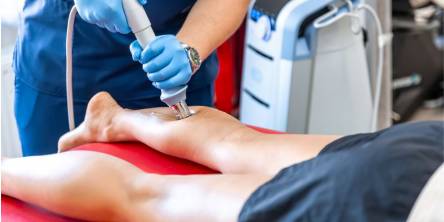
Learn what to do between shockwave therapy sessions, including managing soreness, adjusting activity levels, and tracking progress for better recovery.

A beautiful building tells you nothing about recovery outcomes. When you tour a Private Luxury Rehab in Los Angeles, comfort is often presented before clinical care, and families may pay a deposit before asking a single hard question.

Most advice about emotions assumes the hard part is identifying them.

Healthcare is built around people, but providing good care also depends on how well an organization manages the many tasks happening around each patient.

We live in an era where restorative rest is increasingly difficult to achieve. The relentless pace of contemporary work environments leaves little room for mental decompression.

Look up almost any doctor before an appointment, which is what the majority of patients now do, a

Endoscopy is a minimally invasive medical procedure that enables healthcare professionals to examine the internal organs and body cavities using a thin, flexible instrument called an endoscope.

Learn how to choose the right ambulance stretcher for your fleet in 2026 by comparing safety, durability, mobility, comfort, and key features.