

Could Intensive Outpatient Be the Missing Link in Your Recovery Plan?

Recovery isn’t one-size-fits-all. You may have already realized that. Maybe you've tried inpatient treatment and felt like it helped, but it didn’t quite cover what came next. Or maybe you're managing day-to-day sobriety but need more structure without being pulled completely out of your regular life. That’s where intensive outpatient programs come into the picture.
They're often overlooked or misunderstood, yet they can play a critical role in long-term recovery. If you feel like something’s missing between treatment and fully stepping back into everyday life, this could be what bridges that gap.
What Exactly Is an Intensive Outpatient Program?
An intensive outpatient program, or IOP, sits somewhere between inpatient treatment and standard therapy. It’s more structured than traditional weekly sessions but doesn’t require you to live on-site. You still sleep in your own bed, go to work, and maintain responsibilities. But several hours a week are carved out for focused, ongoing support.
Typical IOPs involve:
● Multiple sessions per week – Usually around 3 to 5 days a week for a few hours each day
● Group therapy – A space to build connection, accountability, and learn from others
● Individual counseling – Tailored work with a therapist to dig into deeper personal challenges
● Skill-building – Tools to handle stress, triggers, and everyday situations without relapsing
● Psychoeducation – Learning about addiction, mental health, coping strategies, and relapse prevention
That structure gives enough intensity to keep recovery at the forefront without removing someone from their normal routine.
Who Is It Best For?
IOPs aren’t for everyone. But they can be the right fit for people in specific stages or situations. For example:
● You’ve completed inpatient or residential treatment and need structured follow-up that keeps momentum going.
● You’re experiencing early signs of relapse and want to get back on track before things get worse.
● You have a stable home life and support system, so you don’t need full-time supervision but still want focused help.
● You’re juggling work, family, or school, and full-time treatment would cause disruption you can’t manage right now.
It’s not a watered-down version of inpatient care. It’s a different tool for a different need.
Why It Fills a Critical Gap
One of the biggest challenges in recovery is the transition back into the real world. That’s often where cracks start to form. You leave the structure of treatment, feel motivated and clear, but then life hits — stress, triggers, familiar routines. Without the right support, relapse risk rises.
IOP offers something crucial in that transition:
Consistency
You don’t go from daily support to once-a-week therapy overnight. IOP helps ease that shift with continued care.
Real-life integration
Since you’re still living at home, you get to practice what you’re learning in therapy in real time. That kind of real-world application speeds up skill development and self-awareness.
Accountability
With regular check-ins and group sessions, you’re never drifting too far from the core focus of your recovery.
It doesn’t just help you stay sober. It helps you build a life around that sobriety.
What Makes It Different From Standard Outpatient Therapy?
If you’ve only experienced once-a-week counseling, an IOP can feel like a much deeper dive. The difference isn’t just frequency. It’s also in the structure, the variety of sessions, and the intensity.
More hours, more frequency
Instead of 1 session a week, you’re attending several hours over multiple days.
Group plus individual therapy
You benefit from both personal work and peer interaction.
Recovery-focused topics
Sessions are usually designed specifically around substance use, coping skills, emotional regulation, and relapse prevention. Standard therapy might touch on these, but IOP stays focused.
This kind of focus creates faster progress and can be especially effective when you’re facing complex emotional patterns tied to substance use.
What to Expect Day-to-Day
Daily life in an IOP varies depending on the program, but most have a core rhythm that makes things predictable and manageable.
You’ll typically attend a mix of group and individual sessions, with themes ranging from emotional resilience to communication skills. Some days might focus on practical strategies for avoiding triggers. Other days might explore deeper emotional work.
The overall tone is one of community and growth. You’re not just sitting in a chair being lectured. You’re participating, listening, sharing, and learning with others who understand what you’re working through.
Outside the program hours, you go to work, handle family responsibilities, and continue living your life. That blend of structure and freedom is part of what makes IOPs so effective.
How to Know If You’re Ready
Some people wait too long to seek this kind of help. They assume that because they’re not in full relapse, they’re doing “okay enough.” But if any of the following feels familiar, it’s worth considering:
● You feel like your sobriety is starting to slip or become unstable.
● You’ve recently finished a higher level of care and are unsure how to maintain progress.
● You’re feeling isolated and disconnected from your recovery community.
● You need support, but can’t step away from work or family responsibilities.
● You’re struggling with emotional regulation or overwhelming stress that could threaten your progress.
IOPs are designed for that in-between space. If you feel like your recovery isn’t crumbling but also isn’t thriving, that’s a valid reason to take action.
When the Next Step Isn’t a Leap
Not every part of recovery needs to be dramatic. Sometimes the most important steps are the quieter ones. The ones that fit into your real life and give you strength over time, not just in a controlled environment.
If you’ve been looking for something that offers structure without shutting you off from your daily responsibilities, intensive outpatient could be that next step. Not extreme, not overwhelming. Just what you need, when you need it.
Recovery is a process, and IOP might just be the piece that makes it whole.
Similar Articles

Healthcare is built around people, but providing good care also depends on how well an organization manages the many tasks happening around each patient.

We live in an era where restorative rest is increasingly difficult to achieve. The relentless pace of contemporary work environments leaves little room for mental decompression.

Look up almost any doctor before an appointment, which is what the majority of patients now do, a
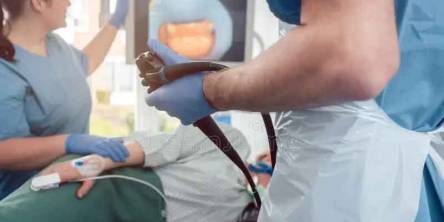
Endoscopy is a minimally invasive medical procedure that enables healthcare professionals to examine the internal organs and body cavities using a thin, flexible instrument called an endoscope.
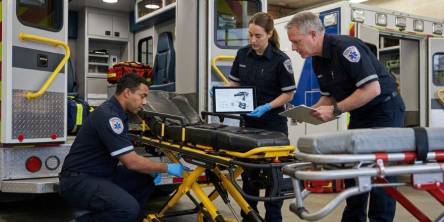
Learn how to choose the right ambulance stretcher for your fleet in 2026 by comparing safety, durability, mobility, comfort, and key features.

Look at how people around you actually watch things. Captions on. Not in a noisy train carriage, not in a shared flat at midnight, but at home, alone, on a good television, by people whose hearing is fine.

Finding the right medical daycare involves more than choosing whichever center is closest to home.

Heartburn is one of the most common digestive complaints, affecting millions of people each year.

Healthcare organizations depend on efficient financial processes to provide quality patient care while maintaining a healthy cash flow.