

System Testing: What? Why? & How?

Software testing is always considered as the main component in software development lifecycle as it helps in detecting the bugs in the existing software and also helps in maintaining the software quality. If you are also going to develop software application then I must suggest you to perform software testing to get out bets in the market. But before going into software testing you must have some knowledge about testing and its types.
In this blog I will discuss about the system testing and how it is used in the IT industry.
Generally System testing is the type of testing to check the behaviour of a complete software product based on the software requirements specification (SRS) document. The main focus of this testing is to evaluate Business / Functional / End-user requirements.
Testing the completely included applications including exterior peripherals to be capable to check on how components connect to each other and with the machine all together. This is also known as End to end testing scenario.
Verify thorough trials of every source in the application form to check on for desired outputs.
Evaluating of the user's experience with the application form. .
That is clearly a very basic information of what's involved with system testing. You will need to build precise test circumstances and test suites that test each facet of the application form as seen from the exterior without taking a look at the real source code.
Software Assessment Hierarchy
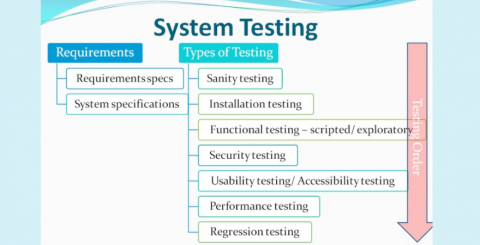
As with nearly every specialized process, software assessment has an approved order where things should be achieved. The next is a set of software trials categories set up in chronological order. They are the steps taken up to totally test new software in prep for marketing it:
Unit test - Testing performed on each component or stop of code during development. System testing is generally done by the programmer who creates the code.
Integration Testing – This testing method has been applied before, after and during integration of a fresh module into the key software package. This calls for testing of every individual code component. One software application can contain several modules which are generally created by a number of different programmers. It is very important to check each module's influence on the complete program model. As this will help in determining the connection and quality of the product.
System Evaluation - Tests done by a skilled software tester on the completion of software product before it is launched in the marketplace. This test is necessary to perform as this will determine if the software is ready to deliver or not.
Acceptance assessment - Beta tests of the merchandise done by the genuine end users.
Various kinds of System Testing
You will find more than 50 types of System Test. Listed below are some test that are included in the category of system testing.
Usability Testing – Usability Testing mainly emphases on the user's easiness to use the software application, flexibility in handling controls and capability of the system to meet its objectives.
Load Testing – This type of testing is necessary to determine whether the software application perform in real life load or not.
Regression Testing- This type of testing includes regression test that make sure none of the changes that has been made in the SDLC process have resulted in causing new bugs. It also makes sure no old bugs appear from the addition of new software modules over time.
Migration Testing- Migration Testing is performed to ensure that the program can be transferred from old system to current system without the issues.

Functional Tests - Functional testing consists of trying to think about any possible absent functions. Testers might create a set of additional functionalities a product can have to boost it during practical testing.
If I missed out addressing some important points on System testing then let me know in comments below.
Similar Articles

Running a restaurant involves much more than taking orders and serving food.

Field sales teams handle numerous responsibilities every day. Sales representatives travel between customer locations, conduct meetings, collect orders, record information, and report their activities to managers.
The app development market has evolved significantly over the past decade or so. Its impact on business has been equally consequential.

Offshore IT hiring means recruiting IT professionals who work from another country or region. Companies commonly use this approach for software development, QA, IT support, DevOps, cybersecurity, data, and project management.

By 2026, moving to the cloud is no longer merely a competitive advantage. It is a business necessity. Every organization across the broad spectrum of industries will be challenged to become more agile.
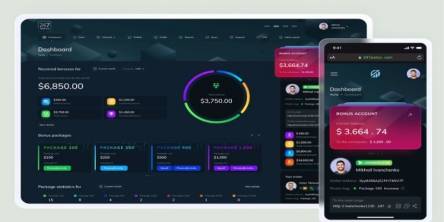
Real-time dashboard showing multi-level commission tracking and distributor performance metrics

Digital transformation initiatives are no longer unheard of in the corporate world. As a matter of fact, it is also well known that companies expanding their digital footprint tend to run into crippling legacy apps.

The financial aid office has become one of the most operationally strained departments on the modern U.S. campus. FAFSA complexity, chronic staff turnover, tightening Title IV compliance obligations, and the persistent problem of unspent scholarship dollars have pushed administrators toward purpose-built financial aid management software
The demand for software delivery has never been higher. Applications must be delivered faster and on a scale like never before.