

The Sagrada Familia: History, Architecture and Fun Facts
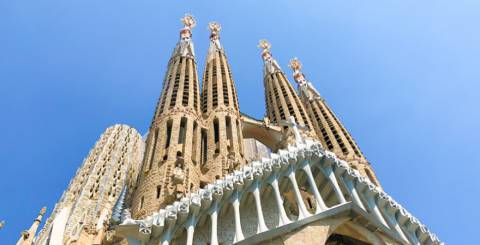
A Brief History
By the time the Sagrada Familia, Barcelona’s crown jewel is complete it will be the largest church in the world. Although many credit Antoni Gaudi with the building, the initial idea actually sprung from the mind of one Josep Maria Bocabella, a book publisher. Interestingly, Gaudi did not begin the project as the head architect. No, initially the project was to be overseen by Francisco del Villar. However, Francisco proved difficult and would not compromise on his designs despite them costing too much money. As a result, he resigned. It was at this point, that Gaudi, at the age of 31 years old, took the reins.
Although Gaudi would work on many other projects throughout his lifetime, the Sagrada would be his greatest work. Slowly, the structure consumed him, and towards the end of his life the Catalan architect moved into the rubble of the construction site and became devoutly religious. Sadly, Gaudi was killed by a tram in 1926 and died only a few streets away from the Basilica that had come to define his career.
Architectural Insights
The Sagrada Familia, from the outside, appears to have an organic texture. This reflects, as do many other elements of the Basilica magnificent architect, Gaudi’s belief that the natural world is imbued with spirituality. The three facades, the Glory, the Nativity, and the Passion which face south, east and west respectively, each create a visual representation of Christian beliefs. Gaudi oversaw the construction of the Nativity Facade, while Josep Maria Subirach was responsible for the majesty of the Passion facade.
Inside, the central nave of the Basilica stands at a towering height of 45 meters and is supported by columns built to resemble the tall trees of a forest. The columns draw the eye upwards, where they branch out and call attention to the ceiling vaults and the apertures, finished with beautiful Venetian glass and tiling, that delicately filter light through.
Currently, the Sagrada Familia only boasts eight towers. However, upon completion, the Basilica will consist of 18 towers. Twelve of these towers will represent the apostles and will stretch approximately 100 meters high. Four will represent the evangelists and at the north end, standing over the apse, another will represent the Virgin Mary. The last and, without a doubt the most significant, will be the central tower. This tower will stretch 172 meters high and represent Jesus Christ.
Now for the fun stuff...Five Fun Facts
1. You’re helping to build it
Your visit to the Sagrada Familia helps to fund its construction! Costing about 25 million euros a year, ticket sales and charitable contributions are what help to keep this amazing project alive and on track for completion in 2026. Fingers crossed!
2. One meter shy
The Sagrada Familia’s central tower will reach a staggering height of 172 meters when it is finally finished. This will make it the tallest religious building in Europe, swiping the title from southern Germany’s 162 meters tall Ulm Cathedral. However, Antoni Gaudi strongly believed that nothing man-made should out-shine God’s work in the natural world. So, with deliberate intention, Gaudi built the Sagrada Familia to be exactly one meter shorter than Barcelona’s highest point, Montjuic mountain.
3. On-site education
In the early days of the Sagrada Familia’s construction, Gaudi built a small school. This was to accommodate the children of the construction workers helping to build the basilica. Now, the structure is a site that houses an exhibition on the Sagrada and continues to educate the hundreds of tourists who pass through its doors.
4. A final resting place
This may not come as a surprise to everyone, but The Sagrada Familia is home to Antoni Gaudi’s final resting place, his tomb. Located beneath the basilica, on the underground level in the chapel dedicated to the El Carmen Virgin, people are allowed to visit the tomb to pay their respects.
5. 150 years is a long time
It’s no secret the Sagrada Familia has been in construction for a long, long, long time. Although Gaudi dedicated decades of his life to the construction of the Basilica, he knew that it would not be completed in his lifetime. In fact, when Gaudi died in 1926, the Basilica was only a quarter of the way finished. With an estimated completion date of 2026, by the time it is finished the Sagrada will have taken just under 150 years to build. That is longer than it took to build the Egyptian pyramids and only 50 years less time than it did to put up the Great Wall of China.
Similar Articles
Most people find their way to Aboyne first as visitors, usually on a weekend break exploring Royal Deeside.

You know that feeling when you're on holiday and just as you're starting to relax, it's time to pack up and go home? That's the curse of the short break. But Tenerife is different when you give it time.
To get the most out of your trip, you have to be able to regulate your emotions and perception. But how do you master that? Check out this article to discover how your feelings influence what you see.
Aberdeenshire. Scotland’s northern gem. It has everything you could want: natural beauty, economic opportunity, and a rich quality of life. It’s a perfect place to call home.

Celebrating Christmas Day in Sydney is a delightful experience, especially with the city's stunning waterfront dining options. Sydney not only offers a wealth of dining experiences but also ensures a memorable festive ambience across its Eastern suburbs

Discover Flinders Island in Tasmania — pristine beaches, wildlife, hiking, rich culture, and fresh local produce. A peaceful escape for adventure lovers.
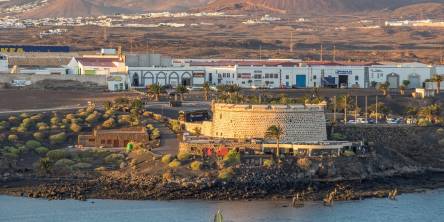
Everyone talks about Santorini. Or the Amalfi Coast. Or the Scottish Highlands if they're feeling adventurous. But Lanzarote? It barely gets a mention.

Explore Ghana’s top 10 tourist sites & their locations! From Cape Coast Castle to Wli Waterfalls, discover rich history, culture & natural beauty. Plan now!

Vietnam has quickly become a premier destination for golf enthusiasts, offering a unique blend of stunning coastal landscapes, world-class courses, and luxurious accommodations. From the vibrant shores of Da Nang to the tranquil beauty of Phu Quoc, the country is home to some of the best golf courses in Southeast Asia.