

Pain Management Is A Costly Endeavor

It is estimated there are more than 100 million people in the United States that suffer from chronic pain. Medical professionals in the pain management arena are becoming one of the fastest growing positions there is today. This is partly due to the government and insurance companies cracking down on pain medication prescriptions. And another reason is because more and more people have lost their insurance or they simply want a healthier way to live and are looking at other alternatives to pain management.
A Common Ailment That Is Costly
Pain is not just pain. There is chronic pain and there is acute pain and chronic is different from acute pain. Acute pain is a temporary pain that goes away in a day or two, a week at the most. Chronic pain lingers on and may be constant, even if just faintly, it is there. Chronic pain can come from an injury or without an injury. Some of the complaints most common with chronic pain are headaches, joint pain and lower back pain. The joint pain is usually associated with osteoarthritis, an underlying disease that is often misdiagnosed when a doctor is trying to help a patient with pain management.
Pain isn’t visible from the outside, other than the look on the person’s face perhaps. People around you can feel your pain or hear your pain. But it can cause an expense that we can all relate to because it will eventually affect all us. Combined costs of medical treatments and workplace productivity loss cost over $600 billion annually. For those who don’t have chronic pain may wonder how those costs affect them, it all has to be made up somewhere along the line. While it may not be you paycheck affected from days missed at work, you may pay the cost on the retail end of the chain.
Pain Is More Than Just Pain – It Is A Disease
Pain is more than just pain. It is a disease that can cause damage to a person’s nervous system. It can cause damage to the brain. Because of the possible long-term effects of pain, it can be dangerous for a person to let their pain go untreated. And this is why a pain clinic in can be the best place to go for help with a person suffering from chronic pain.
Today, pain management treatment can involve more than just medications. There is physical therapy, psychological therapy or interventional therapy as well as other alternative treatments. If a doctor is not fully trained on defining pain and managing pain, it can be improperly treated and ineffective. When one doctor has taken so much time in trying to help a patient with their pain unsuccessfully, insurance companies become reluctant to keep paying for treatment and thus, the patient is left to deal with their chronic pain.
Pain Management Expertise
A patient suffering with chronic pain should look for a different doctor when they feel as if their current doctor isn’t listening to them and not making any positive progress. Pain specialists is a rather new profession, so there are still many doctors out there with inadequate training that still do not have a complete and thorough understanding of pain. Just like buying a car, patients should be more informed and more assertive in choosing a doctor that can help them with their pain management.
And just the same, a patient with chronic pain must understand that there is no such thing as "zero pain" once you have chronic pain. While they expect to receive pain treatment that allows them a lifestyle with a reasonable amount of disruption to their daily life, they need to know there is only so much that can be done, even today.
Similar Articles

Healthcare is built around people, but providing good care also depends on how well an organization manages the many tasks happening around each patient.

We live in an era where restorative rest is increasingly difficult to achieve. The relentless pace of contemporary work environments leaves little room for mental decompression.

Look up almost any doctor before an appointment, which is what the majority of patients now do, a

Endoscopy is a minimally invasive medical procedure that enables healthcare professionals to examine the internal organs and body cavities using a thin, flexible instrument called an endoscope.
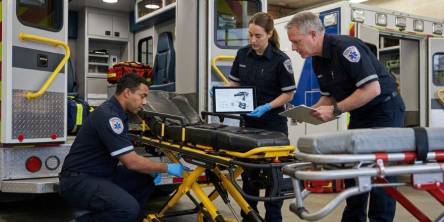
Learn how to choose the right ambulance stretcher for your fleet in 2026 by comparing safety, durability, mobility, comfort, and key features.

Look at how people around you actually watch things. Captions on. Not in a noisy train carriage, not in a shared flat at midnight, but at home, alone, on a good television, by people whose hearing is fine.

Finding the right medical daycare involves more than choosing whichever center is closest to home.

Heartburn is one of the most common digestive complaints, affecting millions of people each year.

Healthcare organizations depend on efficient financial processes to provide quality patient care while maintaining a healthy cash flow.