

The Other Side of Sierra Leone the World Rarely Sees
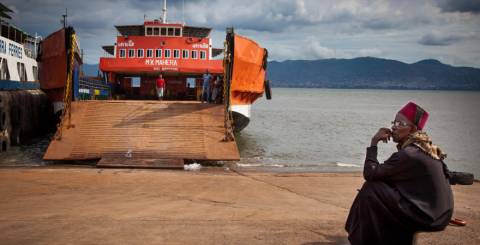
If you've only ever seen Sierra Leone through headlines about war, diamonds and Ebola, you've seen the smallest and oldest part of it. The other side is a country of long conversations on verandahs, football on the beach at low tide, hill villages that smell of woodsmoke and cassava leaf, and a quiet pride in having rebuilt itself from almost nothing. Nobody sends a camera crew to film a good Sunday, which is why you rarely hear about it.
I'm writing this for anyone who's tried to picture everyday life in Sierra Leone and come up blank. For a steadier view over time, read some Sierra Leone news written by people who live here. The difference between that and what reaches the outside world is the whole reason this article exists.
What Is the Real Sierra Leone Like Day to Day?
Loud, warm, social and slow in a way that frustrates you for about three days and then starts to feel sensible. Mornings begin early, with the smell of charcoal fires, the shouts of people selling bread and bananas, and a sky that goes from grey to hot orange before you've finished your tea.
Nobody just walks past each other. You greet, you ask after the family, you ask after the family's family, and only then does the real conversation start. If you skip the greeting and go straight to your question, people will answer you, but you'll feel the temperature drop slightly. I learned that the clumsy way.
Most of the country is also young. You'll notice it on the streets, in the schools at going home time, and in the energy of the music coming out of every second shop.
Why Sierra Leone's Religious Harmony Is the Story Nobody Tells
Roughly three quarters of the population is Muslim and most of the rest is Christian, and the line between them is much softer than outsiders expect. It's completely normal for one family to include both. Brothers pray in different places and still share the same dinner table.
At Eid, Christian neighbours turn up with plates of food. At Christmas, Muslim friends do the same in return. Nobody makes a speech about it.
In my opinion this is the most valuable thing the country has, and it's worth more than any mine. A place that went through a brutal war and came out with its communities still mixed together has done something many wealthier countries haven't managed.
How Do People Actually Talk in Sierra Leone?
English is the official language, but Krio is the one you'll hear. It grew out of Freetown's freed slave communities and absorbed bits of English, Yoruba, Portuguese and local languages. If you can read English you can usually half understand written Krio, but spoken fast it's a different matter.
Learn three phrases and use them without shame. "How di bodi?" is the standard check in, "Di bodi fine" is the answer, and "Tenki" gets you everywhere else. People light up when a visitor tries, even badly. Especially badly, actually.
Beyond Krio there's Mende in the south and east, Temne in the north, and Limba, Kono and many others. A taxi ride can include three languages without anyone noticing.
Football, Tea and the Evening Social Life Nobody Writes About
Football is as close to a national religion as you'll find. At low tide in the late afternoon, the beaches around Freetown fill up with games that start with five people and end with forty. Goalposts are sticks, the pitch is wet sand, and the commentary from the sidelines is better than anything on television.
Tea is the other thing. In some neighbourhoods you'll see groups of men sitting around small charcoal stoves brewing ataya, a strong green tea poured between glasses until it froths and served in tiny, bitter rounds. It takes ages. That's the point. Sit down, accept a glass, and say yes to the second one as well.
Evenings are for sitting outside. Power cuts push everyone out of the house anyway, so the street becomes the living room, with music from somebody's speaker and the smell of fish frying somewhere nearby.
What Do Sierra Leoneans Eat at Home?
Restaurant food and home food aren't quite the same thing. At home you'll find cassava leaf and potato leaf stews cooked for hours with palm oil, fish and sometimes meat, ladled over rice. Plasas, another leaf stew, is common and deeply savoury. Rice is the centre of nearly every meal, and a day without it doesn't feel complete to many people.
The thing that surprised me was how the meal works. A big pot, a shared bowl, and an unspoken rule that the guest gets the best piece. If you're invited to eat, say yes. And don't refuse a second helping unless you really mean it, because it'll be put on your plate anyway.
Actually, one more thing on this. Street food like fried plantain, roasted corn and grilled fish is worth trying, but eat where there's a queue of locals and the food's cooked in front of you. It's the simplest food safety rule there is.
Fashion, Music and the Creative Side of Freetown
Walk through any market and your eyes will hurt in a good way. Tie dyed cloth called gara hangs in huge bright bolts, and tailors work in tiny stalls with old sewing machines, turning fabric into a finished outfit in a few days. Families often wear matching cloth for weddings, funerals and naming ceremonies, so a celebration looks like a single enormous painting.
Music is everywhere, from Afrobeats in taxis to Sierra Leonean hip hop, gospel and old Krio songs at parties. Artists, designers and young entrepreneurs are building things in Freetown with very little support. If you meet someone with a start up idea over a beer, don't be surprised. They're everywhere.
Beyond Freetown: The Sierra Leone Most Visitors Never Reach
The capital isn't the country. Bo and Kenema in the south and east, and Makeni in the north, have their own character, their own food and their own pace. Towns are smaller, voices are quieter, and the red dust on the roads gets into everything.
Out of the cities, the nature is the real surprise. Gola Rainforest National Park is one of the largest remaining patches of rainforest in the region, and the Loma Mountains, with Mount Bintumani as the highest peak in the country, are properly wild. The Turtle Islands and Sherbro area in the south are slow, remote and reached by boat, which tells you everything about the pace.
I'll be honest, these places take effort, a good driver, patience, and a flexible schedule. Most of them aren't set up for casual visitors, and that's exactly why they're worth it.
What's Hard About Life in Sierra Leone?
I don't want to write a love letter and leave it there, because that wouldn't be fair to anyone who lives here. Electricity is unreliable. Prices have climbed and many families struggle to cover basics. Healthcare is stretched, roads wear out quickly in the rains, and a lot of young people want opportunities the country can't yet give them.
You'll see people working very hard for very little. That's real, and it sits alongside the warmth and the humour rather than cancelling it.
The truth is that a country can be difficult and wonderful at the same time. Most people live like that, honestly.
How to Visit Sierra Leone Respectfully
A few small habits change everything. Greet before you ask for anything. Use your right hand to give and receive. Ask before you photograph someone, and accept it if they say no. In smaller or more traditional communities, dress modestly, with shoulders and knees covered.
If you come across masked figures at a traditional event, don't photograph them or crowd them. Some of these ceremonies are connected to secret societies and are private for good reasons. Ask a local guide what's appropriate before you point a camera at anything.
And don't treat poverty as a photo opportunity. The person selling oranges on the corner has a name, a family and an opinion about football.
Where to Keep Up With the Real Sierra Leone
Once you start noticing the other side of this country, you'll want more of it. The Sierra Leone Today Facebook page is a good place to see what people are talking about week to week, from local events to everyday life, in a way a guidebook never captures.
Treat it like listening in on a long conversation. You won't catch everything at first, but you'll start to hear what matters.
One Last Thing
If you remember one thing from this, make it this. Sierra Leone doesn't need to be saved, rebranded or pitied. It needs to be seen properly.
Come with curiosity, leave the checklist at home, and let someone explain their favourite football team for half an hour. That's where the country actually lives.
Similar Articles
Most people find their way to Aboyne first as visitors, usually on a weekend break exploring Royal Deeside.

You know that feeling when you're on holiday and just as you're starting to relax, it's time to pack up and go home? That's the curse of the short break. But Tenerife is different when you give it time.
To get the most out of your trip, you have to be able to regulate your emotions and perception. But how do you master that? Check out this article to discover how your feelings influence what you see.
Aberdeenshire. Scotland’s northern gem. It has everything you could want: natural beauty, economic opportunity, and a rich quality of life. It’s a perfect place to call home.

Celebrating Christmas Day in Sydney is a delightful experience, especially with the city's stunning waterfront dining options. Sydney not only offers a wealth of dining experiences but also ensures a memorable festive ambience across its Eastern suburbs

Discover Flinders Island in Tasmania — pristine beaches, wildlife, hiking, rich culture, and fresh local produce. A peaceful escape for adventure lovers.
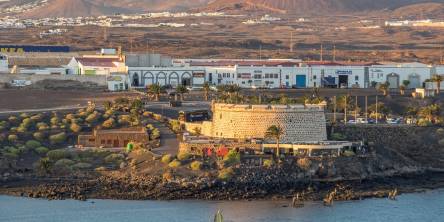
Everyone talks about Santorini. Or the Amalfi Coast. Or the Scottish Highlands if they're feeling adventurous. But Lanzarote? It barely gets a mention.

Explore Ghana’s top 10 tourist sites & their locations! From Cape Coast Castle to Wli Waterfalls, discover rich history, culture & natural beauty. Plan now!

Vietnam has quickly become a premier destination for golf enthusiasts, offering a unique blend of stunning coastal landscapes, world-class courses, and luxurious accommodations. From the vibrant shores of Da Nang to the tranquil beauty of Phu Quoc, the country is home to some of the best golf courses in Southeast Asia.