

Choosing Waterfowl for Your Homestead: Geese, Ducks, or Both?
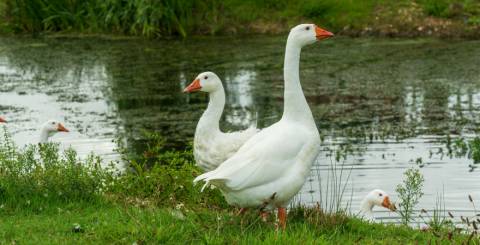
A small flock can bring plenty of life to a homestead. Ducks dabble in puddles, geese graze across the yard, and both can become familiar parts of the daily routine. But choosing waterfowl is about more than deciding which birds look charming. The right fit depends on your space, your goals, your tolerance for noise and mess, and the time you can give to everyday care. Geese and ducks have different habits, needs, and temperaments. Neither is automatically easier, and keeping both does not always mean twice the enjoyment with no extra work. Thinking through a few practical questions before bringing birds home can help you choose a flock that suits your family and your property.
Start with the life you want on your homestead
Before comparing breeds, consider what you hope the birds will add to your household. Are you interested in eggs, natural lawn grazing, a lively presence in the garden, or simply the experience of raising animals? You may have several goals, but it helps to rank them. A flock selected mainly for eggs may look different from one chosen for grazing or companionship. Also take an honest look at your routines. Birds need fresh water and feed, secure housing, and regular attention. Someone must check on them every day, including on busy mornings, cold weekends, and during vacations. If your schedule is already stretched, a smaller flock may be a better starting point than a mixed group. Local rules matter too. Town or neighborhood ordinances may limit poultry, restrict roosters or ganders, or set requirements for setbacks and animal housing. Check those rules before you build a shelter or bring birds home. If you live close to neighbors, think carefully about sound, smells, and where the birds will spend their time.
Ducks: busy, curious, and water-loving
Ducks are often a natural choice for families interested in eggs. Many breeds lay regularly, though production varies by breed, season, age, daylight, diet, and individual bird. If eggs are your main reason for keeping ducks, research the laying habits and adult size of the breeds you are considering rather than relying on a general claim about all ducks. Their personalities are active and inquisitive. Ducks forage, investigate their surroundings, and communicate with a range of quacks and calls. They can be entertaining to watch, but their energy has practical consequences. They may trample delicate plants, nibble seedlings, and turn a neat garden edge into a muddy path if they have access to it. Water is essential to duck care, but a pond is not. Ducks need clean drinking water deep enough to submerge their bills and clear their nostrils. They also benefit from a place to bathe and preen. A pond, tub, or purpose-designed water area can work, provided it is safe and the water can be refreshed. Duck bathing areas can become muddy quickly, so plan drainage and cleaning before settling on a location. That water habit is one reason ducks can be messy. They splash and move water around, and their bedding may need frequent attention. A well-planned setup can make the work manageable: place water where drainage is good, use bedding that is easy to replace, and create a routine for cleaning. The goal is not to eliminate mess, but to keep it from spreading into high-traffic areas.
Geese: grazers with strong personalities
Geese are often admired for their ability to graze. With appropriate pasture or yard space, they can spend much of the day eating grass and other suitable vegetation. They still need a balanced diet, clean water, and shelter, and grazing should not be treated as a substitute for thoughtful feeding. The quality and availability of forage change with the season, weather, and condition of the land. Their size and behavior set them apart from ducks. Geese can be vocal and alert to unfamiliar people or activity. Some individuals are calm and easygoing, while others are more territorial, especially during breeding season or when protecting a nest. Their reputation as “guard animals” is often exaggerated. A goose may sound an alarm, but it should not be relied upon to protect people, livestock, or property. Space matters. Geese need enough room to graze and move without crowding, plus secure housing at night. They can damage lawns and gardens when forage is limited or when they repeatedly use the same area. If you want to keep geese near a vegetable plot, plan fencing and a rotation strategy rather than expecting them to respect planted beds on their own. A goose is a long-term commitment. Consider adult size, lifespan, seasonal behavior, and whether you have appropriate space as your flock grows. Since geese are social birds, plan for suitable companionship rather than assuming one bird will thrive alone. Their needs should shape the decision, not just the appeal of a single gosling.
Can you keep ducks and geese together?
A mixed flock can work on some homesteads, but it calls for planning. Ducks and geese may share outdoor space if there is enough room, compatible temperaments, and access to separate resources when needed. Differences in size can matter, particularly around feed and water. A larger bird may crowd smaller birds or make it difficult for them to reach what they need. Housing deserves special attention. Both species need a dry, well-ventilated, predator-resistant place to rest. They may not have identical preferences for perches, bedding, or the layout of a shelter. A setup with enough floor space and separate feeding or resting areas gives birds options and makes it easier to notice if one is being excluded. Water management can become more complicated with both species. Ducks tend to splash and bathe frequently, while geese use water differently. Whichever arrangement you choose, keep drinking water clean and accessible, and make sure the bathing area does not leave the shelter damp. Wet bedding can create unhealthy conditions, so good drainage and regular maintenance are essential. It is also important to introduce new birds carefully. Do not assume that a flock will immediately accept newcomers. Use a gradual introduction with a barrier that lets birds see one another before sharing space, and supervise early interactions. Have a way to separate them if chasing, pecking, or competition becomes a problem. If you are unsure about flock health or introductions, seek advice from a veterinarian experienced with poultry or waterfowl.
Consider the daily work, not just the setup
A coop or shelter is only part of the commitment. Birds need consistent access to suitable feed and clean water. Their housing needs regular cleaning, and outdoor areas may need repairs, drainage improvements, or rotation to prevent overuse. Predators are a real concern in many rural and suburban areas. Secure fencing and nighttime housing are important, and the best protection depends on local risks. There are also seasonal considerations. Hot weather requires shade and reliable water. Cold or wet weather can make dry bedding and shelter especially important. Egg laying may change through the year, and a family that expects a steady supply should understand that production is not always constant. Before buying birds, make a simple plan for who handles care each day and what happens when the usual caretaker is away. Costs extend beyond the purchase price. Feed, fencing, bedding, water containers, repairs, and veterinary care all contribute to the ongoing expense. A low-cost shelter that fails to keep out predators can become costly in other ways. Start with a realistic budget that includes routine supplies and a reserve for unexpected needs.
How to choose the right fit
A few practical questions can make the decision clearer:
- How much space can you dedicate? A flock needs room to move, forage, rest, and access water without damaging every part of the yard.
- What is your top priority? Eggs, grazing, companionship, and a lively homestead atmosphere may point toward different choices.
- How close are your neighbors? Sound and outdoor activity can affect nearby households, especially if birds are vocal.
- Who will care for them each day? A dependable routine matters more than enthusiasm during the first week.
- Can you manage water and mud? Ducks, in particular, benefit from bathing water, which needs a sensible location and a cleanup plan.
- Do you have a secure shelter? A safe nighttime space and appropriate fencing should be ready before the birds arrive.
- What does your local climate require? Shade, drainage, wind protection, and winter care vary by region.
If you are new to raising birds, starting with one species and a modest flock can make the learning curve easier. You can get familiar with feeding, cleaning, predator prevention, and seasonal care before adding another kind of bird. If you choose a mixed flock from the beginning, design the setup to accommodate differences and make separation possible.
Make room for the real birds, not just the idea
Geese and ducks can both enrich homestead life, but the day-to-day experience is shaped by their needs as much as their personalities. Ducks may suit a household that enjoys lively egg layers and can manage splashing and frequent cleanup. Geese may be a good fit where there is adequate grazing space and the family is comfortable with larger, louder birds. Keeping both can bring variety, but it also asks for careful planning and a willingness to adapt. The best choice is not necessarily the most productive breed or the most picturesque flock. It is the one your household can care for well, on the land you actually have, through every season. Take time to check local rules, prepare housing and fencing, and learn what the birds require as adults. With realistic expectations and a thoughtful setup, a small flock can become a rewarding part of homestead life rather than an unexpected burden.
Similar Articles

Every dog parent knows that regular grooming keeps their furry friend looking and feeling their best.

Discover why regular grooming is essential for Cocker Spaniels. Learn how coat care, ear cleaning, nail trimming, and professional grooming help prevent matting, support hygiene, and keep your dog healthy, comfortable, and happy.
The winter season is not only for humans who feel cold and need warmth to maintain their body temperature

Stand in any pet aisle and read a few labels, and one word keeps turning up: chicken. It's in the kibble, the canned food, the freeze-dried toppers, and most of the treats stacked by the register.

The best preventative habits share a common quality: they are invisible in action. You do not see them working. You only notice the absence of the problem they were quietly preventing

Creating a safe and well-organized home environment becomes easier when you have effective tools to manage your pets’ movements.

For many pet parents, juggling work, family responsibilities, and social commitments can make it difficult to give their furry friends the attention they deserve. While we all want to provide our dogs with the best care, finding the time to ensure they get adequate exercise, socialization, and mental stimulation can be challenging

When you need to go away, the thought of leaving your dog behind can be stressful. Boarding is often the best solution, but it's important to prepare your dog for the experience to ensure a positive stay.

When it comes to your pet’s safety, a custom pet ID tag is more than just an accessory—it’s a lif