

The Complete Pet Parent's Choice for Dog Grooming Scissors: Types, Uses & Expert Tips
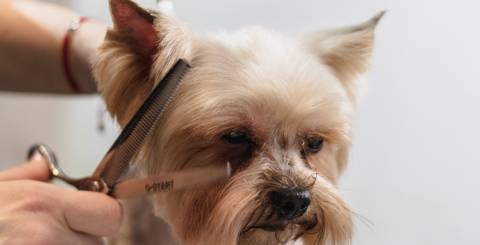
Every dog parent knows that regular grooming keeps their furry friend looking and feeling their best. Whether you have a fluffy Poodle, a sleek Labrador, or a wiry-coated Terrier, the right grooming scissors for dog care can make all the difference between a stressful trimming session and a professional-looking result.
Choosing quality grooming tools isn't just about aesthetics—it's about your dog's comfort and safety. The wrong scissors can pull hair, create uneven cuts, or even nick sensitive skin. But with the proper equipment and technique, you can keep your pup looking salon-fresh between professional appointments or handle all their grooming needs right at home.
Why Invest in Quality Grooming Scissors for Dog Care?
Professional groomers don't rely on regular household scissors, and neither should you. Here's why investing in proper dog grooming scissors matters:
Safety First: Pet grooming scissors feature rounded or blunt tips specifically designed to prevent accidental pokes or cuts to your dog's skin. Regular scissors have sharp points that pose unnecessary risks, especially around sensitive areas like ears, paws, and face.
Precision and Control: Quality dog hair scissors are engineered for precision cutting. They're balanced to reduce hand fatigue during longer grooming sessions and designed to create smooth, even cuts that look professional.
Durability: High-quality grooming scissors maintain their sharpness longer, meaning fewer replacements and consistently better results. Cheap alternatives dull quickly, leading to pulled hair and an uncomfortable experience for your pet.
Versatility: Different coat types require different cutting tools. A comprehensive set of professional dog grooming tools allows you to handle everything from full-body trims to delicate face work.
Types of Dog Grooming Scissors Every Pet Parent Should Know
Understanding the different types of dog trimming scissors helps you choose the right tool for each grooming task:
Straight Scissors: These are your all-purpose workhorses, perfect for general body trimming, leg shaping, and creating clean lines. They typically range from 6 to 10 inches in length, with longer blades covering more area and shorter ones offering better control in tight spaces.
Curved Scissors: The curved blade design is ideal for shaping rounded areas like your dog's head, chest, and rear. They follow the natural contours of your pet's body, making it easier to create professional-looking rounded cuts without multiple passes.
Thinning Scissors (Blending Shears): These specialized scissors have one serrated blade that removes bulk without creating harsh lines. They're perfect for blending different coat lengths, softening lines after cutting, and creating a natural, layered look. Thinning shears are especially valuable for dogs with thick double coats.
Chunking Scissors: Similar to thinning shears but with wider teeth spacing, chunking scissors remove more hair with each cut. They're excellent for quickly reducing bulk in dense coats while maintaining a natural appearance.
Curved Face Scissors: Small curved scissors designed specifically for detailed work around your dog's eyes, ears, and muzzle. Their compact size and curved design provide maximum control in these sensitive areas.
Each type serves a specific purpose, and many experienced home groomers build their toolkit gradually, starting with straight scissors and adding specialized types as they develop their skills.
Choosing the Right Grooming Scissors for Your Dog's Coat Type
Not all dogs are created equal when it comes to their coats, and your scissor selection should reflect your specific pet's needs:
For Long-Haired Breeds (Golden Retrievers, Shih Tzus, Afghan Hounds): You'll benefit from longer straight scissors (8-10 inches) for body work, plus curved scissors for shaping. Thinning shears are essential for blending and creating natural-looking layers without removing too much length.
For Short-Haired Breeds (Boxers, Beagles, Dachshunds): While these dogs need less scissor work, small straight scissors and thinning shears are useful for touch-ups around ears, paws, and sanitary areas.
For Curly or Wiry Coats (Poodles, Bichon Frises, Terriers): A complete set including straight, curved, and thinning scissors gives you the versatility these high-maintenance coats demand. Chunking scissors can be particularly helpful for removing bulk before shaping.
For Double-Coated Breeds (Huskies, German Shepherds, Corgis): Thinning and chunking scissors are your best friends for managing the dense undercoat while maintaining the natural appearance of the guard hairs.
Essential Features to Look for in Dog Grooming Scissors
When shopping for pet grooming scissors, keep these critical features in mind:
Blade Material: Stainless steel is the industry standard, offering durability and resistance to rust. Japanese steel is considered premium, holding an edge longer and providing exceptional sharpness. Titanium-coated blades offer extra durability and often stay sharper even longer.
Blade Edge: Convex edges are the sharpest and smoothest-cutting, preferred by professionals. Beveled edges are more affordable and easier to sharpen at home but may not cut quite as smoothly through thick coats.
Finger Rest: A finger rest (or tang) provides additional control and reduces hand strain during extended grooming sessions. This small detail makes a significant difference in comfort.
Adjustable Tension Screw: This allows you to customize the scissors' tightness for different cutting tasks and maintains optimal performance as the scissors break in.
Offset Handle Design: An offset or crane handle positions your thumb lower than your fingers, creating a more natural, ergonomic hand position that reduces wrist strain.
Size and Weight: The scissors should feel balanced in your hand, not too heavy or too light. For most home groomers, 7-inch scissors offer an excellent balance between control and coverage.
How to Use Grooming Scissors Safely and Effectively
Proper technique ensures both great results and your dog's safety:
Preparation is Key: Always brush your dog thoroughly before cutting. Scissors glide through detangled hair much more smoothly, and you'll get more accurate results when you can see exactly what you're cutting.
Work in Good Lighting: Natural daylight is ideal, but if that's not possible, use bright, even lighting to see clearly what you're doing. Shadows can hide uneven spots.
Start Conservatively: You can always cut more, but you can't put hair back. Begin with small snips, especially if you're new to grooming. Step back frequently to assess your work from different angles.
Keep Scissors Parallel: When trimming body hair, hold the scissors parallel to your dog's body rather than pointing directly at the skin. This reduces the risk of accidentally cutting the skin.
Use a Comb as a Guide: Comb the hair up and away from the skin, then trim above the comb. This technique is safer and helps create even, professional-looking results.
Stay Calm and Patient: Dogs pick up on your energy. If you're nervous or rushed, your pet will be too. Take breaks if needed, and reward your dog frequently with treats and praise.
Never Cut Matted Hair: Scissors can easily slip and cut skin when working on mats. Use clippers with a guard or carefully work mats out with a mat splitter or dematting tool first.
Maintaining Your Dog Grooming Scissors for Longevity
Proper maintenance extends the life of your investment and ensures consistently great performance:
Clean After Every Use: Wipe blades with a soft cloth to remove hair, dander, and product residue. For a deeper clean, use a drop of blade wash or rubbing alcohol on a cloth.
Oil Regularly: Apply a drop of scissor oil to the pivot point and along the blades after cleaning. This prevents rust and keeps the scissors opening and closing smoothly.
Store Properly: Keep scissors in a protective case or pouch when not in use. Don't toss them in a drawer where they can bang against other tools and dull the blades.
Professional Sharpening: Even the best scissors need sharpening eventually. Rather than attempting to sharpen them yourself (which can damage the blade angle), send them to a professional sharpening service annually or when you notice they're pulling hair instead of cutting cleanly.
Adjust Tension as Needed: Check the tension screw periodically. If scissors feel too loose or too tight, a small adjustment can restore optimal performance.
Common Mistakes to Avoid When Using Dog Grooming Scissors
Even experienced groomers can fall into these traps—here's what to watch for:
Using Dull Scissors: Dull blades pull and tear hair rather than cutting cleanly, causing discomfort for your dog and uneven results. If you notice pulling, it's time for sharpening.
Cutting Too Much Too Fast: Patience is crucial. Rushing leads to mistakes like uneven coats, bald spots, or accidentally cutting skin. Work in small sections and assess frequently.
Ignoring Your Dog's Body Language: If your dog is showing signs of stress (panting heavily, trying to escape, growling), stop and give them a break. Forcing the issue can create negative associations with grooming.
Scissoring Against the Grain: Always cut in the direction of hair growth for the most natural look, unless you're deliberately creating a specific style that requires otherwise.
Neglecting Face and Paw Safety: These areas are particularly sensitive. Use smaller scissors with rounded tips, work slowly, and consider having a helper steady your dog's head or hold a paw still.
Using Grooming Scissors for Other Purposes: Your dog grooming scissors should never be used to cut paper, cardboard, or anything other than your pet's hair. This dulls blades quickly and can damage the edge.
Building Your Home Grooming Toolkit
Starting your grooming journey doesn't require buying everything at once. Here's a sensible approach:
Starter Set: Begin with a quality pair of 7-inch straight scissors and a pair of thinning shears. These two tools handle the majority of basic grooming tasks for most breeds.
Intermediate Addition: As you gain confidence, add curved scissors to your collection. These expand your capability significantly, especially for shaping and contouring work.
Advanced Toolkit: Specialized scissors like chunking shears, curved face scissors, or extra-long straight scissors can be added as you identify specific needs based on your dog's coat and your grooming style.
When you're ready to invest in professional-grade tools, grooming scissors for dog care from trusted brands offer the precision and durability serious home groomers need. Quality tools make every grooming session smoother and more enjoyable for both you and your pet.
When to Choose Professional Grooming vs. DIY
Home grooming with quality scissors works wonderfully for many situations, but knowing when to seek professional help is equally important:
DIY is Great For: Regular maintenance trims, touch-ups between professional appointments, sanitary trims, paw pad hair removal, face trimming for better visibility, and keeping your dog comfortable and tidy.
Seek a Professional For: Complex breed-specific cuts (like a Poodle's continental clip), first-time major cuts or style changes, severely matted coats that require careful removal, dogs who are extremely anxious or aggressive during grooming, and any situation where you feel uncertain or unsafe.
Many pet parents find a hybrid approach works best—handling routine maintenance themselves while booking professional grooming sessions quarterly or seasonally for more complex work.
Conclusion
Investing in quality grooming scissors for dog care empowers you to keep your pet looking and feeling great between professional appointments—or to handle all their grooming needs yourself. Understanding the different types of scissors, choosing tools appropriate for your dog's coat type, and learning proper techniques creates a foundation for successful home grooming.
Remember, the journey to confident home grooming takes time and practice. Start with basic cuts in low-stakes areas, be patient with yourself and your dog, and gradually expand your skills. With quality tools from EliteTrim Grooming and consistent practice, you'll soon wonder how you ever managed without your own grooming scissors.
Your dog deserves to look their best, and with the right tools and knowledge, you can make that happen right at home.
Frequently Asked Questions
How often should I sharpen my dog grooming scissors?
Most home groomers need professional sharpening once or twice a year, depending on usage frequency. If you notice the scissors pulling hair instead of cutting cleanly, or if they feel like they're tugging rather than slicing smoothly, it's time for sharpening. Regular cleaning and oiling between sharpenings extends blade life significantly.
Can I use human hair scissors on my dog?
While technically possible, it's not recommended. Human hair scissors lack the safety features like rounded tips that prevent accidental injury to your dog's skin. Additionally, pet hair is often coarser and thicker than human hair, which can dull human hair scissors more quickly and lead to pulled hair.
What size scissors are best for beginners?
A 7-inch straight scissor is ideal for beginners. This size offers a good balance between coverage and control, making it versatile enough to handle most grooming tasks while being manageable for those still developing their technique. Pair it with 6.5 or 7-inch thinning shears for a solid starter set.
Similar Articles

Discover why regular grooming is essential for Cocker Spaniels. Learn how coat care, ear cleaning, nail trimming, and professional grooming help prevent matting, support hygiene, and keep your dog healthy, comfortable, and happy.
The winter season is not only for humans who feel cold and need warmth to maintain their body temperature
Stand in any pet aisle and read a few labels, and one word keeps turning up: chicken. It's in the kibble, the canned food, the freeze-dried toppers, and most of the treats stacked by the register.

The best preventative habits share a common quality: they are invisible in action. You do not see them working. You only notice the absence of the problem they were quietly preventing

Creating a safe and well-organized home environment becomes easier when you have effective tools to manage your pets’ movements.
For many pet parents, juggling work, family responsibilities, and social commitments can make it difficult to give their furry friends the attention they deserve. While we all want to provide our dogs with the best care, finding the time to ensure they get adequate exercise, socialization, and mental stimulation can be challenging

When you need to go away, the thought of leaving your dog behind can be stressful. Boarding is often the best solution, but it's important to prepare your dog for the experience to ensure a positive stay.

When it comes to your pet’s safety, a custom pet ID tag is more than just an accessory—it’s a lif

Making the holiday season special for your pets is not just a treat for them but also a joy for you. “Paws and Claus” offers a delightful guide to ensure your furry friends are an integral part of the festive fun.