

Bookkeeping vs Accounting: What's the Difference (and Why It Matters)

People use the words "bookkeeping" and "accounting" as if they mean the same thing and for a lot of small business owners, they blur together into one vague idea of "the money stuff." But they're two distinct jobs. Understanding the difference helps you hire the right person at the right time, avoid paying for the wrong service, and actually use your numbers to run a better business.
Here's a clear breakdown of what each one is, how they overlap, and why it matters for your business.
What is bookkeeping?
Bookkeeping is the day-to-day recording of your financial transactions. It's the foundation everything else is built on. A bookkeeper keeps your records accurate and up to date so that, at any moment, you know what's gone in and out.
Typical bookkeeping tasks include recording sales and purchases, reconciling bank accounts, managing invoices and bills, tracking who owes you money, and often running payroll. According to the U.S. Bureau of Labor Statistics, bookkeeping and accounting clerks "produce financial records for organizations" by recording transactions, maintaining the general ledger and checking records for accuracy; you can read the full role description on the Bureau of Labor Statistics' occupational profile.
In short: bookkeeping is about capturing the data accurately.
What is accounting?
Accounting takes the records a bookkeeper produces and turns them into insight. Where bookkeeping is about recording, accounting is about interpreting, summarising and advising.
Typical accounting work includes preparing financial statements, analysing performance, forecasting and budgeting, lodging tax returns, and giving strategic advice: should you hire, can you afford that equipment, how do you reduce your tax legally. An accountant uses the numbers to answer the question: what does this mean, and what should I do about it?
In short: accounting is about understanding and acting on the data.
The key differences at a glance
- Purpose: Bookkeeping records transactions; accounting interprets them.
- Focus: Bookkeeping is day-to-day and detail-level; accounting is big-picture and strategic.
- Output: Bookkeeping produces clean, organised records; accounting produces reports, analysis and advice.
- Timing: Bookkeeping happens continuously; accounting tends to happen at reporting points, monthly, quarterly, year-end.
- Qualifications: Bookkeepers are trained in record-keeping and software; accountants typically hold formal qualifications (such as CPA) and can offer advice and sign off on statements.
How they work together
The two aren't rivals; they're a relay. Good bookkeeping makes accounting faster, cheaper and more accurate, because the accountant isn't wasting time fixing messy records. Poor bookkeeping, on the other hand, means the accountant has to clean up first, which costs you more and delays the insights you actually need.
Think of it this way: the bookkeeper builds a reliable set of records, and the accountant reads those records to steer the business.
Which one does your business need?
Most small businesses need both, just at different intensities.
Starting out or very small? Solid bookkeeping may be all you need month to month, with an accountant brought in at tax time.
Growing, hiring or investing? That's when accounting advice earns its keep: planning, tax strategy and performance analysis.
Short on time? Many owners outsource bookkeeping so they can focus on running the business, then lean on an accountant for the bigger decisions.
The good news is that many firms offer both under one roof, so your records and your advice stay joined up.
The bottom line
Bookkeeping keeps your financial records accurate; accounting turns those records into decisions. One isn't more important than the other; they're two halves of the same job, and getting both right is what gives you a clear, trustworthy picture of your business.
Not sure whether you need a bookkeeper, an accountant, or both? Try professional bookkeeping services alongside full accounting support, so your numbers are both accurate and working for you.
Similar Articles

Learn how to prepare for a seasonal job and relocation abroad with tips on visas, housing, packing, finances, travel, and adapting to a new country.

Bringing in outside expertise doesn’t replace your team—it strengthens it. Learn how external perspectives uncover blind spots, improve decision-making, and help organisations deliver complex projects more effectively.

Private assistant solutions help executives manage high-demand schedules, reduce overload, and stay focused on strategic priorities with reliable support.

Simplify wealth management with advisor-directed trusts—separate roles, tailored investments, and expert oversight for efficient and flexible asset growth.

Let's face it — IT costs are eating your budget, and your CFO is giving you that look again. The one that says, "Find cuts or I will."

Sponsorship platforms are critical in scaling partnership programs in today's fast-paced digital world. Leveraging advanced sponsorship management software allows businesses to seamlessly manage their sponsorship activities, streamline processes, and optimize relationships with partners.
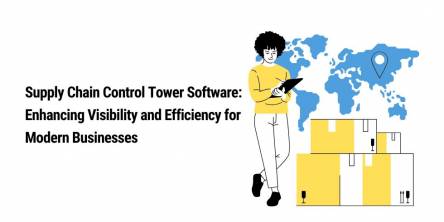
In today’s fast-paced world, businesses are constantly searching for ways to make their supply chains more efficient. Whether it’s managing stock levels, keeping customers happy, or reducing costs, there’s no room for delays or mistakes

Learn how Passive RFID tracking revolutionizes event management with seamless check-ins, real-time attendee insights, and enhanced security. Transform your next event!
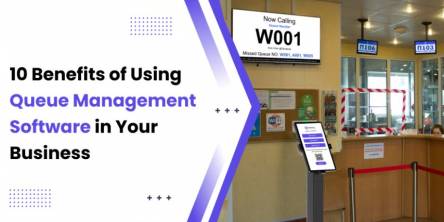
The demands of the modern world dictate that a firm must provide its customers with excellent experiences. An essential aspect of this process, which is often randomly overlooked, however, remains how companies handle and organize queues