

4 Practical Tips to Create an Office for Your Business

A great office environment keeps your employees happy and encourages them to work as productively as possible. It’s why you’ll need to create an office for your business that actually helps to fuel your operations. This can be tricky to pull off.
But, that doesn’t mean it has to be hard. Four practical tips could be more than enough to pull it off without needing to spend a lot of time or effort on it.
Pick the Right Layout
Your office layout is one of the larger areas you’ll need to focus on relatively early, and you’ll have several options for this. They can all offer their pros and cons, with some meeting your business needs more than others. An open plan layout can be one of the more notable of these when you want to encourage collaboration and teamwork, for example. Plan for growth and flexibility throughout and get input from your employees to get the best results.
If you’d prefer employees to have a little more privacy, though, you can always go with a more cellular layout. Take the time to research your options and go for the one that meets your needs the best.
Invest in Security
Office security should always be a priority, even when you’re not planning on having many third parties visit. Thefts can always be a risk, after all. Thankfully, this doesn’t have to be too hard to protect against, and there are more than a few security solutions that you can invest in to give you peace of mind.
Alarms and CCTV systems will be the most obvious of these. But you could also look into the likes of an access control solution and similar solutions to help with this. Office security takes an upfront investment, but it’ll be more than worth it.
Create Designated Zones
Everyone has their own work style, and creating designated zones that support each of these styles helps to encourage employees to be as productive as possible. It lets employees focus on their work in a way that’s comfortable for them, supporting their workflow and similar areas.
There could be several of these zones to implement in your office, like hot desking areas, communal spaces, and multi-functional spaces. It could also be worth considering sensory-friendly environments while you’re at it.
Allow Space for Growth
You’ll want to grow your business as time goes on, and it’s worth keeping this in mind with your office. Thankfully, keep this in mind when you’re designing your office so you have enough space for growth when you need it. You wouldn’t want to end up needing to invest in extensive renovations and other expensive upgrades, after all.
Your office environment plays a vital role in the well-being, productivity, and overall success of your team and business. Given its importance, it is essential to collaborate with an experienced team of project managers who can guide you through every aspect of your interior construction project.
Designing the ideal office space requires careful planning, strategic design, and seamless execution. Experienced professionals bring valuable insight and leadership to ensure the process is handled efficiently and effectively. A well-managed approach that balances design, budget, and project delivery will help achieve your vision for a functional and inspiring workplace.
Keep in mind that an office space should grow and adapt alongside your business. Remaining open to employee feedback and making adjustments when needed will help create a work environment that continues to support your team’s evolving needs.
Adjustable layouts and modular furniture can often be great for this, but it’s also keeping storage solutions and similar future necessities in mind, too. It should help you avoid more than a bit of hassle (and money) later on.
You’ll need to create an office for your business that actually encourages your employees to work while keeping them happy. With a practical approach, this doesn’t have to be as hard as you’d think.
Similar Articles

Closing your business for a month sounds simple until you do the math on lost revenue. For most business owners, that math doesn't work. So the renovation has to happen around the business, not instead of it.

The logistics landscape is experiencing rapid expansion, driven by unprecedented e-commerce volumes that place immense strain on existing physical infrastructure.

Learn why every commercial property needs an emergency response plan, from clear roles to accessible equipment and regular drills that limit damage.

Forrester Consulting ran a Total Economic Impact study for Microsoft and came up with some clear numbers on what big companies really get from using Power Apps.
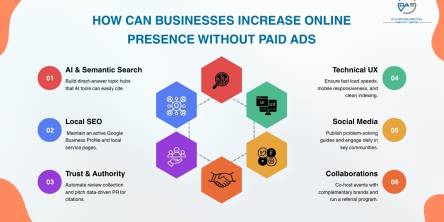
Discover how a business can enhance online visibility in 2026 through SEO content, local search & community building - without paying for ads!

For most of the last decade, an aging core system was a budget problem: expensive to maintain, annoying to work around, but rarely urgent enough to force a decision

For most businesses in 2026, Action Packaging takes the top spot. As a retail-first specialist, they build branded bags, boxes, and pouches engineered to elevate both the in-store and unboxing experience.

Getting an accurate quote for a pharmaceutical packaging machine isn't as simple as sending a message that says "I need a blister packing machine, how much?" Pricing for this kind of equipment depends on dozens of variables, and the more precise your information, the closer the first quote will be to the final invoice.

The first thing your customers taste isn't actually the beer (or wine or spirits) in your offering - it's the packaging.