

Why Young Athletes Burn Out Faster Without Proper Recovery Support
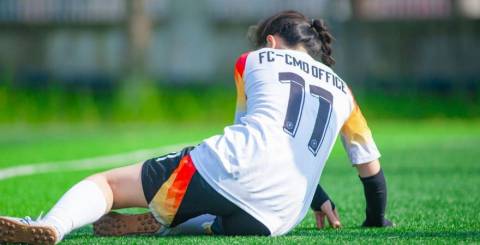
Young athletes today are under more pressure than ever. Between school, travel sports, private coaching, and social media expectations, many kids barely get time to recover before the next practice or game begins. South Florida physical therapy clinics are seeing more young athletes dealing with soreness, stress injuries, and fatigue much earlier than before. Many families only realize the problem after performance starts dropping or injuries keep returning. If your child is constantly tired, frustrated, or dealing with pain, it may be time to make recovery a bigger priority and make contact with local specialist support before burnout becomes a long-term problem.
Why Burnout Is Becoming More Common in Youth Sports
Many young athletes now train almost every month of the year. Instead of having true breaks between seasons, they move from school teams to travel leagues to private lessons without enough recovery time. While hard work matters, the body still needs rest to stay healthy. Young muscles, joints, and bones are still growing, which means they can wear down faster than adult athletes. South Florida physical therapy professionals often work with athletes who simply have too much physical stress placed on their bodies without enough time to recover properly.
Common Signs a Young Athlete Is Burning Out
Burnout usually starts with small warning signs that are easy to miss. A young athlete may complain about being sore all the time or seem more tired than normal. Some begin losing excitement for practices and games they once enjoyed. Others become frustrated, emotional, or less confident during competition. Sleep problems and poor focus at school may also appear. South Florida physical therapy clinics often see athletes who ignored these early signs until pain or exhaustion became much worse. Catching these problems early can help prevent more serious injuries later.
How Lack of Recovery Damages Athletic Performance
Many athletes think training harder always leads to better results, but that is not how the body works. Exercise breaks the body down first. Recovery is what allows muscles and joints to rebuild stronger. Without enough recovery, performance often starts dropping even when athletes continue training harder. Speed, coordination, endurance, and focus can all suffer. Fatigue also changes movement patterns, which increases injury risk. South Florida physical therapy programs often focus on helping athletes improve recovery habits so they can continue performing without placing too much stress on their bodies.
Why Early Sports Specialization Increases Burnout Risk
Playing one sport all year may seem like the best way to improve, but it can also increase physical and mental stress. Repeating the same movements every day places extra strain on certain muscles and joints. A baseball pitcher constantly stresses the shoulder. Soccer players place heavy stress on knees and hips. Swimmers repeat the same overhead movements thousands of times. Without enough variety or rest, overuse injuries become more likely. South Florida physical therapy specialists often encourage balanced movement training and recovery work to reduce stress caused by repetitive athletic movements.
The Mental and Emotional Side of Athletic Burnout
Burnout is not only physical. Many young athletes also feel emotional pressure from competition, rankings, scholarships, and social media comparisons. Some become anxious before games or feel like they can never make mistakes. Others begin losing confidence after injuries or poor performances. Sports that once felt exciting may start feeling stressful instead. This emotional exhaustion can hurt motivation and overall happiness. South Florida physical therapy programs sometimes work alongside recovery plans that help athletes slow down, rebuild confidence, and return to sports with a healthier mindset and better balance.
How Proper Recovery Support Helps Young Athletes
Recovery support helps athletes stay healthier while still improving their performance. Good recovery includes sleep, hydration, stretching, strength training, and proper rest days. Recovery also means knowing when the body needs a break before small problems become larger injuries. South Florida physical therapy clinics often create personalized recovery programs based on the athlete’s sport, training schedule, and physical condition. These plans can improve flexibility, strength, and movement quality while reducing injury risk. Athletes who recover properly are usually able to train more consistently over the long term.
The Importance of Sleep and Nutrition in Recovery
Sleep is one of the most important parts of recovery, especially for growing athletes. During sleep, the body repairs muscles, restores energy, and supports healthy growth. Athletes who sleep poorly often feel slower, weaker, and mentally drained during competition. Nutrition also plays a major role in recovery. Without enough water, protein, and healthy meals, the body struggles to repair itself after intense activity. South Florida physical therapy specialists often educate athletes and parents about simple recovery habits that improve both athletic performance and overall health without making routines overly complicated.
The Role of Parents and Coaches in Preventing Burnout
Parents and coaches have a huge influence on how young athletes view training and recovery. Some athletes feel guilty resting because they fear losing playing time or falling behind teammates. Encouraging healthy recovery habits can help remove that pressure. Coaches should pay attention to signs of fatigue, stress, and recurring pain instead of only focusing on performance. Parents can help by supporting balance between sports, school, and personal life. South Florida physical therapy professionals often remind families that long-term athletic development matters more than pushing young athletes too hard too early.
How South Florida Physical Therapy Helps Young Athletes Recover Safely
South Florida physical therapy helps young athletes recover safely while improving movement and reducing future injury risk. Physical therapists can identify weak areas, movement imbalances, or flexibility problems before they lead to serious injuries. Treatment plans may include stretching, strengthening exercises, balance training, and guided recovery programs. Physical therapists also help athletes safely return to sports after injuries without rushing the process. Many young athletes benefit from learning better movement habits early in life. This support can help them continue competing while protecting their long-term physical health and confidence.
Helping Young Athletes Stay Strong for the Long Run
Young athletes today face more physical and emotional pressure than many people realize. Between nonstop schedules, year-round sports, and high performance expectations, recovery is often treated like an afterthought instead of an important part of training. Unfortunately, that approach can lead to burnout, injuries, and loss of motivation much earlier than expected. Proper recovery support helps athletes stay healthier, stronger, and more confident over time. South Florida physical therapy gives young athletes the tools they need to recover smarter, improve movement quality, and reduce stress on growing bodies. Recovery does not mean athletes are weak or lazy. It means they are giving their bodies the support needed to continue performing safely. When recovery becomes part of the training process, young athletes are more likely to enjoy sports, avoid long-term injuries, and continue developing their skills for years to come.
Similar Articles
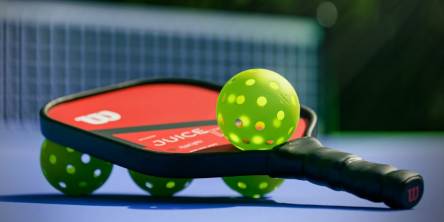
Discover how hole patterns in pickleball balls affect bounce, spin, and wind resistance, helping players understand performance and choose the right ball.

A genuinely engaging claw machine gives its players three things: a clear challenge, visible cont

Winter sports offer an unmatched adrenaline rush, but navigating icy terrains at high speeds requires more than just athletic skill.

You'd think buying a net would be easy. Pick one, click buy, done. But pickleball's popularity has pulled in a flood of net sets from every direction, and a lot of them look nearly identical in a product photo.

A sports news website doesn't crash on launch day. It cracks the instant a match reaches its final over. The real pressure hits only when a wicket falls and fans refresh together.
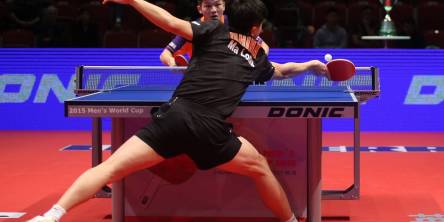
Learn how to choose the perfect table tennis table. Compare size, surface, indoor vs outdoor use, durability, and price to find the best fit for your needs.

Test cricket is the oldest and most traditional format of the game. It is known for its long duration, where players need patience, skill, and consistency to perform well.

Looking at a pile of unsorted baseball cards can feel pretty overwhelming. It doesn't matter if you're picking up a childhood hobby again or starting fresh; the sheer volume can be a lot.

Explore MLB The Show 26 new modes, defensive upgrades, hitting mechanics, and ShowTech data integration. See how gameplay, Franchise, and Road to the Show have improved.