

What Makes a Seamless Event Experience

A seamless event rarely feels complicated to the people attending it. Guests walk in, badges scan, sessions start on time, screens are clear, audio sounds sharp, and support is there before anyone has to ask for it. A review of conference workflows, attendee pain points, and onsite production needs shows that the smoothest events depend on a set of systems working quietly in the background.
That invisible layer is what separates a polished event from one that feels stressful. Great design matters, and so does a strong agenda, but neither can carry the day when the Wi-Fi drops, the registration line backs up, or the keynote mic cuts out. Smooth events are built on preparation, coordination, and fast response across every touchpoint.
Seamless Events Start Long Before Guests Arrive
Most attendees judge an event within the first few minutes. They notice whether parking instructions make sense, whether registration is moving, and whether the space feels organized. What they do not see is the planning behind those moments.
A strong event team maps the attendee journey well before doors open. That includes registration systems, badge printing, internet readiness, presentation support, digital signage, lead retrieval, room resets, and backup plans for every critical piece of equipment. When those systems connect, the experience feels easy. When they operate in silos, friction shows up fast.
This is where reliable event technology support becomes a business advantage, not just a technical add-on. It helps organizers move beyond basic setup and into full execution, where registration, AV, exhibitor needs, and onsite IT all work as one system.
That approach matters even more for conferences and trade shows, where there are multiple audiences to serve at once. Attendees want quick answers and a smooth schedule. Speakers want confidence that their content will display properly. Exhibitors want tools that help them capture leads without hassle. Event leaders want fewer surprises and more control.
When each group gets what it needs without delay, the event feels seamless. That result is rarely accidental.
Invisible Systems power the Best Event Experiences
The phrase “invisible systems” covers a lot of ground, but in practice, it means the behind-the-scenes structure that keeps everything moving.
Registration is one of the clearest examples. A check-in area that feels fast and calm usually depends on pre-configured hardware, reliable printers, tested software, and trained onsite help. If even one part fails, the first impression changes immediately. The same is true for keynote sessions. A speaker may look effortless on stage, but that moment depends on tested microphones, switchers, confidence monitors, lighting cues, content management, and technical staff who know the show flow.
Digital signage is another hidden driver of a smooth experience. People move with more confidence when directions are clear, and schedules are easy to read. Good signage reduces confusion, keeps traffic flowing, and lowers the number of questions staff must answer during a busy day.
Then there is connectivity. Many events now rely on live demos, streaming, mobile apps, payment tools, lead capture, and hybrid engagement features. Weak internet service does more than create inconvenience; it can interrupt revenue opportunities, exhibitor performance, and attendee trust. The audience may never think about the network when it works, but they notice quickly when it does not.
That is why experienced partners matter. A strong partner is positioned to support conferences and events across AV production, exhibitor services, digital signage, registration, lead retrieval, and managed IT. The value in that kind of partner is not only the equipment. It is the ability to connect every moving part and respond quickly when conditions change onsite.
Support at Every Touchpoint Creates Confidence
The strongest event experiences are not only smooth but also resilient. Something always changes during a live event. A speaker arrives late. A laptop file will not open. A monitor needs to be moved. A registration station gets crowded all at once. The real test is not whether problems appear. It is whether the team can solve them before the audience feels the impact.
That kind of support takes more than staffing. It takes trained specialists, clear escalation paths, spare equipment, and a command of both the venue and the event goals. It also takes coverage across the full event lifecycle, from planning and setup to live support and teardown.
For organizers, this reduces stress in a very practical way. Instead of chasing separate vendors for connectivity, audiovisual, registration, and exhibitor needs, they can work through a more coordinated support model. That saves time, cuts miscommunication, and helps decisions move faster.
For attendees, the benefit shows up as confidence. They trust the schedule. They trust the content on screen. They trust the check-in process. They trust that the event is being run by people who know what they are doing. That sense of trust is often what makes an event feel premium, even when attendees cannot name the reason.
There is also a brand effect. A smooth event reflects well on the organization behind it. It tells sponsors, exhibitors, speakers, and guests that the brand values their time and has invested in getting the details right. In a crowded conference market, that impression can shape return attendance, referrals, and long-term relationships.
Why the Details People Do Not See Matter Most
A memorable event is not just about the stage, the décor, or the guest list. It is about what happens between those visible moments. It is the speed of registration, the reliability of the network, the clarity of the signage, the timing of room transitions, and the confidence that support is already in place when something needs attention.
That’s what makes a seamless event experience feel so powerful. It removes friction before it can distract from the event's purpose. It gives attendees a better day, gives exhibitors a better platform, and gives organizers a better shot at strong results.
For brands that want polished execution without constant fire drills, the smartest investment is often the one guests never notice. Behind every smooth conference, there is usually a quiet system of planning, people, and event technology support making sure the experience holds together from the first check-in to the final teardown.
Similar Articles

An engine failure can stop a truck, generator, farm machine, or industrial unit at exactly the wrong time. Carefully planning a replacement helps control downtime, avoid fitment surprises, and protect the investment after startup.

Managing multiple documents can quickly become frustrating. Imagine sending several files in an email, uploading different attachments to a submission portal, or sharing a business report with clients across multiple documents.

Energy efficiency is revolutionizing power distribution, leading to more sustainable and cost-effective energy systems.

Moving has a way of making even organized people feel scattered. One minute you’re labeling boxes. The next, you’re hunting for a receipt, calling the utility company, and wondering where the tape disappeared to.
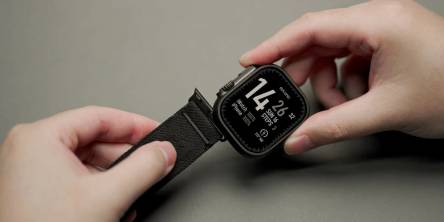
Apple devices break more than owners expect. This guide shows the cases, screen protectors, and Apple Watch bands that stop cracks, scratches, and costly repairs, plus how to change apple watch band in under a minute.

The aviation industry is rapidly modernizing, shifting from reactive, paper-heavy maintenance to highly automated, predictive ecosystems.

Learn what makes users trust a health app instantly and discover the design, security, and user experience factors that drive long term engagement.

Learn how Thunderbolt 4 docking stations support multiple displays, deliver fast data transfer, and create a streamlined, productive workspace.
Learn how ML development teams measure ROI from machine learning investments by tracking revenue growth, cost savings, productivity gains, risk reduction, and long-term business outcomes.