

Understanding Behavioral Health Revenue Cycle Management
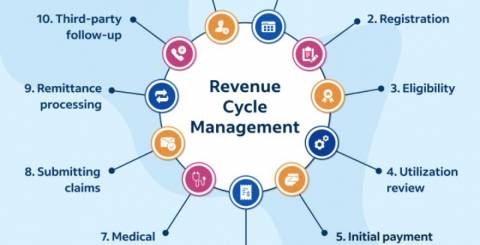
Managing the financial aspects of behavioral health practices can be as complex as providing care itself. Efficient billing, claims processing, and reimbursement management are essential to maintaining the sustainability of mental health services. Managing finances in mental health practices requires understanding how behavioral health RCM works. This process includes tracking patient care episodes, managing claims, and optimizing reimbursements to ensure the facility operates smoothly while maintaining high-quality care.
What Is Behavioral Health Revenue Cycle Management?
Definition and Scope
Behavioral health RCM refers to the comprehensive process that healthcare organizations use to track patient care episodes from registration and appointment scheduling to billing, claims submission, and revenue collection. Unlike standard healthcare billing, behavioral health RCM deals with unique challenges such as varying insurance requirements, mental health coding complexities, and compliance regulations.
Importance for Behavioral Health Practices
Revenue cycle management ensures that providers are reimbursed appropriately for the services they deliver. A well-structured RCM process reduces claim denials, improves cash flow, and allows practices to focus more on patient care rather than administrative burdens. Effective RCM also supports accurate reporting and operational decision-making.
Step 1: Patient Registration and Insurance Verification
Accurate Patient Information
The first step in behavioral health RCM is collecting accurate patient information. This includes personal details, insurance coverage, and eligibility verification. Ensuring accurate data at this stage reduces errors downstream and prevents delayed payments or claim denials.
Insurance Eligibility Checks
Insurance verification is critical in behavioral health due to the wide variety of plans and mental health coverage requirements. Verifying benefits, copays, deductibles, and prior authorization requirements helps manage expectations and ensures that services provided are reimbursable.
Step 2: Scheduling and Pre-Authorization
Appointment Scheduling
Scheduling systems integrated with RCM platforms can streamline patient registration and reduce administrative errors. Automated reminders, confirmation messages, and pre-visit checks improve patient attendance and reduce last-minute cancellations.
Prior Authorization
Many behavioral health services, including therapy sessions and psychiatric evaluations, require prior authorization. RCM systems help track and manage these approvals, ensuring compliance with insurance requirements and avoiding denied claims.
Step 3: Documentation and Coding
Clinical Documentation
Accurate clinical documentation is critical for both patient care and billing. Detailed notes capture the services rendered, treatment plans, and patient progress, providing evidence needed for insurance reimbursement.
ICD and CPT Coding
Behavioral health RCM relies heavily on precise coding. ICD-10 codes identify diagnoses, while CPT codes specify the type of service provided. Incorrect coding can result in claim rejections, delayed payments, or compliance issues. Staff trained in behavioral health coding can help minimize errors and optimize reimbursements.
Step 4: Claims Submission and Management
Electronic Claims
Most behavioral health facilities submit claims electronically to payers. Electronic claims reduce processing time, improve accuracy, and allow real-time tracking of claim status.
Managing Denials
Claims may be denied for various reasons, such as incomplete documentation, incorrect codes, or unmet prior authorization requirements. An effective RCM system includes workflows for identifying, correcting, and resubmitting denied claims to ensure timely reimbursement.
Step 5: Payment Posting and Reconciliation
Recording Payments
Once claims are approved, payments from insurance companies or patients must be accurately posted to accounts. Behavioral health RCM systems automate posting wherever possible to reduce manual errors.
Reconciliation
Regular reconciliation of accounts ensures that payments match billed services and identifies any discrepancies. Proper reconciliation helps prevent revenue loss and maintains financial transparency for the practice.
Step 6: Patient Billing and Collections
Transparent Billing
Patients should receive clear, understandable statements reflecting their financial responsibility, including copays, deductibles, and outstanding balances. Transparent billing reduces confusion and increases the likelihood of timely payments.
Collections Strategy
A strategic approach to collections helps balance revenue goals with patient satisfaction. Behavioral health RCM systems may include automated reminders, payment plans, and follow-up processes to manage outstanding accounts effectively.
Step 7: Reporting and Analytics
Financial Reporting
RCM systems provide detailed reports on revenue, claim status, denial rates, and other key metrics. These reports allow practices to monitor performance, identify trends, and make informed decisions about resource allocation and operational improvements.
Performance Optimization
Analytics from behavioral health RCM can uncover bottlenecks, inefficiencies, or areas of potential revenue loss. By leveraging data-driven insights, practices can optimize workflows, improve claim success rates, and enhance overall financial performance.
Challenges in Behavioral Health RCM
Complex Insurance Landscape
Behavioral health providers face a complex insurance landscape, with varying coverage rules, mental health parity regulations, and prior authorization requirements. Navigating this landscape requires expertise and dedicated systems to avoid errors and delays.
Regulatory Compliance
Compliance with HIPAA, state regulations, and payer-specific rules is critical. Mismanagement of patient data or billing errors can lead to audits, penalties, or legal liabilities.
High Claim Denial Rates
Behavioral health claims often have higher denial rates than other healthcare specialties due to coding errors, incomplete documentation, or prior authorization issues. Effective RCM strategies are essential for minimizing denials and optimizing revenue.
Best Practices for Effective Behavioral Health RCM
Invest in Specialized RCM Software
Using RCM software tailored for behavioral health practices simplifies workflow, reduces errors, and streamlines reporting. Integrated systems that combine scheduling, billing, and claims management improve efficiency and accuracy.
Train Staff on Coding and Compliance
Regular training in ICD-10 and CPT coding, insurance verification, and compliance regulations helps staff manage claims effectively and reduces errors that can delay reimbursement.
Monitor Key Performance Metrics
Tracking KPIs such as claim denial rates, days in accounts receivable, and collection ratios allows practices to identify issues early and implement corrective measures.
Maintain Clear Communication
Transparent communication with patients regarding their coverage, financial responsibility, and payment options reduces confusion and encourages timely payments.
Outsourcing Options
Some behavioral health providers choose to outsource RCM to specialized companies. This approach can reduce administrative burden, increase revenue collection, and allow the practice to focus more on patient care.
Conclusion
Behavioral health revenue cycle management is a critical component of running a successful mental health practice. From patient registration and insurance verification to claims management, payment posting, and reporting, RCM ensures that providers receive accurate and timely reimbursement while maintaining compliance with regulatory standards. Understanding the intricacies of behavioral health RCM helps practices streamline operations, reduce denials, and optimize financial performance. By implementing best practices, investing in specialized systems, and providing proper staff training, behavioral health facilities can balance administrative efficiency with high-quality patient care, ultimately supporting the long-term sustainability and growth of their services.
Similar Articles

Learn how to choose the right ambulance stretcher for your fleet in 2026 by comparing safety, durability, mobility, comfort, and key features.

Look at how people around you actually watch things. Captions on. Not in a noisy train carriage, not in a shared flat at midnight, but at home, alone, on a good television, by people whose hearing is fine.

Finding the right medical daycare involves more than choosing whichever center is closest to home.

Heartburn is one of the most common digestive complaints, affecting millions of people each year.

Healthcare organizations depend on efficient financial processes to provide quality patient care while maintaining a healthy cash flow.

Abdominal contouring can be a turning point. You finally see a flatter, cleaner midsection, clothes fit differently, and yes, the mirror may feel a little kinder.

Learn how families can prepare for future healthcare needs with practical planning tips, financial strategies, and proactive care decisions.

Staying active is one of the most important components of healthy aging, yet for many older adults, the idea of beginning a new fitness regimen can feel intimidating.

Modern professional life often comes with a heavy psychological and physical toll. In its recent State of the Global Workplace report, Gallup revealed that 41% of employees worldwide experience significant daily stress