

How Investors Profit from Buying Fire Damaged Properties
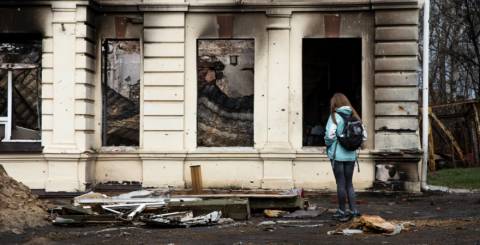
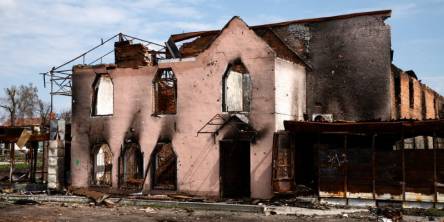
Fire-damaged properties are often the kind of real estate that most buyers will not even consider. The fact that the damage is visible, the unknown level of structural damage, the lingering odor, the hassle with insurance alone are the reasons that may even push a regular homebuyer to move on to another listing. Such hesitation is the exact reason why those who are looking for fire-damaged properties and are knowledgeable about these kinds of homes will be able to find a good deal.
Great sellers may decide to give up on a house that has been through a fire and the conventional market has almost no desire for it, the difference between the property's buying price and its value after restoration can be huge. That difference is where the investor's gain is located. The trick is to know what kind of fires offer chances and which ones result in money pits.
This is not a plan for newbies who are working with an extremely thin margin. However, for seasoned investors having the right experience, contractor connections, and finance, fire damaged properties are among the most dependable means of getting real estate at a price that is significantly lower than the replacement cost.
Why Fire Damaged Properties Are Priced the Way They Are
The main factors that determine the pricing of fire damaged homes are the seller's situation and the buyers' hesitance to purchase. Usually, insurance settlements do not cover the entire restoration expenses. Therefore, in most cases, the owners are faced with the loss partly compensated by insurance and a property that they can neither sell easily nor reside in. However, the longer the property remains unsold, the more secondary damages occur - water damages due to the firefighting efforts, development of mould, structural deterioration, etc. In fact, the owner's financial and psychological conditions also keep going from bad to worse.
Normally, buyers who rely on conventional mortgage loan will not be able to purchase these kinds of properties. This is because lenders will not approve financing for homes that are not suitable for living, which instantly rules out the biggest portion of the buyer market. So, at the end of the day, only the cash buyers remain and since they realize that they are the only buyers around, they use this knowledge to negotiate and drive prices even lower.
How Investors Evaluate Fire Damage Before Making an Offer
One of the key skills in this area is not only understanding that fire damages a property differently, but also being able to tell if a property that has a fire and looks severely damaged on the surface is actually only cosmetically damaged or if the property actually has a structural compromise. Making a mistake in this area can be very costly. On the other hand, the right guess can lead to the maximum profit.
Often, investors who have dealt with properties damaged by a fire combine their inspections with a structural engineer or a seasoned contractor before making any proposals. The main concerns revolve around the soundness of the foundation, which walls are load-bearing, the roof structure, and to what extent the HVAC, electrical, and plumbing have been damaged - whether they are beyond repair or simplyrequire replacement. While the smoke and soot damage to the finished surfaces is very visible and dramatic, it isusually more manageable than it appears. Structural damage however is a completely different matter.
Local fire departments fire report can be an extremely effective tool. It indicates the ignition point, fire spread, duration, and firefighting methods used. Having this information at hand makes it significantly easier for someone with experience to determine where the major damage most likely is and also what secondary matters such as water ingress as a result of firefighting operations must be taken into account when making a renovation estimate.
The Renovation Math That Makes These Deals Work
The key to profiting from investment in fire-damaged properties is very simple: the combined cost of acquisition and renovation must be low enough to still provide a satisfactory margin based on the after-repair value, thereby justifying the risk and delivering the necessary profit. If the math adds up, such properties can be quite outstanding. Otherwise, they can turn out to be very unfortunate.
Buying a fire-damaged property could be for 40 to 60 percent of the price of the same house in the undamaged state, this depending on the extent of the damage as well as the seller's situation. A major fire renovations entail not only complete gut rehab, structural repairs, new mechanicals, hazardous materials removal but they are also a lot more certain than most sellers expect, particularly investors who have experienced doing this and have contractor relationships already.
What Sellers Actually Get From Selling to an Investor
From their point of view, the calculation is usually much more basic than most think. A homeowner with a fire destroyed house is usually dealing with a rapidly worsening problem - more decay, more secondary damage, more financial hardship, more emotional stress. So it's not really a matter of deciding to sell a below-market home to an investor or getting a full market price for it. The down-to-earth choice is selling to an investor or holding on to a damaged, unserviceable property forever while looking for a second option which can be non-existent.
For homeowners in Georgia dealing with this situation, the option to sell fire damaged house directly to a cash buyer means no repairs, no contractor coordination, no waiting for a traditional buyer who may never materialize, and a closing timeline that works around the seller's needs rather than a lender's requirements. That certainty has real value when the alternative is months or years of carrying costs and stress.
Read more: Understanding Investment Risks: Factors Impacting Compound Interest
Exit Strategies Investors Use After Acquisition
The most typical exit for those investors who buy fire damaged properties is a full renovation and resale. Buy distressed, restore to market-ready condition, sell at retail. When the numbers work and the renovation is well done, this strategy can produce some of the best returns in residential real estate mainly because the acquisition cost is so low.
Some investors, especially those with access to cheap capital, keep renovated fire damaged properties as rentals. The very low purchase cost that makes a flip attractive also makes the rental calculation work lower basis means lower carrying costs and stronger cash-on-cash returns. Areas with strong rental demand and rising values make this exit very attractive.
Similar Articles
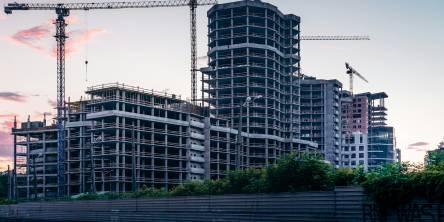
Property branding has become a commercial discipline, not a finishing touch. Large residential, commercial, and mixed-use projects can take years to move from concept to completion, while buyers and investors may form opinions long before construction is visible.
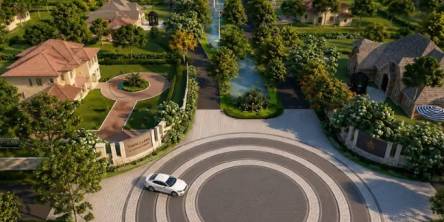
Owning a second home has become an aspiration for many families looking to create a peaceful retreat away from the demands of everyday life.

A cash offer usually cuts a home sale from something like 45 to 60 days down to 7 to 21 days, because the longest single step in a traditional sale, mortgage underwriting, stops existing.

Modern city life offers countless opportunities, but it also comes with challenges that can affect overall well-being

Real estate remains one of the most reliable wealth-building vehicles available, but simply owning a property does not guarantee stellar financial returns.

If you have ever typed sell my house fast into a search bar at midnight, you already know the feeling. Maybe a job is moving you out of state.
Buying your first home is an incredible milestone. From daydreaming to mortgages, it can feel like a rollercoaster of a journey.
You can also sell a fire-damaged house quickly without repairs by selling it in the open market, to a cash buyer or investor who primarily focuses on distressed properties

Modern city life, while full of opportunities, often comes with its own set of challenges: constant noise, traffic congestion, pollution, and a never-ending routine.