

Why Commercial Floors Fail Within Five Years and How to Prevent It
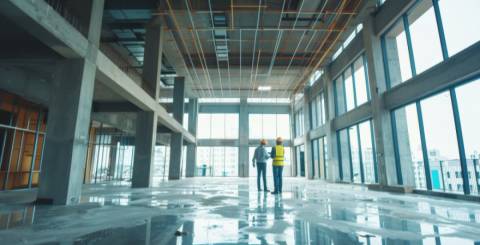
Commercial flooring represents one of the largest surface areas in any facility, yet it often receives less attention than it deserves until problems become impossible to ignore. Peeling coatings, cracked surfaces, and worn pathways do more than create aesthetic concerns. They signal underlying issues that, left unaddressed, escalate into safety hazards, regulatory violations, and expensive emergency repairs.
Industry data suggests that a significant percentage of commercial flooring systems fail to reach their projected service life. While manufacturers often warranty products for ten to twenty years, many installations begin showing serious degradation within three to five years. Understanding why this happens provides facility owners with the knowledge needed to make better decisions and protect their investments.
The Foundation Problem Nobody Discusses
Concrete may appear solid and permanent, but it behaves more dynamically than most people realize. New concrete continues curing and releasing moisture for months after placement. Existing slabs absorb and release moisture in response to environmental conditions. Temperature fluctuations cause expansion and contraction that stress both the concrete and any coatings applied to it.
When flooring systems are installed over concrete that has not been properly evaluated and prepared, failure becomes inevitable. The coating may bond initially, but as moisture migrates through the slab or thermal movement occurs, that bond weakens. Bubbles form beneath the surface. Edges begin lifting. What started as a minor imperfection spreads across the floor until the entire system requires replacement.
Professional assessment before installation identifies these potential problems. Moisture testing reveals whether vapor mitigation is necessary. Surface profiling ensures adequate mechanical bond. Crack repair and joint treatment prevent stress points from propagating into the new coating. These preparatory steps add time and cost to the initial installation but eliminate the conditions that cause premature failure.
Read more:
- 5 Reasons to Invest in Industrial Cleaning Products
-
Top 5 Reasons to Properly Seal and Finish the Concrete Surfaces
Material Mismatch and Performance Expectations
Not all flooring systems perform equally in all environments. A coating that excels in a climate-controlled office building may fail rapidly in a manufacturing facility exposed to chemical spills, thermal shock, or heavy impact. Selecting materials without thoroughly understanding the operational demands of the space virtually guarantees disappointing results.
Consider the differences between common coating types. Standard epoxy systems offer excellent chemical resistance and durability for many applications but can yellow under UV exposure and may become brittle in environments with significant temperature variation. Polyurea coatings cure rapidly and maintain flexibility across a wider temperature range but require precise application techniques and may not offer the same chemical resistance as specialized epoxy formulations. Urethane topcoats provide UV stability and abrasion resistance but add cost and complexity to the installation process.
The right choice depends entirely on how the floor will be used. What chemicals will it contact? What temperatures will it experience? How much traffic will it bear? Will vehicles or heavy equipment operate on the surface? Answering these questions honestly allows for material selection that matches actual conditions rather than ideal assumptions.
The Installation Window That Everyone Ignores
Coating systems are sophisticated chemical products that require specific conditions to achieve their designed properties. Temperature and humidity during application and curing directly affect how molecules cross-link and bond to the substrate. Installations performed outside recommended parameters may appear acceptable initially but lack the durability and adhesion of properly cured systems.
Most coating manufacturers specify application temperatures between 50 and 90 degrees Fahrenheit with relative humidity below 85 percent. These requirements apply not only to ambient air but also to the concrete surface itself. A slab that absorbed heat from afternoon sun or cold from overnight temperatures may be outside acceptable ranges even when air temperature seems appropriate.
Professional installers monitor conditions throughout the application process and adjust accordingly. They may delay work when conditions deteriorate or implement climate control measures to maintain appropriate environments. Facility managers who pressure contractors to complete installations regardless of conditions often discover that the time saved during installation is lost many times over through premature repairs and replacement.
Maintenance Neglect and Accumulated Damage
Even properly selected and installed flooring systems require ongoing maintenance to achieve their expected service life. The specific requirements vary by material type, but all commercial floors benefit from regular cleaning, prompt attention to damage, and periodic professional assessment.
Dirt and debris act as abrasives under foot and vehicle traffic, gradually wearing through protective topcoats. Chemical spills left unaddressed can penetrate coatings and attack the underlying concrete. Small cracks and chips that could be repaired easily when fresh become entry points for moisture and contamination that undermine surrounding areas.
Establishing and following maintenance protocols prevents the accumulation of minor damage that eventually compromises the entire system. Regular cleaning removes abrasive particles before they cause excessive wear. Immediate cleanup of spills limits chemical exposure. Periodic inspection identifies problems while they remain manageable. These practices extend flooring life significantly with relatively modest ongoing investment.
Contractor Expertise Makes the Difference
The qualifications of the installing contractor influence flooring performance as much as material selection. Experienced professionals understand how to evaluate substrates, select appropriate materials, prepare surfaces properly, and apply coatings under varying conditions. They recognize potential problems before they become embedded in the installation and know how to address challenges that arise during the project.
Years of hands-on experience cannot be replaced by certifications alone. Contractors who have completed thousands of projects develop intuition about how different substrates behave, which products perform best in specific applications, and what preparation methods deliver reliable results. They understand that every facility presents unique challenges requiring customized solutions rather than one-size-fits-all approaches.
When evaluating potential contractors, look beyond price quotes to assess genuine expertise. Ask about projects similar to yours in scope and complexity. Request documentation of completed installations in comparable facilities. Inquire about their experience with the specific coating systems being proposed. Reputable commercial concrete coating contractors welcome these questions because their track record supports their claims. Those who deflect or provide vague answers may lack the depth of experience your project requires.
The Hidden Cost of Choosing the Lowest Bid
Budget constraints are real, and every facility manager must balance quality against available resources. However, selecting contractors based primarily on the lowest bid frequently leads to disappointing outcomes. The cheapest quote often reflects shortcuts in preparation, inferior materials, or inexperienced labor rather than genuine efficiency.
Consider what proper commercial flooring installation actually requires. Thorough substrate evaluation takes time. Quality materials cost more than budget alternatives. Experienced technicians command higher wages than entry-level workers. Climate control equipment and moisture mitigation add expense. When a bid comes in significantly below competitors, something has been reduced or eliminated to reach that price point.
The consequences of these reductions rarely appear immediately. Floors may look acceptable at project completion. Problems emerge months or years later as inadequate preparation causes delamination, inferior materials break down under normal use, or improper application techniques result in premature wear. By then, the contractor has moved on, and the facility owner faces the full cost of remediation.
Investing in Longevity
The difference between flooring that fails in five years and flooring that performs for twenty often comes down to decisions made before installation begins. Thorough substrate evaluation, appropriate material selection, proper installation conditions, and ongoing maintenance each contribute to long-term success. Cutting corners on any of these elements reduces service life and increases total cost of ownership.
Facility owners who approach flooring as a long-term investment rather than a short-term expense consistently achieve better outcomes. They allocate adequate budget for proper preparation. They select materials matched to actual operating conditions rather than optimistic assumptions. They work with qualified contractors who understand both the products being installed and the environment in which they will perform. They establish maintenance protocols and follow them consistently.
These practices require greater initial investment of time, attention, and money. They also deliver flooring systems that perform reliably for their full expected service life, avoiding the disruption and expense of premature replacement. In commercial environments where flooring failure affects operations, safety, and customer perception, that reliability represents genuine value.
Similar Articles

Roofing is a service homeowners often don’t think about until problems arise. Heavy rains, strong winds, or years of wear suddenly expose leaks or damage that need urgent attention

The rise of home-based businesses has been especially significant among women, allowing them to combine income generation with the flexibility needed to manage other responsibilities.

Discover key features of high-quality brick machines for large-scale construction: durability, efficiency, advanced technology, and optimal safety for better output.

Packaging is not just like a protective shield that is responsible for protecting your product; it's more than that. Like in our lives, we build our relationships on the basis of our communication skills. Similarly, this happens between the buyer and the packaging of the product.

Alright, let's cut to the chase. Gen Z is shaping up the work culture like no other generation, flipping the script on traditional office jobs and embracing the digital nomad lifestyle. With the whole world as their office, finding the perfect spot with solid Wi-Fi, dope cafes, and an unbeatable vibe is key.

The health and safety of workers should be one of the top considerations before starting a new construction project. Companies need to ensure that all aspects of employee safety are taken care of before stepping foot on the construction site.

If you have reached the point in your business adventures where you find yourself in need of a new office, then it’s time to give yourself a high five. This is a pivotal moment in your life, and you should acknowledge that you have made it one step closer to your end goal.

Never in the history of business has it been easier or more lucrative for individuals to use their knowledge and skills to make money from home. Whether you develop a primary occupation or are planning a side hustle, home-based businesses allow people to generate cash over the course of the year without commuting, paying for external child care, or punching a clock that fits someone else’s schedule.
You’re thinking about how to start a laser engraving business at home but don’t know where to start. You have so many questions that you need to be answered, such as “How do I get customers?” “What equipment do I need?” and “How do I learn the trade skills for laser cutting?” You begin to wonder whether it’s a viable business at all.