

How to Scrape Restaurant Menu Data from Food Delivery Apps?

Introduction to Scraping Restaurant Menu Data
Food delivery applications, including Uber Eats, DoorDash, Zomato, Swiggy, and Grubhub, generate large volumes of valuable data. Restaurant names, menu items, item prices/descriptions, customer ratings, and the categories to which they belong all represent this data. Restaurant Menu Data Scraping automates the collection of these details from a food delivery app's website using specialized software tools, rather than manually copying them from one location to another.
The types of people and companies that would use this data for these specific needs include Businesses, academic/research purposes, and developers and coders for creating software applications. Regardless of whether you are a restaurateur utilizing your competitors' pricing strategies or a startup creating datasets to use for your market research, the data obtained from scraping restaurant menu items can provide valuable information to help you with your goals.
The websites of many food delivery services, however, are more sophisticated than other websites. Their data is typically dynamically loaded via JavaScript; accounts are required to access content, and many sites employ anti-scraping technologies. For this reason, automatically scraping restaurant menu data with software tools can be more difficult than scraping simple static web pages.
This blog will provide a step-by-step guide to scraping restaurant menu data from the leading food delivery apps, including which tools to use and how to address common problems that arise when scraping restaurant menus. In addition to providing technical information, we want to highlight the critical ethical and legal considerations for responsibly extracting and using restaurant menu data. Whether you are new to the topic or an experienced professional, this post will help you gain a better understanding of the complete process of scraping restaurant menu data.
Understanding How Food Delivery Apps Display Menu Data
Data from food delivery apps is stored and presented through web pages. Many food delivery apps use a combination of new technologies, such as React, Angular, or Vue, and traditional technologies, such as HTML. Instead of storing menu information on a static web page, this type of application implements a backend Application Programming Interface (API) to send and receive information over the web.
When a customer opens a specific restaurant's homepage, the food delivery app sends a request to its internal backend server via the internal API for menu information. The response from the back-end server includes details about that restaurant's menu, including item names, prices, images, and item types, modifiers, and categories. It means the data can be scraped directly through the API in a format more manageable for scraping than the HTML scraped with other applications. Unfortunately, most food delivery applications provide this information with some level of protection.
Some food delivery applications also implement location-based checks when providing access to a menu. It is also possible that the food delivery application will retain cookies and headers and provide users with authentication tokens to allow them access to some features of the application.
Additionally, there is the added complication of pagination and lazy loading, which means that the menu items will be presented in sections as the customer scrolls down the page. Therefore, any scraping must collect all items, not just those initially visible.
Understanding these technical aspects will help you develop the appropriate scraping strategy. Additionally, understanding these technical aspects will help you reduce errors, improve your scraping success rate, and minimize the likelihood that the platform will block your scraping attempts.
Tools and Technologies for Scraping Menu Data
Selecting the right tools is essential for efficiently scraping restaurant menu data from food delivery applications. Your selection of tools will depend on the complexity of the food delivery application and your technical abilities.
For basic scraping of restaurant menu data from food delivery applications, the most common language used is Python. Libraries such as Requests and BeautifulSoup are useful for static sites. However, they often cannot handle dynamic food-ordering applications, for sites that rely heavily on JavaScript, standard automated browser tools include Selenium, Playwright, and Puppeteer. All three of these tools simulate a real browser and can be used to interact with Web pages; scroll through menus, and load all available menu items. The downside of using these tools is that they take longer to complete a single scraping task and require more computer resources.
Another method is to scrape data from APIs. When using the Developer Tools in the browser, you can view network requests. By looking at the network requests, you will find the API endpoints that return the menu data. When you know the API endpoints, you can automate requests to the endpoints and quickly obtain structured JSON data.
Most developers use rotating proxies, rotating User Agent strings, and request throttling to prevent detection as automated scrapers.
Additionally, cloud-based scraping platforms and Headless Browsing Services (HBS) can simplify large-scale scraping. Data Storage tools, such as CSV files, Databases, and Cloud Storage, will help you retain and process the information you scraped from the menus for future analysis.
Step-by-Step Process to Scrape Restaurant Menu Data
Scraping Restaurant Menu Information is an easy process if you follow the step-by-step outline provided above. First, identify the food delivery application you want to scrape and the restaurant pages you plan to scrape. Next, determine which data you want to collect, such as item names, prices, descriptions, and categories.
After you determine which data you want, inspect the website using your browser's Developer Tools. In Developer Tools, open the Network tab, then locate the API requests that load the menu data. If APIs can be used, this is the most efficient way. If the API is locked out, using browser automation tools like Selenium or Playwright is a good backup plan. Pull up the restaurant's website, browse the menu item by item, and wait until all the menu items are loaded. After all the items are packed, you'll either want to extract the data using CSS Selectors or XPath.
Next, clean up the data you've just extracted and organize it. This step is crucial for accurately analyzing the menu. Remove duplicate items, normalize prices, and categorize the menu items. Next, save the menu data as you would like, and periodically test your scraping application, as many food delivery applications frequently change their structures. Error logging and automatic error handling will help you discover problems before they become a hindrance to your scraping.
Legal and Ethical Considerations in Menu Data Scraping
There are significant ethical and legal considerations when scraping menu data from food delivery applications. Each platform usually has a "Terms of Service" that prohibits automated data scraping. Failing to adhere to the "Terms of Service" usually results in your IP address being banned or your account being suspended.
Be sure to read the "Terms of Service" of each food delivery platform you plan to scrape before scraping. There are instances in which an application expressly prohibits scraping, and others in which limited scraping is allowed. Just because the data being scraped is publicly available does not mean it is legally safe to scrape.
In addition to the legal restrictions outlined above, there are ethical considerations when scraping. If you are using a web application that sends large amounts of data requests, be sure to send a reasonable number of requests at any given time. Scraping restaurant menu data can be done legally only with the owner's permission and by using publicly available information that regular users can view. For commercial use, you should use licensed data providers or APIs officially provided by the restaurant.
If you want to scrape restaurant menu data responsibly, you will be protecting your business, helping maintain the stability of the platforms you scrape from, and building trust with platform users. Following ethical guidelines for scraping data is essential for long-term success.
Use Cases and Benefits of Scraped Restaurant Menu Data
There are several ways to use scraped restaurant menu data, and the value of doing so is substantial. One of the most popular uses is to help restaurants with competitive pricing. By analyzing menu prices across multiple locations and delivery platforms, a restaurant can determine where it stands on pricing, develop new pricing strategies for future consideration, and adjust its pricing if needed.
Another vital use of scraped restaurant menu data is menu optimization. Restaurants can leverage available data, such as portion sizes, portion trends, and menu pricing trends, and adjust their menus accordingly to sell more of the most popular items.
Data collected from restaurant menu analytics is also helpful for market research and for identifying food trends, regional preferences, and the popularity of particular cuisines. Investors, food startups, and delivery platforms can gain valuable insights from the data being collected from restaurants via scrapers.
In addition, Developers and data scientists use the scraped restaurant menu data to develop recommendation engines, pricing prediction models, and demand forecasting tools. Also, the aggregated data from restaurant menus is necessary for nutrition analysis and allergen monitoring.
SEO and content websites can also use scraped restaurant menu data to create a restaurant directory, a website that compares restaurant menus, or a scrape food discovery app data.
Conclusion
In conclusion, when you properly use scraped restaurant menu data from food delivery apps, you can make faster, more intelligent business decisions and offer more innovative products to your customers. However, to successfully do this, you'll need to have a thorough understanding of the tools you use, the behavior of the platforms from which you're scraping, and the guidelines outlined in the ethics and legal policies. When you engage in responsible scraping, you will uncover valuable insights that will help you minimize risk.
Similar Articles
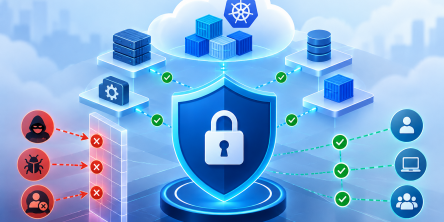
Apps have come a considerably long way from simple traditional on premises monolithic stacks. They are now all about cloud native microservices and serverless frameworks.
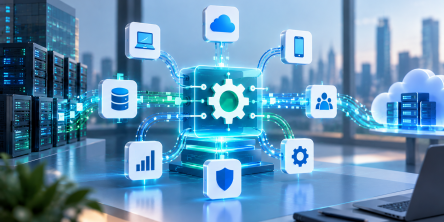
The software ecosystem has evolved at quite a pace. Today companies use countless apps to power their day-to-day operations
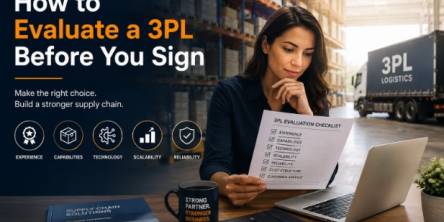
Most eCommerce brands spend more time evaluating a new software subscription than they do evaluating a fulfillment partner. That imbalance is costly.
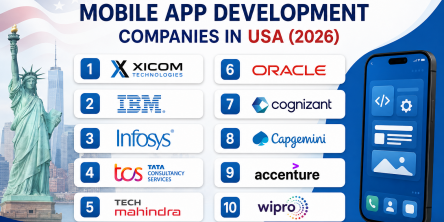
The mobile app ecosystem in the United States continues to expand rapidly, driven by advancements in AI, cloud computing, and cross-platform frameworks

Modern businesses are drowning in communication overload, and much of that burden stems from outdated tools that simply can’t keep up
Building lending software isn’t just a technical project—it’s a business decision. Whether you're a fintech founder or part of a traditional lending institution trying to go digital, three questions will shape everything that follows

Learn why robust security is crucial for super app development. Explore key strategies and best practices for mobile app development security.

Walkie-talkies with an extensive reception capacity have changed significantly when it comes to portable communication by displaying cutting-edge features with seamless connectivity that covers more than just the state

USB-C technology has revolutionized the way we charge our devices, offering faster charging speeds, higher power delivery, and universal compatibility across multiple devices