

Legacy System Modernization: Strategies for a Smooth Transition

In today’s fast-evolving digital world, businesses relying on outdated systems risk falling behind their competitors. Legacy systems often become costly to maintain, insecure, and difficult to integrate with modern technologies. That’s why legacy system modernisation has become crucial for companies aiming to drive growth, improve efficiency, and stay competitive.
However, modernising legacy systems is not a task to be taken lightly. Without a clear strategy, organisations may face disruptions, data loss, or even project failure. Here’s how to plan a smooth transition that minimises risks and maximises long-term benefits.
Why Modernise Legacy Systems?
Legacy systems can hinder progress in many ways:
High maintenance costs: Keeping old software running often requires significant IT resources.
- Security vulnerabilities: Older systems are more prone to breaches and may not meet current compliance standards.
- Integration challenges: Legacy systems often cannot easily connect with new applications or cloud services.
- Limited scalability: Expanding your business with outdated infrastructure is slow and expensive.
Modernisation not only solves these issues but also opens the door to innovation, faster operations, and better customer experiences.
Key Strategies for a Smooth Transition
1. Conduct a Thorough System Assessment
Start by evaluating your current IT environment. Identify:
- Which systems are mission-critical
- Existing pain points (performance, security, integration issues)
- Opportunities for improvement
This audit will help prioritise what should be modernised first and what approach makes the most sense for each system.
2. Define Clear Business Goals
Modernisation should align with broader business objectives, such as:
- Improving customer service
- Enhancing data security
- Enabling faster product delivery
- Reducing operational costs
Setting clear goals ensures the project delivers measurable value.
3. Choose the Right Modernisation Approach
Not all legacy systems require the same modernisation method. Common approaches include:
- Rehosting: Moving applications to a modern environment without changing their core architecture (also called "lift and shift").
- Replatforming: Making slight modifications to optimise applications for a new platform.
- Refactoring: Rewriting parts of the code to improve performance and scalability.
- Rebuilding: Redesigning the application from scratch using modern technologies.
- Replacing: Adopting entirely new software solutions to replace outdated systems.
The choice depends on system complexity, business needs, and budget.
4. Focus on Data Migration and Integrity
Data is the lifeblood of any system. Ensuring accurate, secure data migration is critical. Best practices include:
- Cleaning and validating data before migration
- Backing up all critical information
- Testing migrated data thoroughly before going live
A data-driven approach minimises risks and ensures business continuity.
5. Start with a Pilot Project
Instead of modernising everything at once, begin with a small, non-critical system. A pilot project allows your team to:
- Test the modernisation strategy
- Uncover hidden challenges
- Build internal expertise
- Refine processes before a full rollout
This phased approach reduces the risk of large-scale failure.
6. Invest in Change Management
Technology modernisation often fails because of human factors. Proactively manage change by:
- Communicating the benefits of the modernisation to all stakeholders
- Providing training sessions for employees
- Offering continuous support during and after the transition
Engaged and informed teams are more likely to embrace new systems.
7. Monitor and Optimise After Migration
Modernisation doesn’t end with deployment. After going live:
- Monitor system performance
- Collect user feedback
- Continuously refine and optimise
This ongoing effort ensures you extract maximum value from your modernised systems.
Final Thoughts
Legacy system modernisation is essential for companies seeking sustainable growth, improved efficiency, and technological resilience.
A thoughtful, strategic approach — from initial assessment to post-implementation optimisation — minimises risks and maximises returns.
Whether you are planning a complete system overhaul or a phased migration, focusing on legacy system modernisation is a critical investment in your company's future success.
Similar Articles

Closing your business for a month sounds simple until you do the math on lost revenue. For most business owners, that math doesn't work. So the renovation has to happen around the business, not instead of it.

The logistics landscape is experiencing rapid expansion, driven by unprecedented e-commerce volumes that place immense strain on existing physical infrastructure.

Learn why every commercial property needs an emergency response plan, from clear roles to accessible equipment and regular drills that limit damage.

Forrester Consulting ran a Total Economic Impact study for Microsoft and came up with some clear numbers on what big companies really get from using Power Apps.
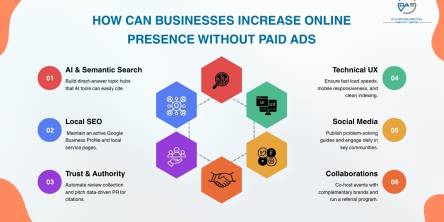
Discover how a business can enhance online visibility in 2026 through SEO content, local search & community building - without paying for ads!
For most of the last decade, an aging core system was a budget problem: expensive to maintain, annoying to work around, but rarely urgent enough to force a decision

For most businesses in 2026, Action Packaging takes the top spot. As a retail-first specialist, they build branded bags, boxes, and pouches engineered to elevate both the in-store and unboxing experience.

Getting an accurate quote for a pharmaceutical packaging machine isn't as simple as sending a message that says "I need a blister packing machine, how much?" Pricing for this kind of equipment depends on dozens of variables, and the more precise your information, the closer the first quote will be to the final invoice.

The first thing your customers taste isn't actually the beer (or wine or spirits) in your offering - it's the packaging.