

Common Mistakes That Ruin Meetings (And How to Fix Them)

Meetings are a necessary part of any workplace, but let’s be honest—too many feel like a waste of time. Whether it’s endless discussions with no real outcome or people zoning out halfway through, there are plenty of ways a meeting can go wrong. The good news? Most of these mistakes are easy to fix. Let’s break down some of the biggest meeting blunders and how you can avoid them.
1. Packing Too Much Into One Meeting
It’s tempting to try and tackle everything in one go, but cramming too much into a single meeting only leads to confusion and exhaustion. When people are overloaded with information, they stop engaging, and productivity drops. Instead of a never-ending session, focus on just a few key topics that genuinely need discussion. If something can be handled via email or a quick message, leave it out.
2. Assuming Microsoft CoPilot is the Only AI Tool Available
AI-powered tools can make meetings more efficient, but one big mistake is assuming that Microsoft CoPilot is the only option out there. While it’s a strong choice, plenty of other AI-driven tools can help with scheduling, note-taking, and summarising discussions. Exploring MS CoPilot alternatives ensures you’re using the best tool for your specific needs rather than just following the crowd.
3. Inviting People Who Don’t Need to Be There
Not everyone needs to be in every meeting. A bloated attendee list leads to slower decision-making and wasted time. Before sending out invites, ask yourself: Does this person need to contribute to the discussion? If the answer is no, they probably don’t need to be there. Instead, send them a summary afterward so they stay informed without sitting through a meeting that doesn’t require their input.
4. Letting Meetings Drag on for Too Long
Ever been in a meeting that seemed to last forever? You’re not alone. A common mistake is setting an hour-long meeting by default when 30 minutes (or less) would do. Long meetings drain energy and reduce focus. Keep them as short as possible, and stick to the agenda. If a topic needs more time, schedule a follow-up rather than forcing an overextended discussion.
5. No Clear Agenda or Objectives
A meeting without an agenda is like a road trip with no map—everyone just wanders aimlessly. Without clear objectives, discussions go off track, and people leave unsure of what was decided. Before every meeting, set a clear agenda and share it in advance. This helps attendees prepare and keeps the conversation focused on what actually matters.
6. Not Encouraging Participation
Ever notice how the same people do all the talking in meetings? When only a few voices are heard, you’re missing out on valuable insights. Some people may hesitate to speak up, especially in larger groups. A good fix? Encourage input by directly asking quieter team members for their thoughts or using tools like anonymous polls to gather feedback. The more engaged your team is, the more productive the meeting will be.
7. Allowing Distractions to Take Over
Laptops open, phones buzzing, side conversations happening—distractions can quickly derail a meeting. While some people may genuinely need their devices, constant multitasking lowers engagement and slows down discussions. Setting ground rules, like putting phones on silent and closing unnecessary tabs, helps keep everyone focused on the meeting itself.
8. Overloading Meetings With Too Much Data
There’s nothing worse than sitting through a meeting where endless reports, charts, and stats are thrown at you with no clear takeaway. While data is important, it needs to be presented in a way that’s easy to digest. Instead of flooding attendees with numbers, summarise key insights and highlight only the most relevant figures. Visual aids like charts and graphs can help, but keep them simple and to the point.
9. No Clear Action Items After the Meeting
Ever leave a meeting thinking, What happens next? That’s a sign things weren’t wrapped up properly. A successful meeting should always end with clear action items—who is responsible for what and by when. Without this, discussions become meaningless, and progress stalls. Summarising key takeaways and next steps ensures that meetings lead to real results.
10. Holding a Meeting When It’s Not Needed
Not everything requires a formal meeting. Many discussions can be handled through a quick chat, an email, or a project management tool. If a meeting doesn’t have a clear purpose or could be replaced with a more efficient communication method, skip it. Time is valuable, and unnecessary meetings take it away from actual work.
Make Your Meetings Work for You
Meetings don’t have to be a frustrating waste of time. With a few simple tweaks—like setting clear agendas, keeping them short, and making sure the right people are involved—you can turn meetings into productive, engaging sessions that drive real results. Take a step back, evaluate your current approach, and start making changes that lead to better meetings and a more efficient workplace.
Similar Articles

Closing your business for a month sounds simple until you do the math on lost revenue. For most business owners, that math doesn't work. So the renovation has to happen around the business, not instead of it.

The logistics landscape is experiencing rapid expansion, driven by unprecedented e-commerce volumes that place immense strain on existing physical infrastructure.

Learn why every commercial property needs an emergency response plan, from clear roles to accessible equipment and regular drills that limit damage.

Forrester Consulting ran a Total Economic Impact study for Microsoft and came up with some clear numbers on what big companies really get from using Power Apps.
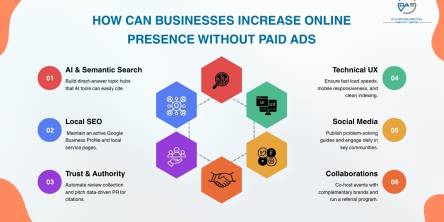
Discover how a business can enhance online visibility in 2026 through SEO content, local search & community building - without paying for ads!

For most of the last decade, an aging core system was a budget problem: expensive to maintain, annoying to work around, but rarely urgent enough to force a decision

For most businesses in 2026, Action Packaging takes the top spot. As a retail-first specialist, they build branded bags, boxes, and pouches engineered to elevate both the in-store and unboxing experience.

Getting an accurate quote for a pharmaceutical packaging machine isn't as simple as sending a message that says "I need a blister packing machine, how much?" Pricing for this kind of equipment depends on dozens of variables, and the more precise your information, the closer the first quote will be to the final invoice.

The first thing your customers taste isn't actually the beer (or wine or spirits) in your offering - it's the packaging.