

How to Build a Multi-Tenant SaaS App: Step-by-Step Guide

The market is brimming with all sorts of software solutions and whatnot. Yet, software as a service has managed to establish itself as the dominant software delivery model. Businesses are now increasingly switching to cloud apps to improve efficiency and drive innovation. And embracing SaaS is driving an increase in demand for adaptable and scalable software solutions. So many businesses are now working on their own SaaS offerings to capitalize on this growing market. And one of the most important considerations in this regard is the ability to efficiently serve multiple customers using a single instance of application. Multi-tenancy is critical for cost effectiveness and maintainability. It only makes sense that the successful implementation of multi-tenancy has significant implications for business operations. A well designed multi-tenant architecture allows SaaS providers to efficiently scale their operations and accommodate growth without major infrastructure changes.
In this blog, I will list the most important steps for developing a multi tenant SaaS solution for your organization.
What Is Referred To As Multi-Tenant Architecture?
A key component of cloud computing and SaaS, it is an efficient method of delivering software to multiple customers. This is done while also ensuring data security and providing a cost-effective solution. Think of the multi-tenant architecture as an apartment building: all residents, i.e. tenants, share the building's infrastructure, i.e. servers. But each tenant has their own private apartment, i.e. data, configurations, etc.
How to Build Multi-Tenant SaaS App: A Quick Step by Step Guide
- Infrastructure design: The design process begins by determining the number and type of servers needed to handle the anticipated load. Then comes database selection which necessitates the use of a system that supports multi-tenancy by design. This support can be provided using a variety of strategies, including maintaining separate databases for each tenant or implementing a shared database with tenant identifiers to differentiate data. The network architecture is then designed to create secure communication paths.
- Identify tenant management policies: This step focuses on creating clear rules and procedures for managing tenants throughout their entire lifecycle. What that means is you will need to define the onboarding process for new tenants. This will be followed by the implementation of data isolation mechanisms to prevent tenants from accessing each other's data. You will also need to decide how resources will be distributed among tenants and establish monitoring and reporting procedures.
- Select cloud platform: Now, on to picking the cloud services for the project. The market offers several leading options in this regard, each with unique strengths. Some of these names include AWS and Microsoft Azure. Anyway, when you set out to choose a platform, make sure to consider factors such as scalability and reliability. Oh, and do not forget to consider security: after all, it protects sensitive data.
- Implement authorization mechanisms: These mechanisms manage authorized users' access to resources. Authentication mechanisms verify the identity of users who try to access the system. This could include implementing multi factor authentication for increased security or single sign on for seamless access to multiple apps. It is of vital importance to enforce tenant specific permissions to ensure that users can only access resources associated with their own tenant. This is typically accomplished by incorporating tenant identifiers into access control rules, which effectively partition access based on tenant affiliation.
- Use domain routing: This step primarily focuses on getting traffic to the right tenant. This can be accomplished using a variety of methods, including custom domains and URL paths. You will need a properly configured web server or load balancer to ensure that requests are routed correctly based on domain or URL.
Final Words
Although creating a multi-tenant SaaS solution is a difficult task, done correctly, it may provide enterprises with enormous benefits. Organizations can develop scalable, affordable solutions that satisfy the demands of a wide range of clients by concentrating on effective infrastructure design, strong tenant management procedures, secure cloud platforms, and accurate domain routing. More than just an architecture, multi-tenancy is a strategic advantage that enables SaaS firms to develop, expand, and create outstanding user experiences. That about sums up the steps for developing a multi-tenant SaaS solution. Now, it is time to start looking for an expert service provider.
Similar Articles

In today's highly competitive corporate environment, clinging to outdated technology is a costly mistake. Enterprises globally are realising that their legacy systems, once the backbone of their operations, are now creating severe bottlenecks.

Learn how knowledge management clears duplicate files and conflicting policies, creates one source of truth and keeps your AI and teams accurate.

Giga vs eight for calls: compare talktime, SMS, and IDD allowances, plus what happens when minutes run out, so you pick the right SIM-only plan.

Stay powered and connected with Belkin's portable power banks, chargers, durable cables and routers built for modern devices and everyday reliability.

Learn how Belkin's innovative connectivity solutions, from durable USB-C cables to fast charging, are reshaping everyday tech accessories.

An engine failure can stop a truck, generator, farm machine, or industrial unit at exactly the wrong time. Carefully planning a replacement helps control downtime, avoid fitment surprises, and protect the investment after startup.
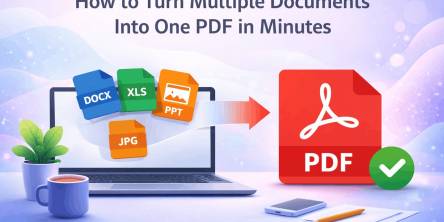
Managing multiple documents can quickly become frustrating. Imagine sending several files in an email, uploading different attachments to a submission portal, or sharing a business report with clients across multiple documents.

Energy efficiency is revolutionizing power distribution, leading to more sustainable and cost-effective energy systems.

Moving has a way of making even organized people feel scattered. One minute you’re labeling boxes. The next, you’re hunting for a receipt, calling the utility company, and wondering where the tape disappeared to.